

Easter Tsoureki: How to Make the Perfect Greek Sweet Bread
Tsoureki is a soft, aromatic Greek Easter braided bread with a slightly sweet taste. Infused with spices like mahlepi and mastiha, this bread is a must for Easter and other celebrations!
Join the My Cretan Recipe Facebook group.
Tsoureki is a traditional Greek sweet bread especially associated with Easter celebrations. Its soft, fluffy texture, sweet takes, and aromatic essence remind me of French brioche bread.
Tsoureki is a favorite among those who appreciate Mediterranean baking, so let’s craft it at home to experience a cherished Greek Easter tradition firsthand!
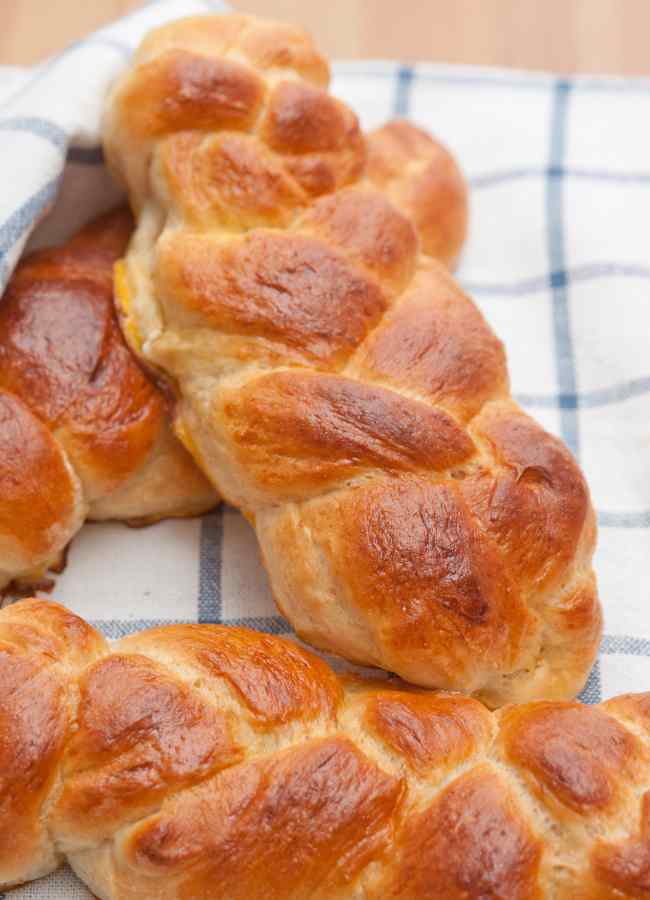
Greek Tsoureki Recipe
Ingredients for Tsoureki
- 2 cups plus 2-3 tablespoons milk
- 2 envelopes of active dry yeast
- 8-9 cups bread flour (you can find tsoureki flour in Greece)
- 1¾ cups sugar
- 1 cup of finely chopped almonds
- 1 teaspoon salt
- Grated rind of 1 orange
- 1 teaspoon finely ground aniseed (optional)
- 1 teaspoon mahlepi
- 1 teaspoon ground mastiha crystals (ground with 1 teaspoon sugar)
- ¼ cup olive oil or melted butter
- 5 eggs, well beaten
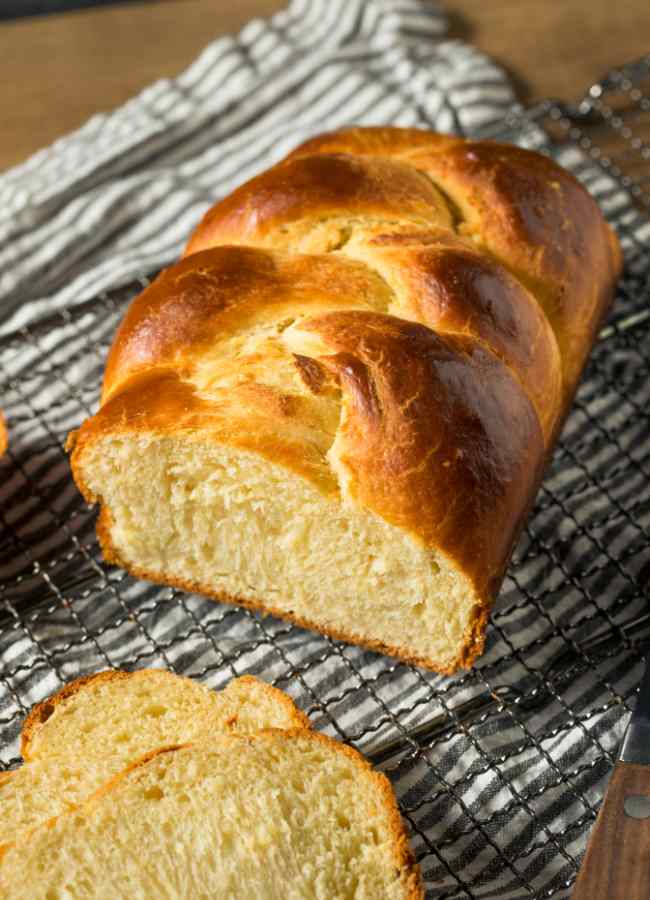
How to Make Tsoureki: Preparation Steps
Activate the yeast
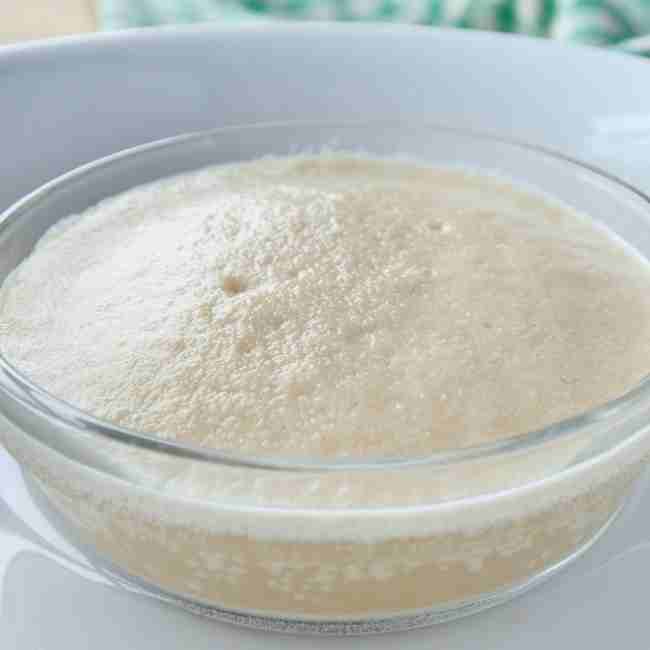
- Warm the milk slightly (ensure it’s not too hot) and dissolve the active dry yeast in it.
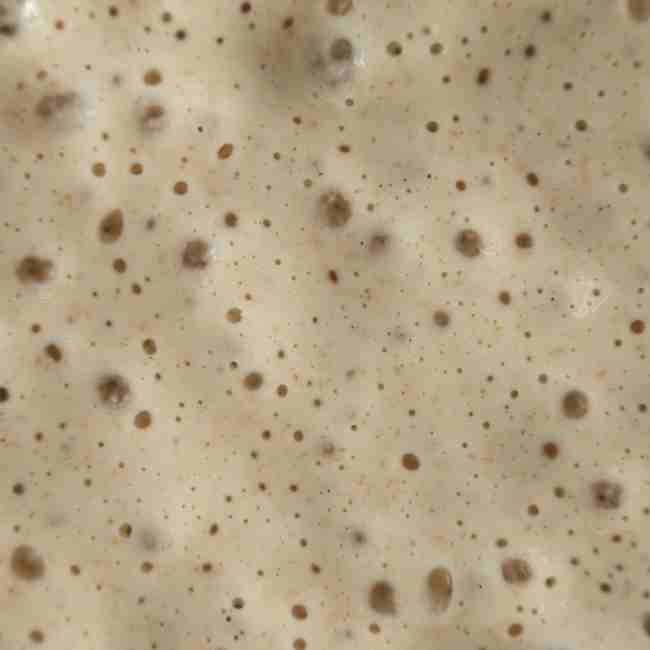
- Let it sit for about 5-10 minutes until it becomes frothy, indicating that the yeast is active.
Prepare the dry ingredients
- In a large mixing bowl, combine 8 cups of bread flour, sugar, finely chopped almonds, salt, grated orange rind, ground aniseed (if using), mahlepi, and ground mastiha.
- Mix these dry ingredients thoroughly.

Combine the wet ingredients
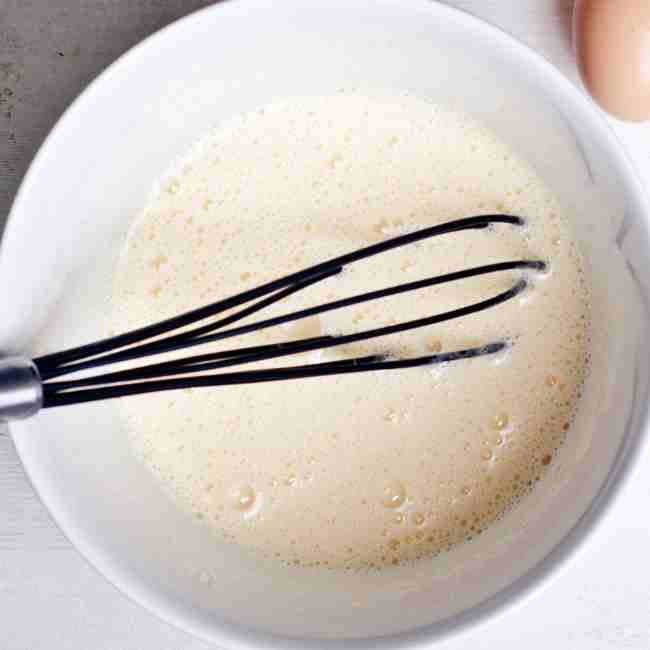
- In a separate bowl, mix the beaten eggs with olive oil or melted butter.
- Add this mixture to the activated yeast and milk.
Form the dough
- Gradually add the wet mixture to the bowl of dry ingredients, stirring continuously.
- If the dough appears too sticky, add the remaining flour little by little until a soft, pliable dough forms.
Knead the dough
- Transfer the dough onto a lightly floured surface and knead for about 10 minutes until it becomes smooth and elastic.
- Proper kneading develops the gluten, giving the bread its characteristic texture.

First rise
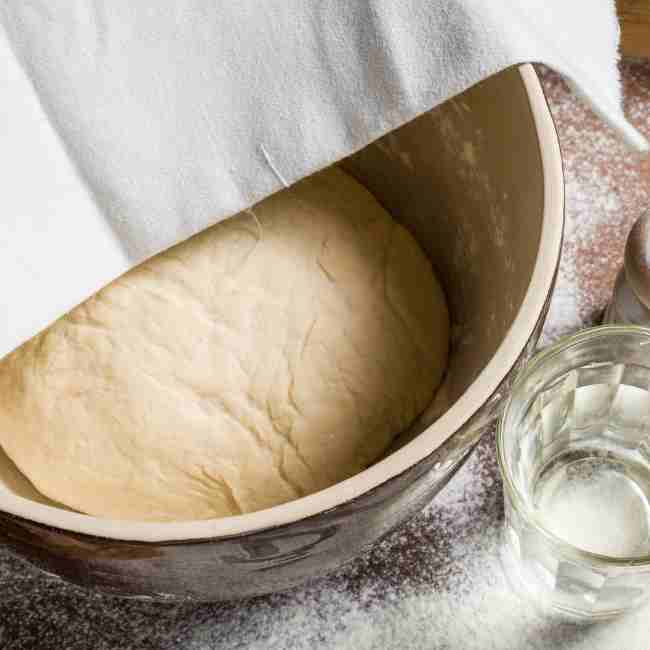
- Place the kneaded dough in a greased bowl, and cover it with a clean kitchen towel or plastic wrap.
- Let it rise in a warm, draft-free area for approximately 1.5 hours, or until it doubles in size.
Shape the loaves
- Once risen, punch down the dough to release the air.
- Divide it into portions (depending on the number of loaves you wish to make).
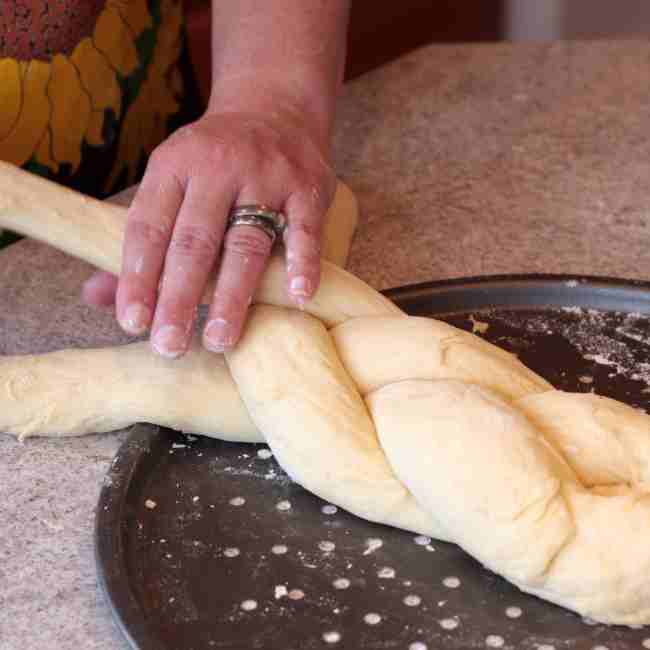
- For each loaf, divide the portion into three equal pieces, roll them into ropes, and braid them together.
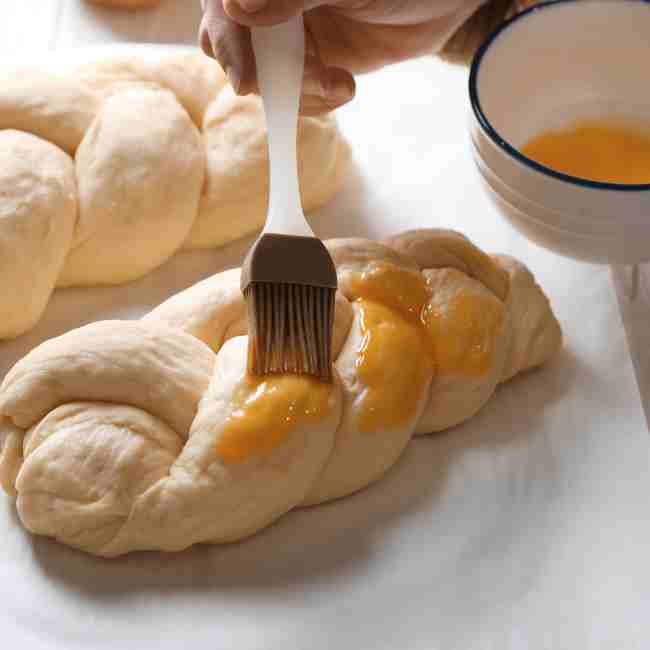
- Place the braided loaves onto a baking sheet lined with parchment paper.
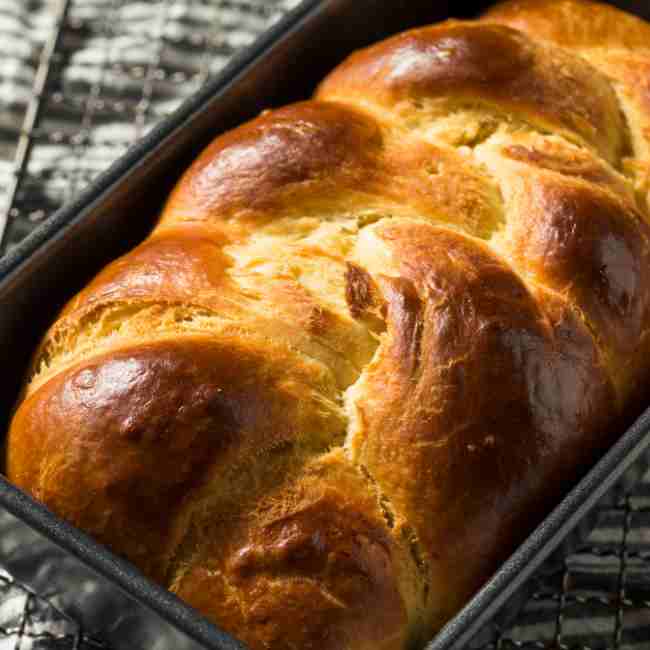
- You can also place them in a loaf baking mold.
Second rise
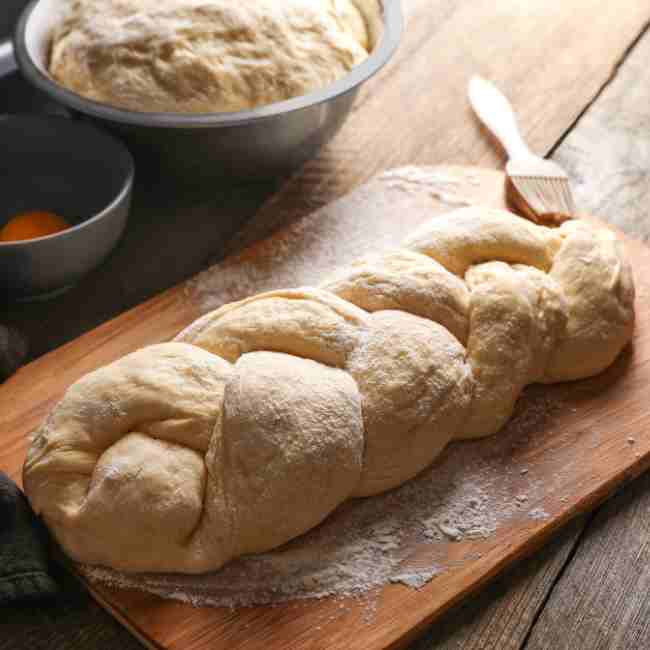
- Cover the braided loaves with a towel and allow them to rise again for about 30-45 minutes until they’ve puffed up.
Bake the tsoureki
- Preheat your oven to 350°F (175°C). Brush the loaves with a mixture of beaten egg and a tablespoon of water to give them a glossy finish.
- Bake for 25-30 minutes, or until the loaves are golden brown and sound hollow when tapped on the bottom.
Cool and serve
- Remove the tsoureki from the oven and let them cool on a wire rack.
- Once cooled, slice and enjoy the rich, aromatic flavors of this traditional Greek bread.
Tips for Perfect Tsoureki
- Ingredient temperature
Ensure all ingredients, especially eggs and milk, are at room temperature. This helps in achieving a smoother dough and better rise.
- Knead until elastic
The dough should be soft and slightly sticky but not too wet. Kneading well ensures a fluffy, airy bread. Besides, kneading is crucial for developing gluten, which gives the bread its structure. The dough should be smooth and elastic after kneading.
- Use fresh spices
Mahlepi and mastiha give tsoureki its signature flavor. If you can’t find them, substitute them with a mix of cardamom and vanilla or use ground aniseed and orange zest.
- Allow proper rising time
Don’t rush the rising process; letting the dough double in size creates the perfect texture.
- Check your yeast
If the yeast doesn’t foam during activation, it may be expired. Always use fresh yeast for a successful rise.
- Avoid overbaking: Keep a close eye on the bread during baking. Overbaking can result in a dry loaf. The bread is done when it has a deep golden color and sounds hollow when tapped.
- Store properly
Wrap leftover tsoureki tightly in plastic wrap or store it in an airtight container to keep it soft for days. It also freezes well, just ensure it’s well-wrapped to prevent freezer burn.

Baking tsoureki is more than just making bread—it’s a way to connect with Greek traditions and celebrate Easter with family and friends.
The process may take time, but the result is a beautifully braided loaf that fills your home with the scents of orange, mahlepi, and butter. Try this recipe and bring Greece to your Easter table!

Tsoureki
Ingredients
- 2 cups + 2-3 tbsp milk
- 14 grams active dry yeast
- 8-9 cups bread flour (you can find tsoureki flour in Greece)
- 1¾ cups sugar
- 1 cup almonds very finely chopped
- 1 tsp salt
- 1 orange grated rind
- 1 tsp aniseed finely ground (optional)
- 1 tsp mahlepi (ground with 1 teaspoon sugar)
- 1 tsp ground mastiha crystals
- ¼ cup olive oil or melted butter (use extra virgin olive oil)
- 5 eggs well beaten
Instructions
- Warm the milk slightly (ensure it’s not too hot) and dissolve the active dry yeast in it.
- Let it sit for about 5-10 minutes until it becomes frothy, indicating that the yeast is active.
- In a large mixing bowl, combine 8 cups of bread flour, sugar, finely chopped almonds, salt, grated orange rind, ground aniseed (if using), mahlepi, and ground mastiha.
- Mix these dry ingredients thoroughly.
- In a separate bowl, mix the beaten eggs with olive oil or melted butter.
- Add this mixture to the activated yeast and milk.
- Gradually add the wet mixture to the bowl of dry ingredients, stirring continuously.
- If the dough appears too sticky, add the remaining flour little by little until a soft, pliable dough forms.
- Transfer the dough onto a lightly floured surface and knead for about 10 minutes until it becomes smooth and elastic.
- Proper kneading develops the gluten, giving the bread its characteristic texture.
- Place the kneaded dough in a greased bowl, and cover it with a clean kitchen towel or plastic wrap.
- Let it rise in a warm, draft-free area for approximately 1.5 hours, or until it doubles in size.
- Once risen, punch down the dough to release the air.
- Divide it into portions (depending on the number of loaves you wish to make).
- For each loaf, divide the portion into three equal pieces, roll them into ropes, and braid them together.
- Place the braided loaves onto a baking sheet lined with parchment paper.
- You can also place them in a loaf baking mold.
- Cover the braided loaves with a towel and allow them to rise again for about 30-45 minutes until they’ve puffed up.
- Preheat your oven to 350°F (175°C). Brush the loaves with a mixture of beaten egg and a tablespoon of water to give them a glossy finish.
- Bake for 25-30 minutes, or until the loaves are golden brown and sound hollow when tapped on the bottom.
- Remove the tsoureki from the oven and let them cool on a wire rack.
- Once cooled, slice and enjoy the rich, aromatic flavors of this traditional Greek bread.
Pin for Later!
How to Make Greek Easter Tsoureki



Gabi Ancarola
Gabi is a travel writer who has lived in Crete for over a decade. Through her blog, Crete Insider, she has helped travelers uncover local experiences. Passionate about food and Cretan cuisine, she now attends Greek cooking lessons to bring the island’s flavors straight to your kitchen!
>> Interested in learning to cook in Crete, or discovering all of the top spots to eat in Chania and around the island? Book a food tour or plan your trip with me.


