

Tired of Wasting Parsley? These 2 Herb Storage Methods Changed Everything
Ever feel that sinking frustration when your parsley turns limp the instant you need it? Or when, on a sweltering island afternoon, you’re forced on a last‑minute supermarket dash to snag a few fresh herbs? I was, too—until I tested two simple, reliably flavorful ways to keep parsley, dill, basil, and other herbs fresh!
Join the My Cretan Recipe Facebook group.
In Crete, we cook with herbs—a lot, we use them in dozens of pies and other dishes, and always love to have fresh pesto at hand. And if, like me, you do not have a green thumb, keeping plants at home is not always easy.
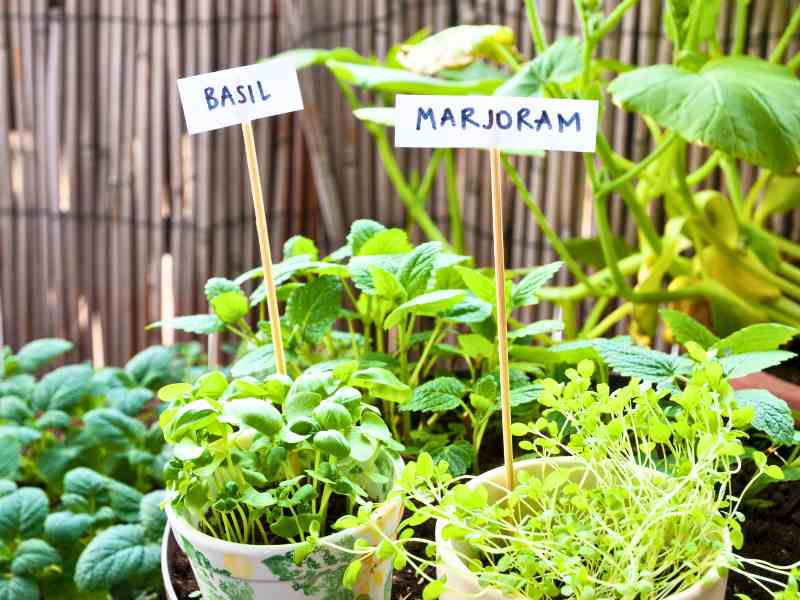
Personally, I have a balcony that receives scorching Cretan sun all day long, and except for a few times when I managed to keep the balcony quite green, in general, most of my herbs are destined to die!
That brings me to the next pain point: I’m tired of the frantic grocery runs for the right herb at the last minute.
Tired of soggy freezing experiments and the wasted chopped herbs that lose their zing, I’ve tried every trick I could find—from freezing chopped herbs and herbal sauces to zip‑lock bag wrappings—but flavor always slipped away.

Then I experimented and refined until two methods emerged as game‑changers for me.
I didn’t “discover” these methods by chance—I tried, tested, and tasted a whole bunch of different techniques over time. Some failed miserably (looking at you, flavorless frozen parsley), others were just too much work for too little reward.
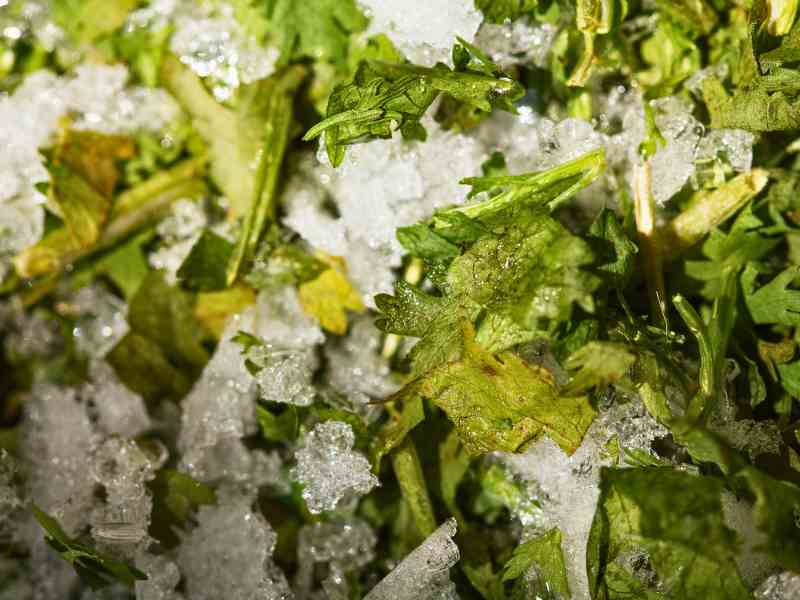
But eventually, I narrowed it down to two simple methods that work. One is great for short-term freshness (like that spontaneous basil gift from a neighbor’s garden), and the other helps me store larger herb bunches for weeks, without sacrificing flavor.
And no, these aren’t just my kitchen experiments—I actually went down a research rabbit hole to prove my methods were right. Yep, instead of just looking up the best technique like a normal person, I had to test it first… then dig up articles to back myself up afterward. (Insert dramatic face-palm here, not like the one in the photo!)

My Favorite Herb‑Keeping Methods (and Why They Work)
1. Short‑Term Freshness
(Ideal for a small quantity -neighbor’s basil or mint bunch)
What I do:
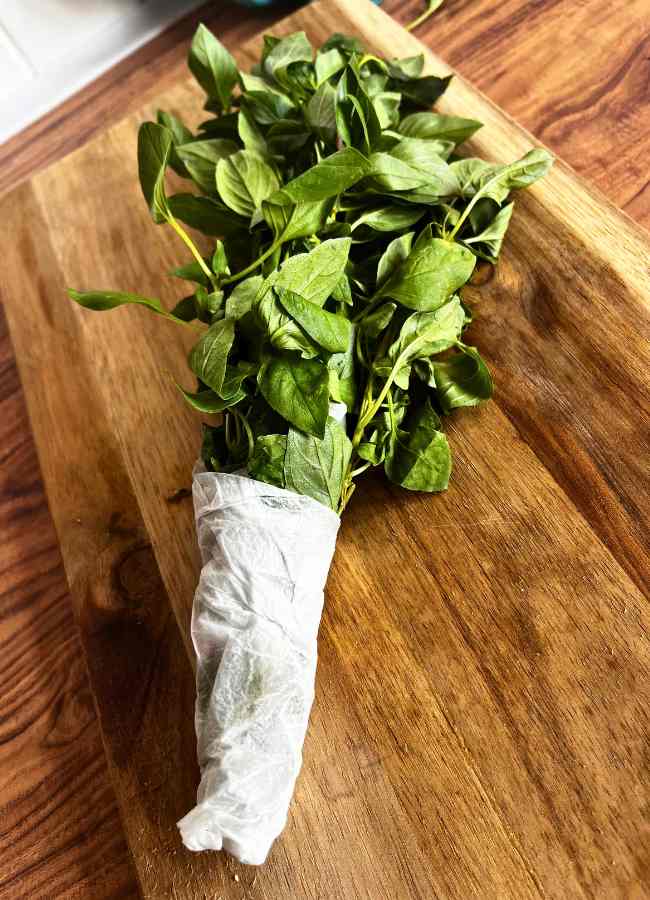
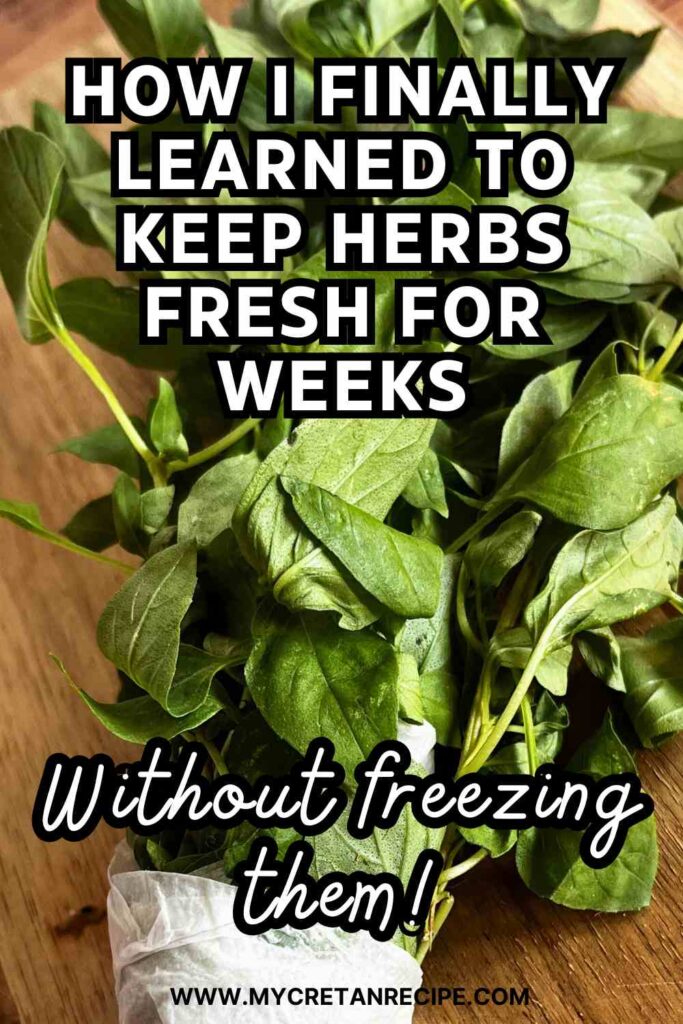
I wrap the herb stems (roots still attached, basil especially) snugly in a wet kitchen paper, then pop the bundle into the fridge.
Why it works:
This lightly moistened wrap keeps humidity balanced—enough moisture to stay plump without turning slimy. It echoes the proven damp‑paper‑towel technique many culinary aficionados recommend.

2. Long‑Term Storage (Weeks of fresh parsley and dill)
(Weeks of fresh parsley, cilantro, dill…)
Step‑by‑step:
- Most herbs come bundled with a rubber band or plastic twist tie—make sure to remove it right away, as it can bruise or damage the delicate stems and leaves.
- Trim away thick stem ends—keep only thin stems and leaves (works beautifully for parsley and dill).
- Wash gently under cold water; spin or pat dry to remove excess moisture.
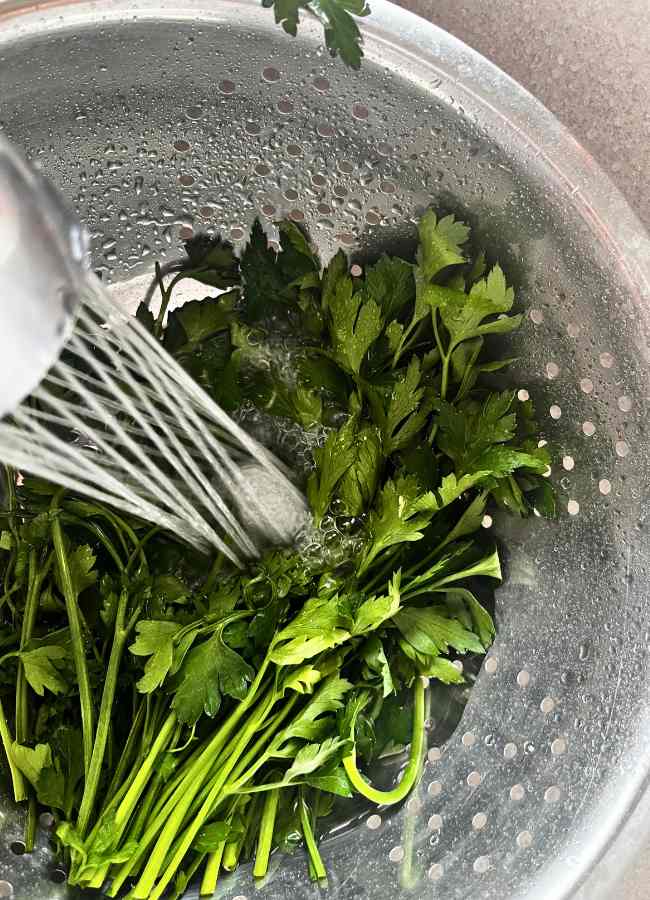
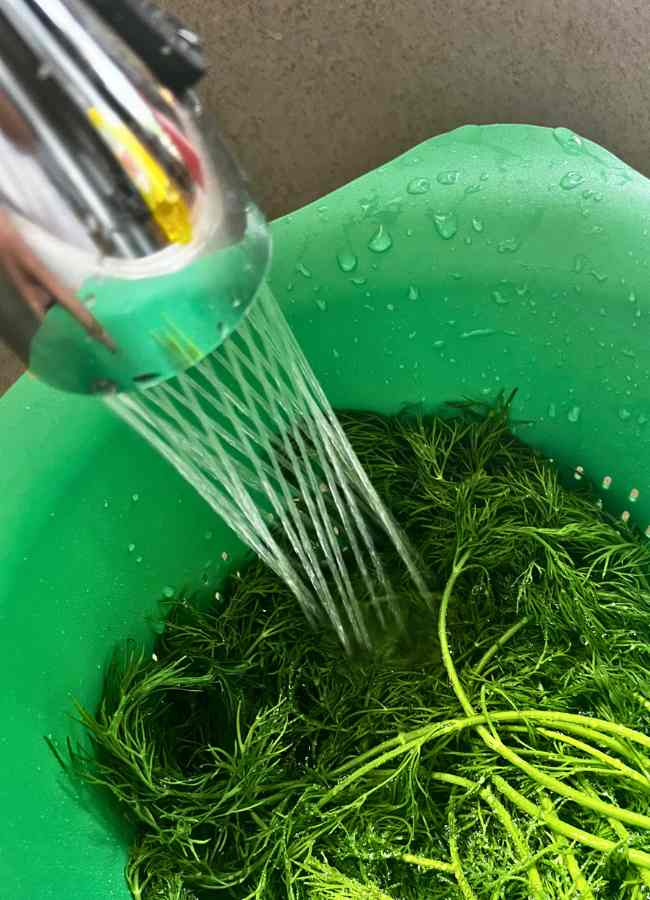
- Let them drain in a colander for a few minutes, then spread on clean towels for about 30 minutes. Cut any extra-long and thick stems you may have overlooked (especially if you bought a big bundle).

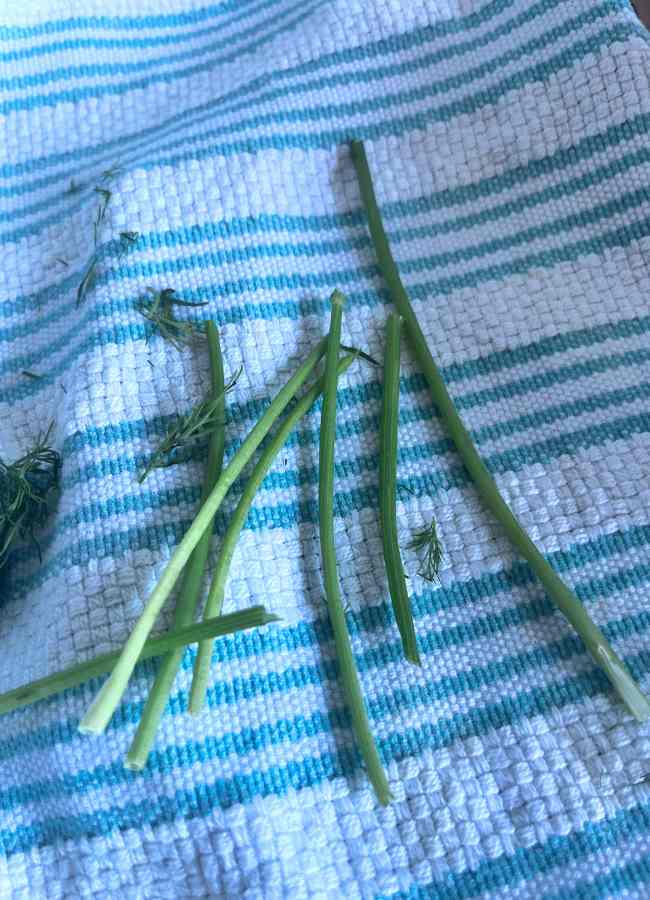

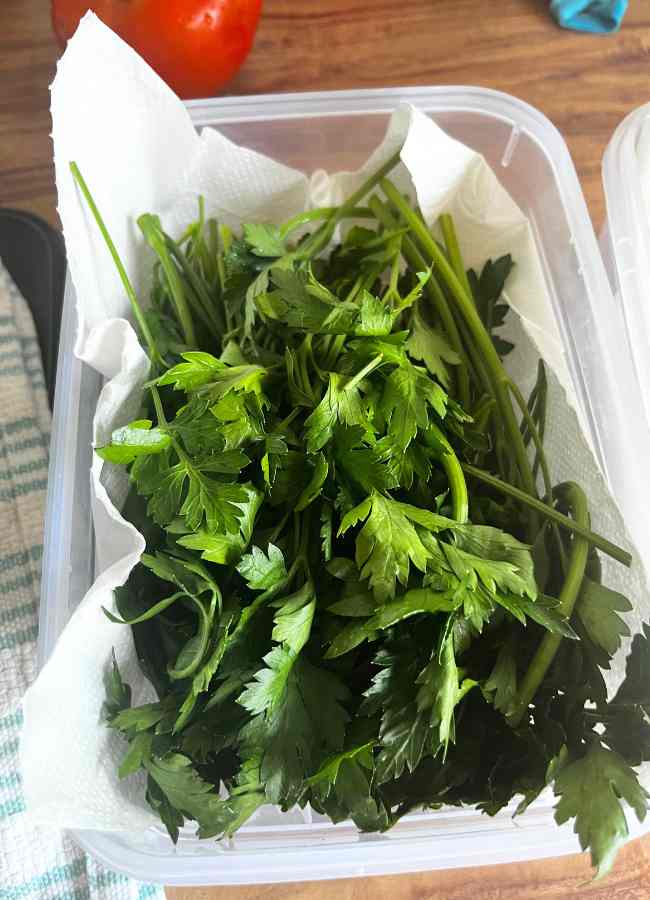
- Fit the bottom of an airtight container with a layer of dry kitchen paper.
- Lay the herbs inside evenly, top with another layer of paper, seal, and refrigerate.

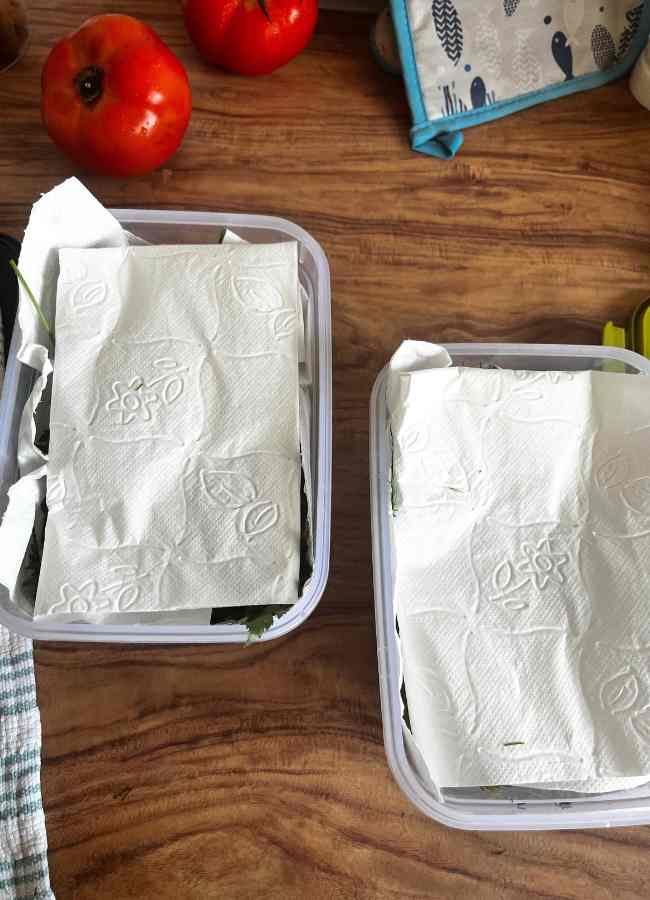
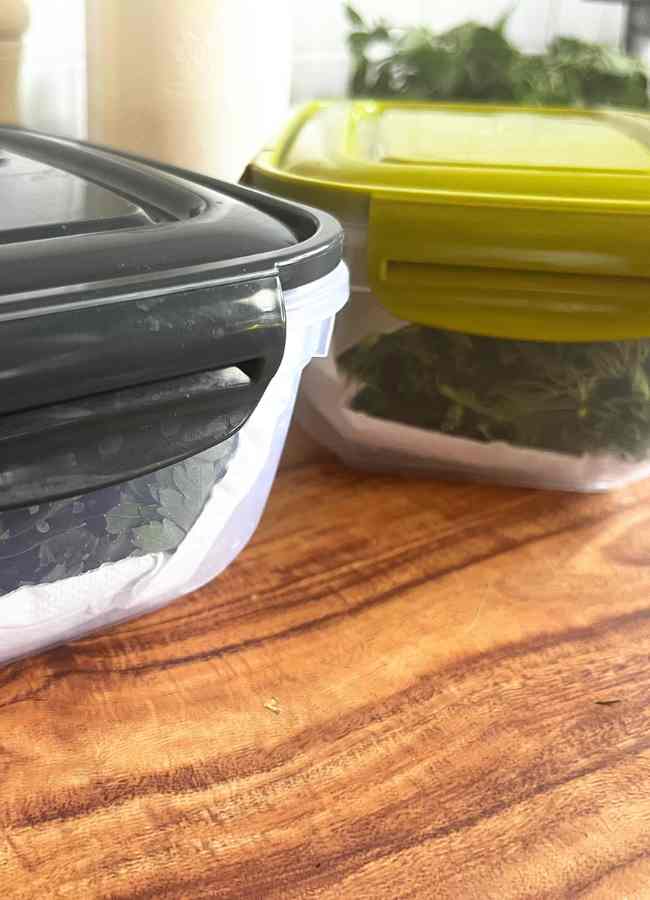
Why it works:
Experts recommend keeping herbs like parsley and dill in a controlled, humid environment that avoids too much moisture and stagnation.
Wrapping in just‑moist paper and sealing in a container balances freshness and air control. This is also suggested by several seasoned food bloggers.
What I don’t do anymore:
Handling herbs like cut flowers—placing stems in water—also preserves freshness for a couple of days, and even adds a touch of green brightness to the kitchen—I don’t love this method.
The water tends to turn unpleasant rather quickly, and the herbs rarely last as long as I need them to. For me, it’s more fuss than function, so I’ve gladly left this one behind.
Besides, this method might work well when you live in a place with a colder climate. But on an island like Crete, this does not really work for me; herbs go to waste really fast.
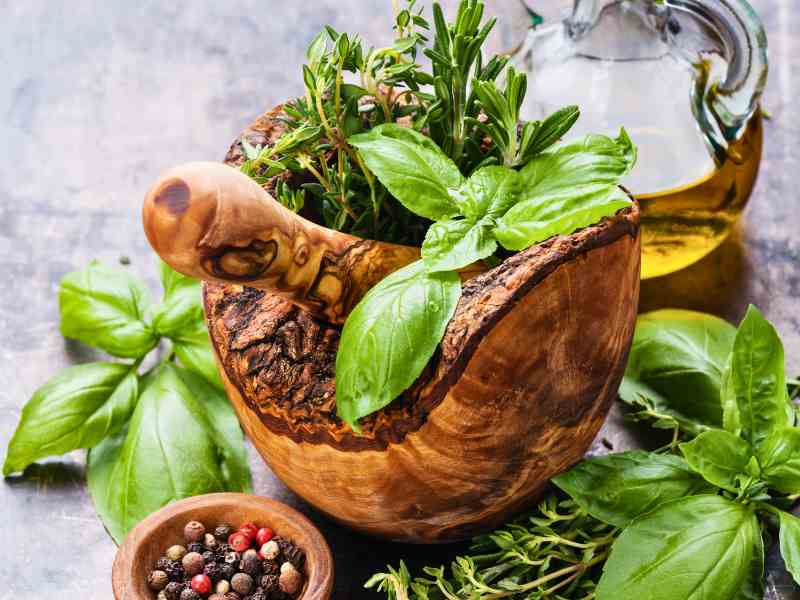
The 2 methods I explained above work wonders for tender herbs, aka: parsley, cilantro, dill, mint, tarragon, chervil, and even basil (not tender but also not hardy). Making them last for weeks:
- Parsley, cilantro, tarragon: 3 weeks
- Dill, mint: 2 weeks
- Chervil, basil: no more than 10 days.
But it also works great with hardy herbs like rosemary, thyme, sage, and savory. They tend to last quite well, often up to 2 or even 3 weeks with the same storage method I use for parsley and dill.
Chives are a bit more delicate but can still be preserved this way for about a week. That said, I’ll admit: except for oregano, chives, and thyme, I often use these herbs dried. Not because I necessarily prefer them that way, but simply because it became a habit over time—convenient and always within reach.
Still, if you love the flavor of fresh herbs (and who doesn’t?), know that these tougher varieties also respond beautifully to the same care and storage method I described.

So… summing up, the short‑term wrap method is ideal for immediate use (especially for delicate basil and mint)—simple, effective, and backed by the “moist‑paper‑towel” family of tactics.
The long‑term container method aligns with expert guidance on humidity control and airflow, ideal for keeping parsley, dill, and cilantro fresh for weeks rather than just days.
As days go by, you can open up the container and get rid of any yellowish leaves that might be dying to keep the rest of the leaves green and fresh.
I don’t know if I’m doing it right! —But what I’ve got is already tested and solid… and keeps my fridge stocked with herbs for a good while! Let me know if you have tried any other method that has worked for you!
Pin for Later!
Herb Storage Methods (Perfect for Hot Weather Places)

Gabi Ancarola
Gabi is a travel writer who has lived in Crete for over a decade. Through her blog, Crete Insider, she has helped travelers uncover local experiences. Passionate about food and Cretan cuisine, she now attends Greek cooking lessons to bring the island’s flavors straight to your kitchen!
>> Interested in learning to cook in Crete, or discovering all of the top spots to eat in Chania and around the island? Book a food tour or plan your trip with me.


You May Also Like

10 Delicious Greek Yogurt Recipes for a Fresh, Healthy Twist

Essential Ingredients for Mediterranean Cooking
