

How to Make Village-Style Phyllo Dough for Cretan Pies
Cretan pies—known as kalitsounia—are made with simple, fresh ingredients and a handmade phyllo dough that’s thinner than bread but sturdier than commercial pastry. This rustic phyllo for pies forms the base for both savory and sweet fillings, baked or fried.
Join the My Cretan Recipe Facebook group.
A Tradition in Every Fold

In Crete, making pies is more than cooking—it’s part of daily life. Across the island, you’ll find kalitsounia at breakfast tables, packed for lunch, or brought out warm for visiting guests.
While today many rely on store-bought dough, traditional village cooks continue to make their phyllo by hand, using local olive oil and a splash of tsikoudia (raki), Crete’s famous grape-based spirit.

This homemade dough is soft, elastic, and easy to work with. It’s thicker than the ultra-thin commercial phyllo used in baklava, which makes it ideal for rustic pies filled with cheese, greens, or a mix of both.
Some believe this dough-making technique came to Crete from Asia Minor during the early 20th-century population exchange, while others say it simply evolved in the villages alongside seasonal farming life. Whatever its exact origin, it remains a central part of Cretan culinary culture.

Working the Dough by Hand
Making traditional village-style phyllo dough is a meditative process. In Cretan kitchens, the preparation often begins with a large wooden bowl placed at the center of the table. Don’t have a wooden bowl? Worry not, I use the metal bowl from the kitchen mixer, which is big enough and works wonders too!


The flour is sifted in first, followed by a pinch of salt, then olive oil and a splash of tsikoudia—a dry, grape-based spirit that helps tenderize the dough and gives it a slightly crisp texture once cooked. If tsikoudia isn’t available, vinegar or a bit of vodka works just as well.
Water is added slowly, and kneading begins. There’s no need for machines—your hands are the best tools. The olive oil keeps the dough smooth and pliable, and unlike many other types of pastry dough, it doesn’t stick to your hands or the work surface.
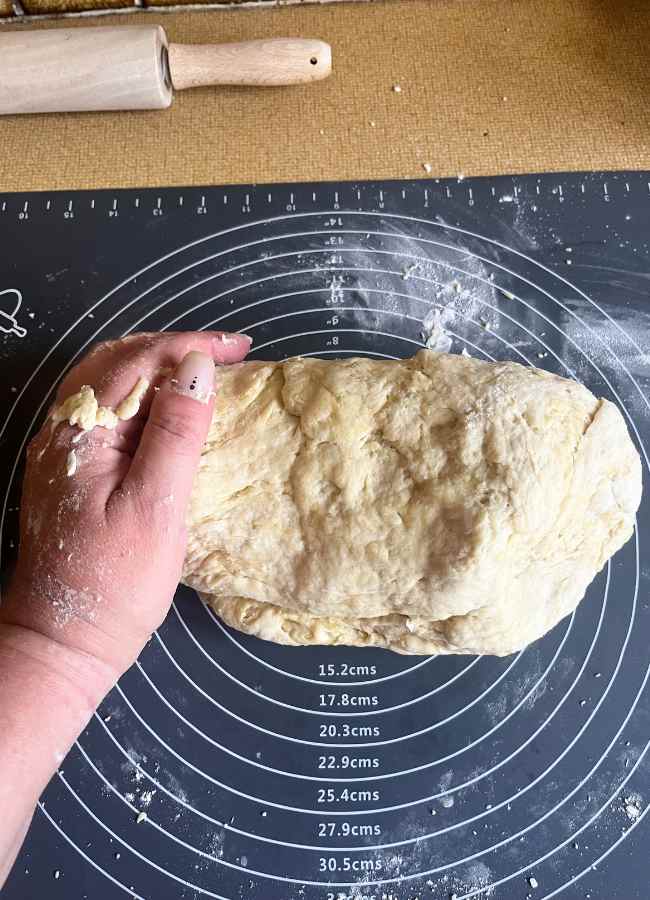
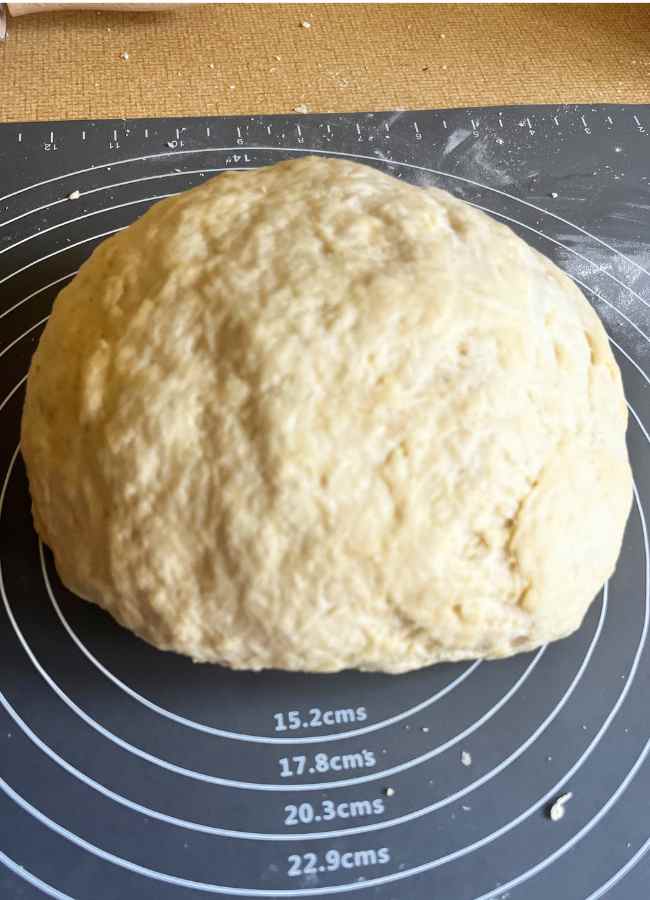
After a few minutes of kneading, the dough becomes soft and elastic, forming a cohesive ball. This is then covered and left to rest for half an hour.
Once rested, the dough rolls out easily, thanks to the olive oil in the mix. It doesn’t need extra flour dusted over the surface unless your kitchen is particularly humid. Most people use a rolling pin, extending the dough until it’s about 1 to 2 mm thick.
Some cooks prefer to use a pasta machine to achieve ultra-thin sheets, especially when making large quantities or when a more delicate crust is desired.
After rolling, the dough is cut into circles or squares, ready to be filled and shaped. The result is a versatile pastry base that’s rustic but refined enough for both everyday cooking and festive occasions.

Homemade Phyllo Dough for Pies
Ingredients
- 1 kg all-purpose flour
- ½ cup tsikoudia (raki) or substitute with white vinegar, vodka, or grappa
- 1 tsp salt
- 1 cup olive oil extra virgin
- water as needed to form a soft dough
Instructions
- Place the flour in a large mixing bowl and stir in the salt.
- Pour in the olive oil and tsikoudia. Begin mixing with your hands or a spoon.
- Pour in lukewarm water bit by bit, kneading constantly, until the dough becomes soft, elastic, and smooth.
- Cover the dough with a cloth and let it rest for 30 minutes to make it easier to roll out.
- Roll out the dough to a 1–2 mm thickness. Thanks to the olive oil, it won’t stick to your surface. Use a cutter or lsmall plate to cut out round shapes (about 8 cm in diameter).
- Add a small spoonful of your preferred filling. For frying, fold into half-moons and seal. For baking, form into squares and leave a bit of filling visible.
Cooking Options
- Frying: Heat olive oil in a pan. Fry pies on both sides until golden. Drain on kitchen paper.
- Baking: Place pies on a tray lined with parchment paper. Brush with beaten egg, sprinkle white sesame seeds for cheese pies and black sesame for spinach pies. Bake at 180°C (350°F) for about 30 minutes, or until golden.
Notes
Calories:
Dough only (per small pie wrapper)- → 180–200 kcal per piece (dough only)
- Cheese pies (mizithra/feta, baked): ~280–320 kcal
- Spinach pies (greens + herbs + little cheese, baked): ~230–260 kcal
- Fried versions: add ~40–60 kcal per pie due to oil absorption
Nutrition
>> For savory ideas, try this Cretan spinach and cheese pie recipe or explore the traditional cheese pie variation.
Typical Fillings for Kalitsounia
Cretan pies reflect the land they come from. These are the three most common fillings:
- Cheese-based
Preferably with myzithra, a fresh Cretan cheese similar to ricotta, or a mixture with feta.
- Spinach and herbs
Often combined with spring onions, dill, and mint. If you’re in Crete and want to try something different than spinach, go to the laiki (farmers’ market) and buy xorta for kalitsounia, a mix of wild greens for these pies.
- Mixed (anámikta)
A combination of greens and cheese, perhaps the most loved variation in Cretan households.

Regional Variations and Lesser-Known Fillings
While cheese, spinach, and mixed herb pies remain the most common, different villages and regions in Crete have their unique twists. In the mountainous areas, you might find pies filled with wild fennel, nettles, or amaranth greens, especially in spring.
Some households add a handful of bulgur wheat or cracked wheat to the spinach mixture for extra texture. In the region of Sfakia, pies are often made thinner and filled with cheese alone, then lightly pan-fried and finished with a drizzle of honey, similar in spirit to the sweet variation mentioned earlier.
In eastern Crete, some cooks include zucchini, grated and drained, along with mint and onion.
Seasonal and foraged ingredients often determine the filling, and cooks adjust the recipe depending on what’s growing in the garden or gathered from the hills.

Sweet or Savory
Cheese pies, particularly when fried, also have a sweet version. Once hot out of the pan, they can be drizzled with Cretan thyme honey and served as a dessert after lunch or dinner.
This sweet-savory contrast is common in traditional island cooking and offers a delightful way to use the same dough for different purposes.

Fried or Baked? Both Work
You can either fry or bake your kalitsounia, depending on your taste and dietary preferences.
- Frying
Heat olive oil in a pan and fry the pies on both sides until golden brown. Remove and place them on kitchen paper to absorb excess oil. The result is crispy, rich, and full of flavor.
- Baking
For a lighter version, place the pies on a baking tray lined with parchment paper. Beat one egg and brush the tops of the pies. Sprinkle white sesame seeds on cheese pies and black sesame seeds on spinach pies, and a combination of both for mixed cheese and spinach pies. Bake in a preheated oven at 180°C (350°F) for about 30 minutes, or until golden.
Keep in mind that frying increases the calorie content, while baking results in a lighter, less oily texture.


How to Store Homemade Dough
If you’re not using the dough right away, you can store it:
- In the fridge
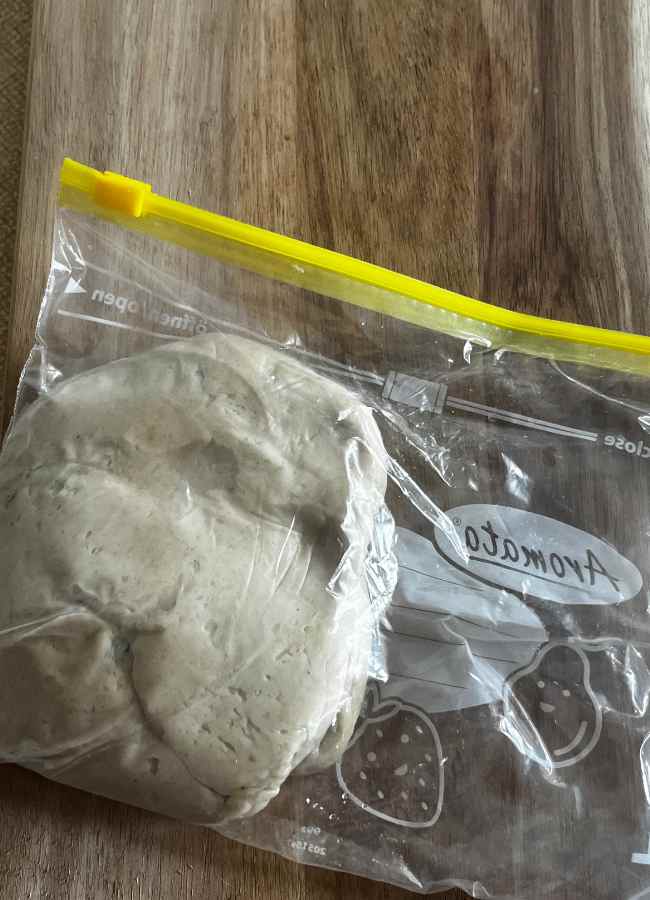
Wrap tightly in plastic wrap and refrigerate for up to 3 days. Allow it to return to room temperature before using.
- In the freezer
Divide into small balls, wrap each one individually, and place in a freezer bag. It will keep for up to 3 months. Thaw overnight in the refrigerator before rolling out. If rolled-out dough is left over, dust it lightly with flour, layer with parchment paper, and freeze flat.
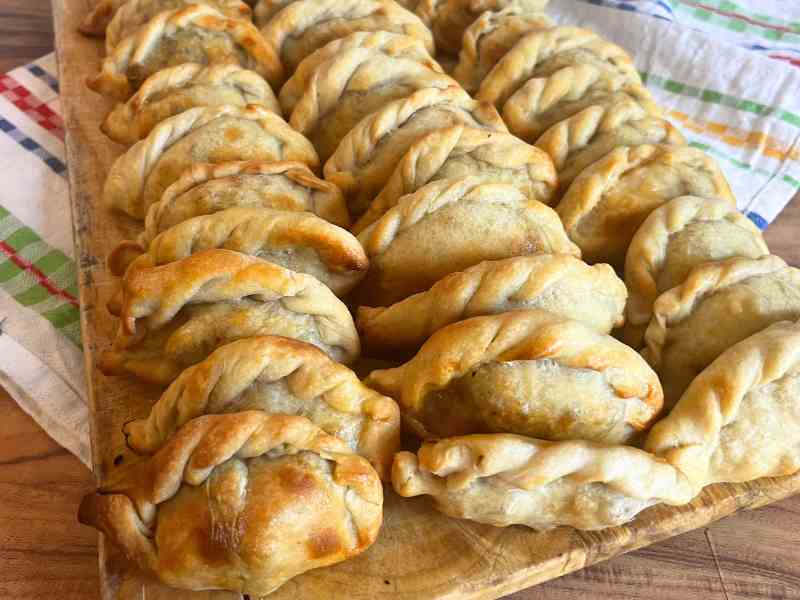
Making phyllo dough by hand is a skill passed down through generations in Crete.
It takes a bit of time and practice, but the result is a sturdy, elastic pastry that brings out the best in every filling, and that can be used for savory or sweet snacks, and both fried and baked.

With just a few ingredients and a little care, you can bring a piece of the Cretan countryside into your kitchen.
Trust me, you will love this dough and can even recycle the recipe to make big pies and even to imitate Argentinian empanadas! Let me know if you loved this recipe too!



Pin for Later!
How to Make Rustic Phyllo for Cretan Pies – Kalitsounia



Gabi Ancarola
Gabi is a travel writer who has lived in Crete for over a decade. Through her blog, Crete Insider, she has helped travelers uncover local experiences. Passionate about food and Cretan cuisine, she now attends Greek cooking lessons to bring the island’s flavors straight to your kitchen!
>> Interested in learning to cook in Crete, or discovering all of the top spots to eat in Chania and around the island? Book a food tour or plan your trip with me.


