

The Ultimate Guide to Salt: Varieties, Uses, and Culinary Secrets
Salt is one of the oldest and most essential ingredients in human history. Beyond simply seasoning food, salt enhances flavors, preserves foods, and even transforms textures in baking and cooking. Every culture and cuisine has its preferred types of salt, and understanding these varieties will improve your cooking and help you use the right salt for the right dish.
Join the My Cretan Recipe Facebook group.
Salt Matters
Salt isn’t just about making food salty. It also has other roles in your kitchen, some of which you may not know yet:
- Flavor enhancer
Salt Intensifies natural flavors in meats, vegetables, and baked goods.
- Texture modifier
Salt improves the structure of dough, reduces bitterness in vegetables, and preserves moisture in meats.
- Preservation
Salt has been used for centuries in curing meats, fish, and pickling vegetables.
- Balancing flavors
Finally, it can also tame acidity, balance sweetness, and reduce bitterness.
Common Salt Varieties and Their Uses
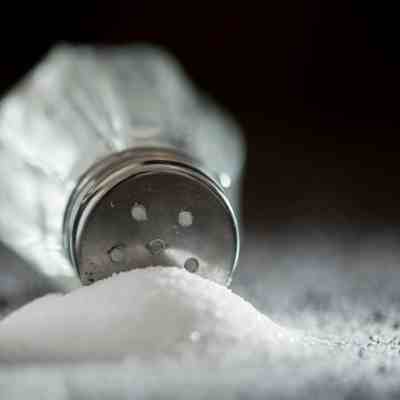
Table Salt
- Highly refined, fine-grained salt, usually iodized.
- Flavor: Pure, consistent salty taste.
- Uses: Everyday cooking, baking, and general seasoning.
- Notes: Dissolves quickly; perfect when you need precise salting or for recipes requiring exact measurements.
Kosher Salt
- Coarse-grained salt, often used in koshering meat.
- Flavor: Clean, straightforward saltiness.
- Uses: Seasoning meats, brining, and general cooking.
- Notes: Easy to pinch and control; doesn’t contain additives like anti-caking agents, making it ideal for hands-on seasoning.
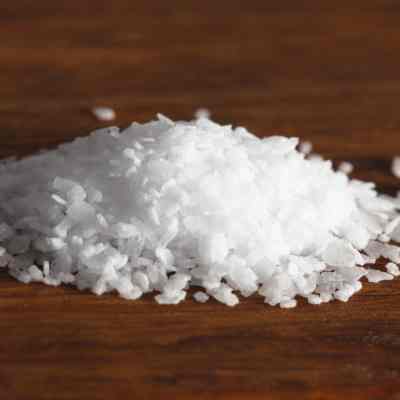
>> Kosher salt contains sodium chloride, but in most cases, not iodine, qualifying it as a non-iodized salt.
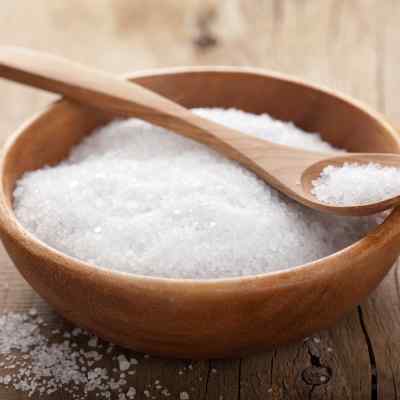
Sea Salt
- Produced by evaporating seawater; may be fine or coarse.
- Flavor: Slightly briny with subtle mineral notes.
- Uses: Finishing dishes, roasted vegetables, salads, or even chocolate desserts.
- Notes: Flavor varies depending on the source; coarse grains provide texture.
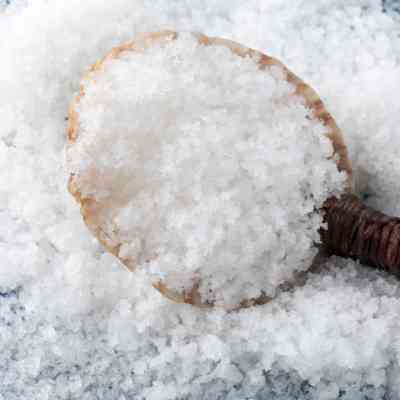
Fleur de Sel
- A delicate, flaky salt harvested from the surface of salt ponds in France.
- Flavor: Light, slightly sweet, with complex mineral notes.
- Uses: Finishing dishes — meats, vegetables, salads, chocolate, or baked goods.
- Notes: Never used for cooking; sprinkle on food just before serving to preserve its delicate texture.
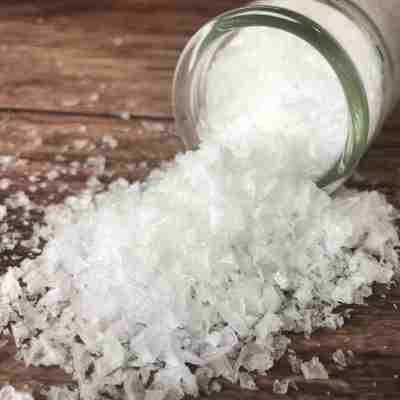
Maldon Salt
- Flaky sea salt from England, known for its pyramid-shaped crystals.
- Flavor: Clean, pure, slightly briny.
- Uses: Finishing dishes, grilled meats, roasted vegetables, baked goods.
- Notes: Adds crunch and visual appeal; excellent for presentation.
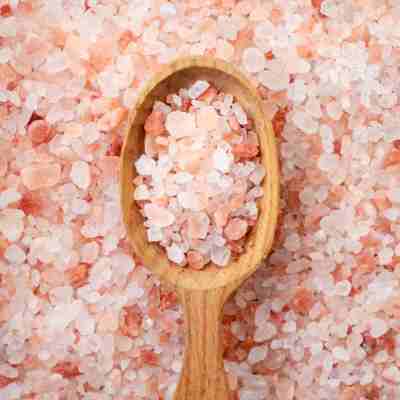
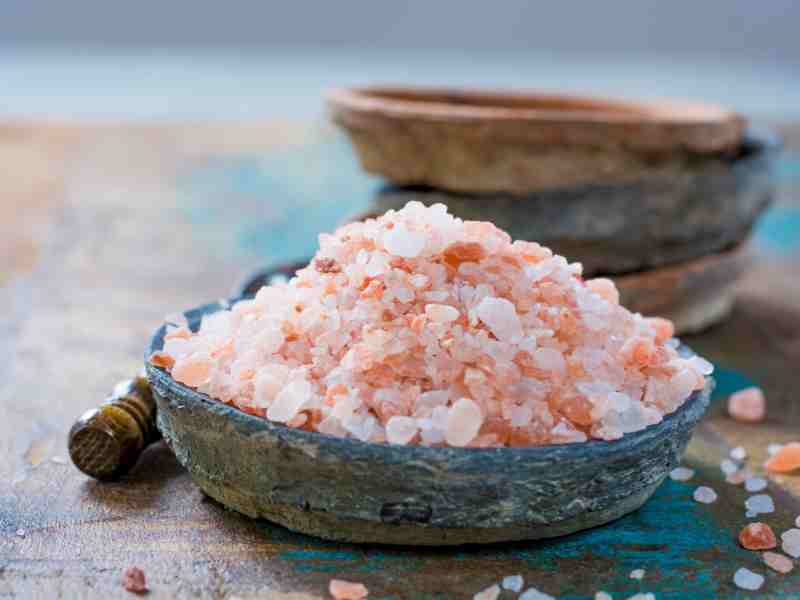
Himalayan Pink Salt
- Mined from ancient salt deposits in Pakistan; pink due to iron content.
- Flavor: Mildly mineral-rich taste.
- Uses: Cooking, brining, finishing, and even as salt blocks for grilling.
- Notes: Often used in decorative salt mills or for specialty dishes; not as fine as table salt, so adjust quantity accordingly.
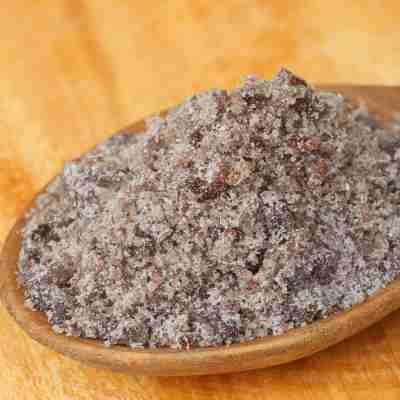
Black Salt (Kala Namak)
- Indian volcanic rock salt with a sulfurous aroma.
- Flavor: Salty with subtle eggy, mineral notes.
- Uses: Indian chaats, vegan egg dishes, pickles, and chutneys.
- Notes: Adds a unique aroma; use sparingly.
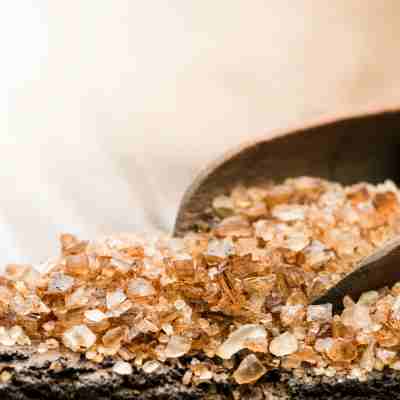
Smoked Salt
- Salt smoked over wood fires, often coarse.
- Flavor: Smoky, complex, savory.
- Uses: Grilled meats, roasted vegetables, soups, and savory sauces.
- Notes: Can replace smoked paprika in a pinch; adds aroma and depth without additional cooking.
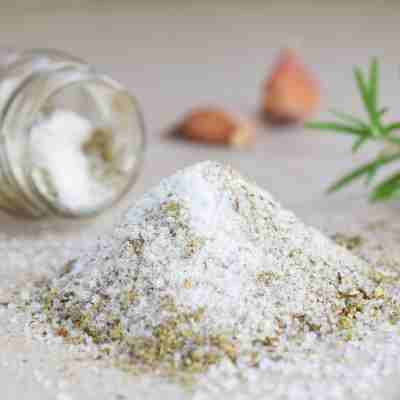
Flavored and Infused Salts
- Salt that is combined with herbs, spices, or citrus zest.
- Flavor: Varies — can be herby, spicy, or citrusy.
- Uses: Finishing dishes, seasoning meats, pasta, salads, and roasted vegetables.
- Notes: Excellent for gifting or adding a finishing touch to meals.
Using Salt in Sweets
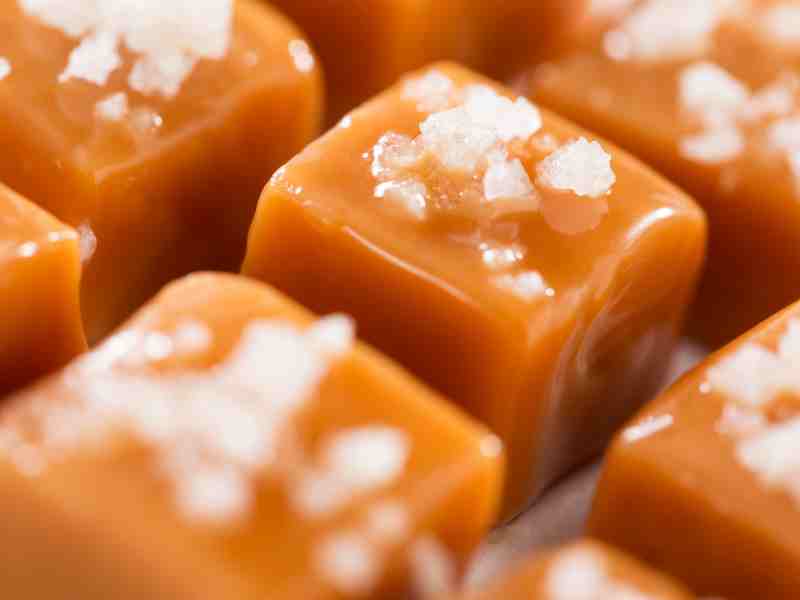
Salt isn’t just for savory dishes — it’s a secret ingredient in desserts. A pinch of salt enhances the natural sweetness of chocolate, caramel, or fruit, bringing depth of taste.
Finishing salts like fleur de sel or Maldon flakes add a subtle crunch and taste when sprinkled over cookies, brownies, caramel tarts, or ice cream.
Even a touch of coarse sea salt in cookie dough or brownie batter prevents the dessert from tasting flat or overly sweet. Using salt thoughtfully in sweets transforms ordinary treats into multi-dimensional desserts.
Using Salt Effectively
- Layer your salt
Season at multiple stages — during cooking and just before serving.
- Coarse vs. fine
Coarse salts are best for finishing and adding crunch; fine salts dissolve quickly and are ideal for baking or precise seasoning.
- Taste first
Always adjust salt gradually; you can add more, but it isn’t easy to fix over-salted dishes.
- Balance with acidity or sweetness
Salt enhances flavors, so a touch of lemon, vinegar, or sugar can complement it.
- Experiment with finishing salts
A pinch of fleur de sel or Maldon salt on chocolate, roasted vegetables, or fresh tomatoes can instantly improve flavor.
Salt in Brining and Preserving
- Brining meats
Coarse salts like kosher salt dissolve in water to create brines, which improve juiciness and tenderness.
- Pickling vegetables
Sea salt is often used to draw moisture from vegetables and initiate fermentation.
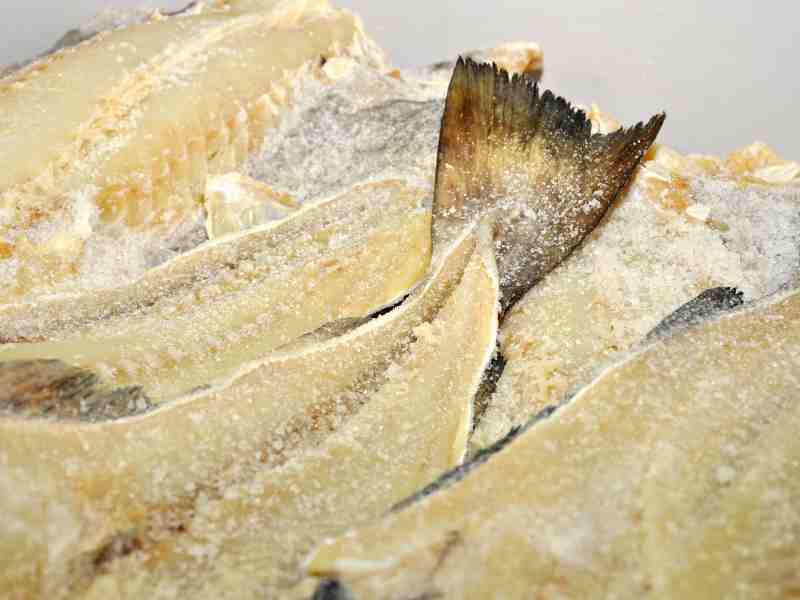
- Curing
Salt preserves fish, meats, and cheeses by drawing out moisture and inhibiting bacterial growth.
Health Considerations
- Moderation is key: Excess salt can increase blood pressure; use flavorful salts to reduce overall quantity.
- Mineral content: Specialty salts like Himalayan or sea salt contain trace minerals, but the health difference is minimal.
- Iodine: Iodized table salt helps prevent iodine deficiency, important for thyroid health.
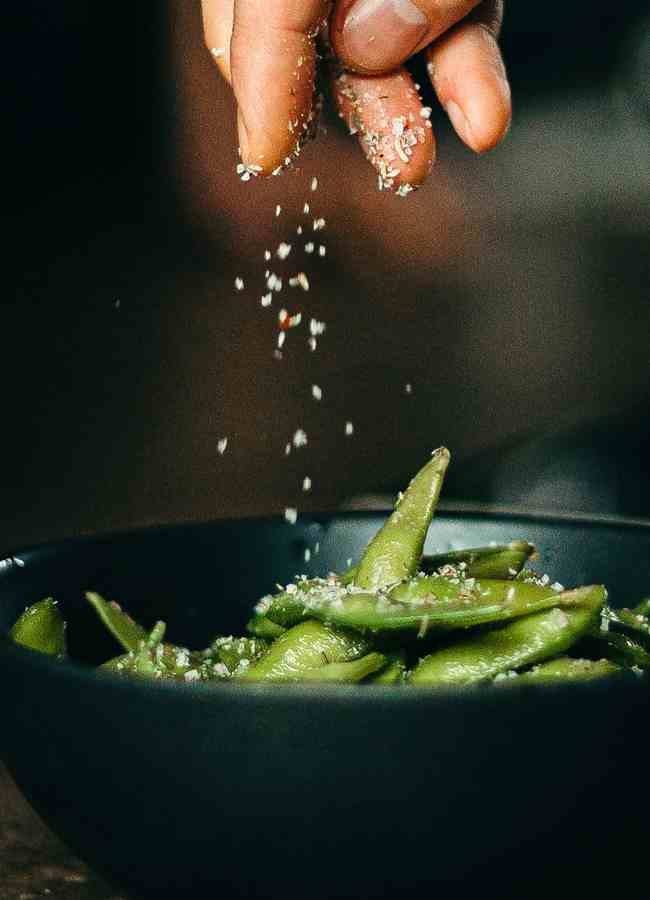
Salt is a flavor enhancer, preservative, and culinary essential. From table salt to fleur de sel, smoked salts, and unique varieties like kala namak or Himalayan pink salt, choosing the right type of salt can transform a dish.
Understanding the texture, flavor, and intended use of each salt type allows you to bring out the best in your cooking. Don’t forget that a simple pinch can take your meals from good to extraordinary, also in sweet dishes.




Pin for Later:
Complete Guide to Salt

Gabi Ancarola
Gabi is a travel writer who has lived in Crete for over a decade. Through her blog, Crete Insider, she has helped travelers uncover local experiences. Passionate about food and Cretan cuisine, she now attends Greek cooking lessons to bring the island’s flavors straight to your kitchen!
>> Interested in learning to cook in Crete, or discovering all of the top spots to eat in Chania and around the island? Book a food tour or plan your trip with me.


You May Also Like

Authentic Italian Pesto: A Trusted Family Recipe

Baklava Diamonds with Double Chocolate and Walnuts
