

Flour: Types, Uses, and International Names (Including Greek Flours)
Flour is one of the most fundamental ingredients in cooking and baking. From bread to pasta, pastries, and sauces, flour forms the base of countless recipes across the world. But not all flours are the same.
Join the My Cretan Recipe Facebook group.
The type of flour you choose can dramatically affect texture, taste, and structure in your dishes. This guide will take you through different flour types, their uses, and how they are named in various countries, including Greece, making it easier to pick the right flour for your cooking.

Flour isn’t just a neutral ingredient — it determines:
- Structure & texture
High-protein flours form strong gluten networks, perfect for bread, while low-protein flours make tender cakes and pastries.
- Absorption & hydration
Different flours absorb water differently, affecting dough consistency and rise.
- Flavor
Whole grain and specialty flours add nutty, earthy, or sweet flavors.
- Culinary tradition
Regional recipes often depend on local flour types, like Italian 00 for pasta, French T45 for pastries, or Greek flour for tsoureki.
Choosing the right flour ensures your bread rises perfectly, pasta is silky, and cakes are soft and tender.
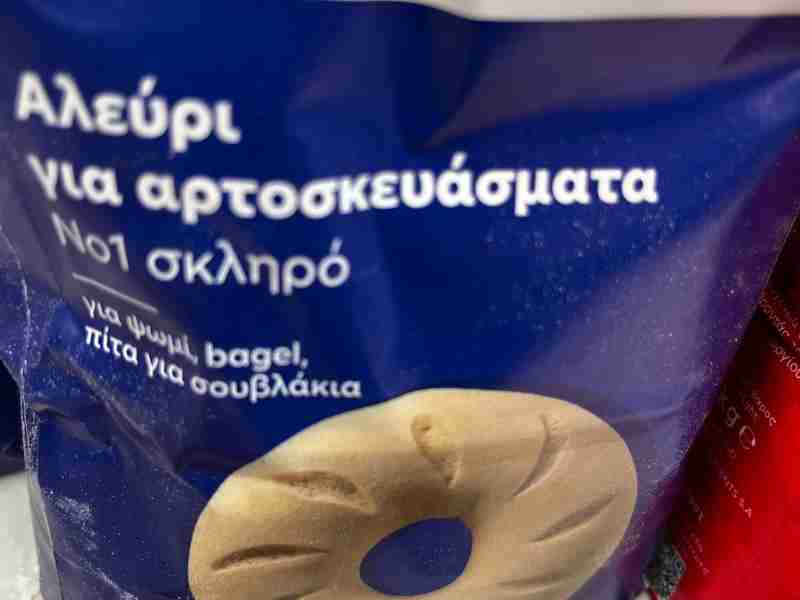
2. Bread Flour (Strong Flour)
- High-protein flour (12–14% protein).
- Uses: Yeast breads, pizza dough, bagels.
- Notes: Higher gluten content produces chewy, structured breads.
3. Cake Flour
- Low-protein flour (7–9% protein), finely milled.
- Uses: Cakes, cupcakes, pastries.
- Notes: Produces tender, soft textures. Often bleached to improve baking performance.

4. Pastry Flour
- Slightly higher protein than cake flour (8–10%).
- Uses: Pie crusts, tarts, cookies, muffins.
- Notes: Balances tenderness and structure.
5. Whole Wheat Flour
- Made from the entire wheat kernel; higher fiber.
- Uses: Bread, muffins, pancakes, flatbreads.
- Notes: Gives a nutty flavor and denser texture; often mixed with all-purpose flour for lighter breads.
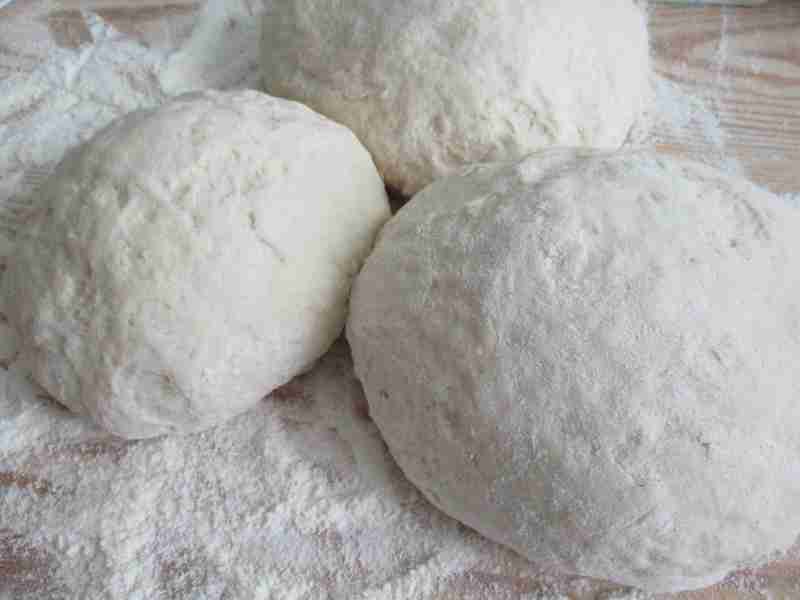
6. Gluten-Free Flours
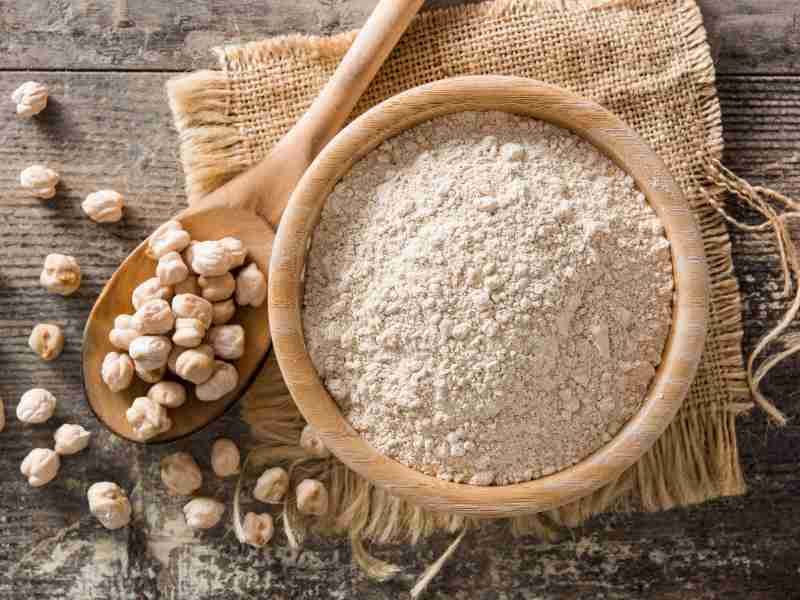
- Rice flour, almond flour, chickpea flour, oat flour.
- Uses: Gluten-free baking, pancakes, breads, cakes.
- Notes: Often combined with gums or starches to mimic gluten structure.
Specialty Flours
- 00 Flour (Italy)
Very finely milled, soft; ideal for pasta and pizza.
- 000 / 0000 Flours (Latin America / Italy)
Graded by fineness; used in breads, cakes, and pastries.
- Spelt Flour
Ancient grain; nutty flavor, used in breads and pasta.
- Rye Flour
Dense, earthy; traditional in rye breads and sourdough.
- Buckwheat Flour
Strong, nutty; for pancakes, soba noodles, and crepes.
Flour Names Around the World (Including Greece)
USA / Canada:
- All-Purpose Flour: Medium protein; general baking
- Bread Flour: High protein; yeast breads
- Cake Flour: Low protein; cakes and pastries
Italy:
- Farina 00: Very fine; pasta, pizza, delicate pastries
- Farina 0: Slightly coarser; bread, pastries
- Farina 1: Medium-coarse; rustic bread
Argentina / Latin America:
- 0000: Extra-fine; pastries, cakes
- 000: Fine; breads, rolls
France
- T45: Cake flour
- T55: Bread flour
- T65: Rustic breads, baguettes
- T80 / T110: Whole wheat, specialty breads
Germany / Central Europe
- Type 405: Cake flour
- Type 550: All-purpose / bread flour
- Type 1050: Darker, higher-fiber breads
Greece
- Αλεύρι για ψωμί (Alévri gia psomi): Bread flour, high gluten, for traditional yeast breads
- Αλεύρι για τσουρέκι (Alévri gia tsoureki): Slightly sweet, medium gluten; for Greek Easter bread (tsoureki)
- Αλεύρι για κέικ / γλυκά (Alévri gia keik / glyká): Cake flour, low protein; for cakes and pastries, galaktoboureko, sponge cakes, and other delicate desserts.
- Σιμιγδάλι (Semigdáli / Semolina): Coarse or fine; pasta, Greek desserts, halva
- Αλεύρι ολικής (Alévri olikís): Whole wheat flour; breads and rustic baked goods. It’s mixed with white flour for a more balanced texture
A Closer Look at Manitoba Flour

Manitoba flour is a high-protein wheat flour originally milled from grains grown in the Canadian province of Manitoba, famous for its hardy, strong wheat.
Over time, bakers adopted it for doughs that need exceptional strength, elasticity, and moisture absorption. Unlike regular bread flour, Manitoba can handle long fermentation, rich ingredients (like butter, eggs, and sugar), and high hydration without collapsing.
Manitoba is the flour behind some of the world’s most luxurious baked goods, including panettone, brioche, and festive breads like Greek tsoureki. In pizzerias, it’s often blended with other flours to achieve a crust that is light, chewy, and able to rise beautifully even after extended proofing.
When to Choose Manitoba vs. Bread Flour

Both Manitoba and bread flour are considered “strong” flours because of their high protein content, which gives dough elasticity and structure. But they are not interchangeable in every situation.
- Bread Flour (around 12–14% protein) is ideal for everyday breads, rolls, pita, and even pizza. It develops a good gluten network quickly, traps air well, and creates chewy yet tender doughs without being too stiff.
- Manitoba Flour (around 14–15% protein) is designed for long fermentation and heavily enriched doughs. It absorbs more water and can hold up to rich ingredients like butter, eggs, sugar, and milk without collapsing. That’s why it’s the flour of choice for panettone, brioche, tsoureki, and high-hydration pizza doughs.
If you use Manitoba in a simple bread recipe, you might need to add more water to avoid a dense result. If you use bread flour in a recipe designed for Manitoba, your dough may rise too fast and collapse or fail to develop the signature stretchy texture of rich, festive breads.
Tips for Choosing the Right Flour
- Consider protein content
Higher protein for chewy breads, lower for tender cakes.
- Experiment with blends
Mixing whole wheat with all-purpose flour can balance texture.
- Measure accurately
Use a kitchen scale; flour can compact, affecting recipe results.
- Store properly
Keep flour in a cool, dry place; whole-grain flours can go rancid faster.

Special Uses of Flour
- Thickening sauces
All-purpose or cornstarch.
- Breading & coatings
Cornmeal, rice flour, or all-purpose flour.
- Pasta making
00 flour or semolina for smooth, elastic dough.
- Baking artisan breads
Bread flour for structure; whole wheat or rye for flavor.
- Gluten-free recipes
Almond, oat, or chickpea flours.
Flour is a cornerstone of cooking and baking, with each type offering unique characteristics that influence texture, flavor, and structure.
Knowing which flour to use ensures your recipes turn out perfectly. Understanding international flour naming systems allows home cooks to adapt recipes worldwide with confidence.
Explore different types, experiment with blends, and discover how this simple ingredient can have a huge impact in your kitchen.




Pin for Later!
Guide to Choosing the Right Flour


Gabi Ancarola
Gabi is a travel writer who has lived in Crete for over a decade. Through her blog, Crete Insider, she has helped travelers uncover local experiences. Passionate about food and Cretan cuisine, she now attends Greek cooking lessons to bring the island’s flavors straight to your kitchen!
>> Interested in learning to cook in Crete, or discovering all of the top spots to eat in Chania and around the island? Book a food tour or plan your trip with me.


You May Also Like

Delicious Thanksgiving Side Dishes That Outshine the Turkey

7 Greek-Inspired Salads with Chickpeas
