
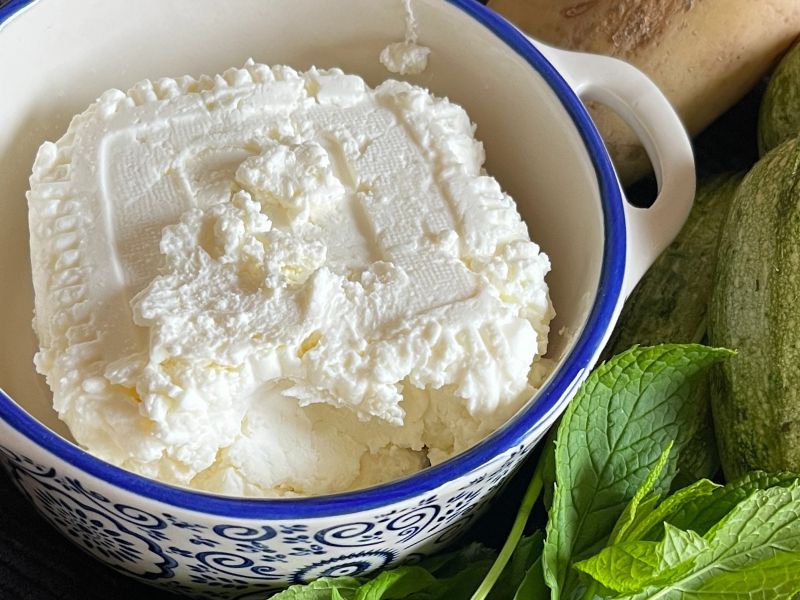
How to Replace Myzithra (When You Can’t Find It) and Still Keep That Cretan Soul
Yia sou! Here, Tolis and Gabi are writing together (yeah, one of those unique occasions). And when we share the kitchen, nothing makes us light up like that fresh, snow‑white mizithra—soft, creamy, with a subtly sweet milky tang. But we know how tricky it can be to track down true myzithra outside Crete. So let’s see how to replicate that spirit at home to use it in beloved Cretan recipes.
Join the My Cretan Recipe Facebook group.
The Heart of Myzithra, What It Is and Why It Matters

Traditionally, mizithra is a whey‑based cheese made from sheep’s or goat’s milk, or a blend of both.
The process is simple and pure: bring milk (or whey with added milk) to a gentle heat, curdle with rennet or an acid like lemon juice or vinegar, drain in a cheesecloth, and let it hang until thick and creamy.
We know what you’re thinking… easier said than done… mostly if you don’t live in Greece. You’ve got a point. Let’s keep going.
Myzithra is sold both fresh—soft, moist, just sweet—and in an aged, salted form, perfect for grating, especially over pasta or to make these snacks.
That fresh version is central to many Cretan pies (like sfakiani pita) and pastries—we want to capture that delicate texture and flavor, even when real mizithra isn’t available.
DIY Myzithra from Ricotta— Your Trusted Go‑to Substitute
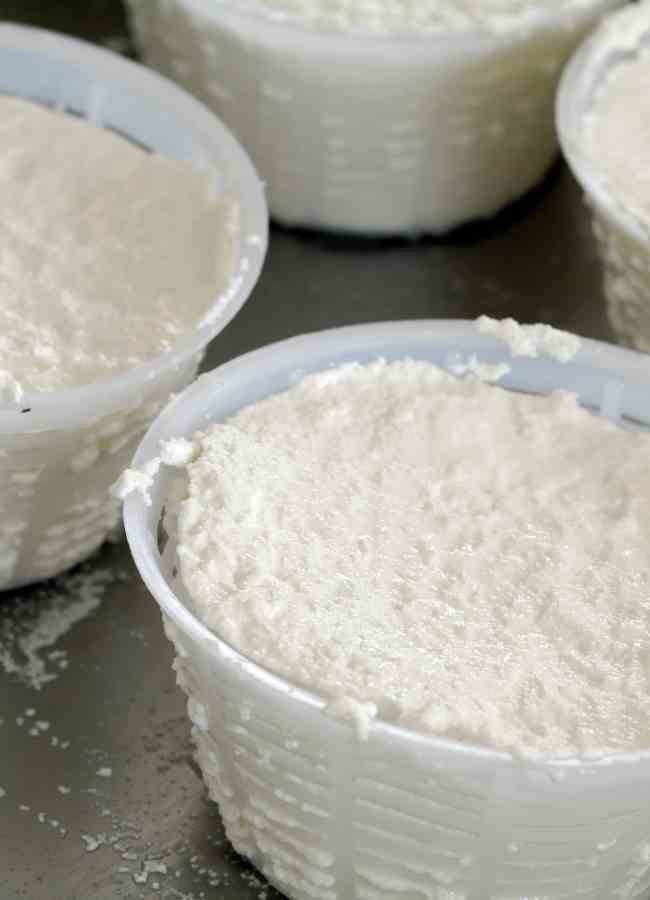
Here’s how you can turn ordinary ricotta into something that sings Cretan:
- Start with good ricotta, preferably whole‑milk and not watery.
- Strain it overnight (or at least 6 hours) in a cheesecloth or fine strainer set over a bowl in the fridge. Cover lightly so it doesn’t absorb fridge odors. This thickens the curds to a cream‑cheese consistency.
- Season lightly, if desired—just a pinch of salt, or even a whisper of lemon zest, depending on your dish.
- Optional: if you want a drier, grating style, leave it another day or two, optionally rubbing in a bit of salt and letting it air‑dry in a cool place.
This simple prep transforms ricotta into a slightly tangy cheese that closely mimics fresh myzithra. It’s perfectly Cretan in feel, if not in origin.

Other Smart Substitutes (When You’re in a Bind)
When even that isn’t possible, other options can step in, depending on the recipe:
- Ricotta salata: You can use this aged, salted Italian whey cheese, closer to dried mizithra. It’s great for grating over pasta.
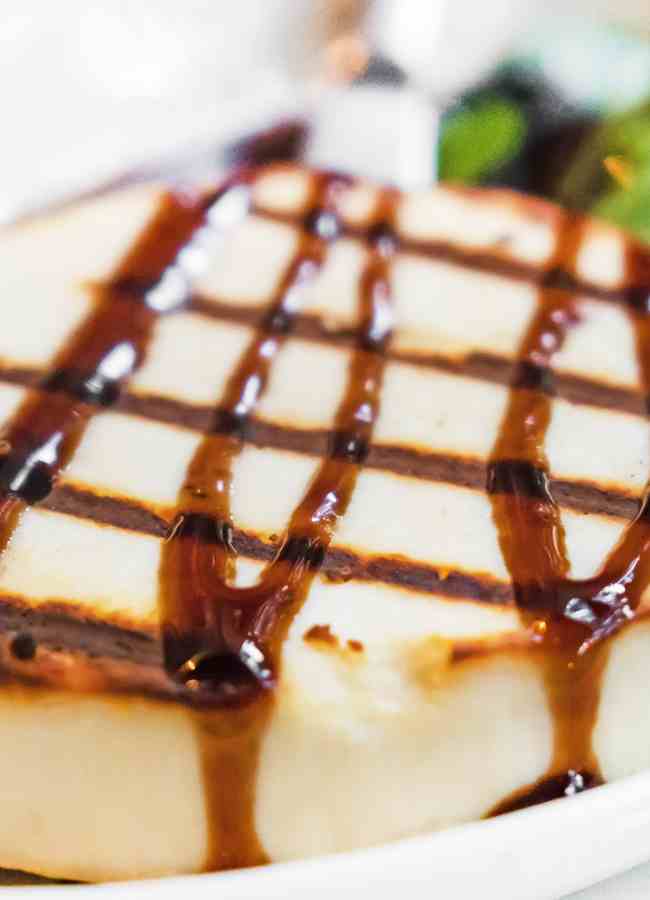
- Anthotyro or manouri (grilled manouri – photo) mixed with a little yogurt: Both are common Greek alternatives, especially in small cheesecakes and pies. Manouri can be easier to find than anthotyros.
- Mascarpone or mild soft cheeses—less authentic, but useful in desserts, paired with honey when making lychnarakia, kalitzounia, or anebata.
Getting Creative: Turning Tricks into Cretan Magic
Let us now share some ideas to get the most out of your homemade myzithra in your Cretan cooking:
- Sweet treats: In delicate pastries—like kalitsounia or other cheese tarts—your thickened ricotta is the perfect filling. Add a touch of semolina, sugar, lemon zest, or vanilla for lifted flavor.
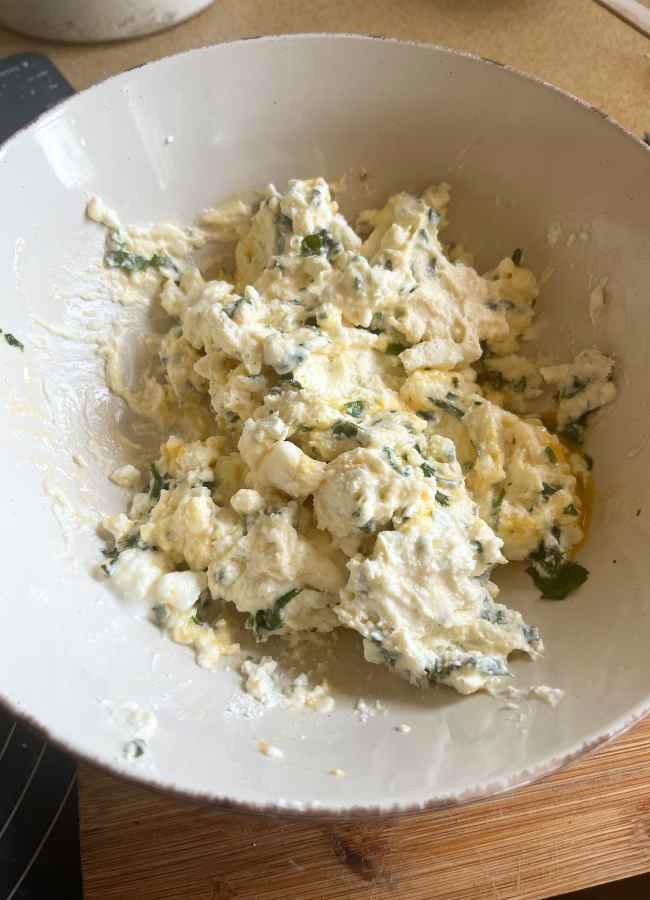
- Savory pies: Use a blend of strained ricotta with fresh herbs (like dill, mint, or marjoram), maybe crumbled feta for moisture and tang.
- Dusting on pasta: For the aged‑style effect, let your ricotta drain longer, then grate it over hot pasta with olive oil and cracked pepper.
- Honey drizzle: Across the board—sweet or savory—nothing whispers Cretan like honey drizzled over creamy cheese.
- Bake‑ahead baking: Fill pies and freeze before baking: shape, freeze, then egg‑wash and bake—just like freezing kalitsounia for guests. It’s a lifesaver for last‑minute entertaining.

From Our Kitchen: Tips That Save the Day
- Pantry‑friendly prep: Strained ricotta lasts up to 4 days in the fridge (or freeze it for longer). It’s great for those impromptu recipes.
- Flavor layering: A splash of lemon juice in your ricotta curds brightens the flavor, especially for sweet pies.
- Texture tests: After straining, feel the cheese—overnight gives softness; a day or two gives gentle firmness. Adjust the timing for your recipe’s needs.
- Flavor boosters: Herbs, citrus zest, a bit of honey, or a kiss of vanilla all transform that ricotta into something special.
- Save the whey: The liquid left behind is liquid gold! Use it in doughs or soups.
A Quick Note on Mizithra, Pichtogalo, and Xynomizithra
Before we dive in, let’s clear up some cheese confusion, because in Crete, names shift by region and tradition.
- Myzithra (or Mizithra) is the most well-known name for this fresh, soft cheese made from sheep’s or goat’s milk. It can be eaten fresh (unsalted and creamy) or aged (salted and firm for grating).
- Pichtogalo (Πηχτόγαλο Χανίων) is a PDO cheese specific to Chania. It’s similar to fresh mizithra in texture—soft, spreadable—but has a tangier taste and is made using a slightly different fermentation process.
- Xynomizithra (Ξινομυζήθρα) means “sour mizithra,” a naturally fermented, tangy version of the cheese often used in savory pies and salads. It’s aged slightly and carries a delightful sharpness.
Interestingly, the same cheese can go by different names depending on where you are in Crete. For example, what one cheesemaker in Heraklion calls “myzithra,” someone in Chania might label “pichtogalo”—even if the base method is nearly identical.
So don’t be surprised if you hear mixed names for what seems like the same cheese. That’s just part of the island’s rich food identity—deeply local, proudly regional, and always delicious.

Comparison:
Mizithra
Texture: Soft (fresh) or firm (aged)
Flavor profile: Mild, milky (fresh) or salty (aged)
Uses: Pastries, pasta, pies
Main region: Island-wide
Xynomizithra
Texture: Crumbly, slightly grainy
Flavor profile: Tangy, sour, fermented
Uses: Savory pies (like kalitsounia), salads
Main region: Mostly Chania & western Crete
Pichtogalo
Texture: Very soft, creamy, spreadable
Flavor profile: Slightly tangy, rich
Uses: Spread on bread, pies
Main region: Chania (PDO protected)
Ricotta (strained)
Texture: Soft, thickened
Flavor profile: Mild, slightly sweet
Uses: Substitute for fresh mizithra (among many other uses)
Main region: Italy (imported/global)
PDO Cheese Designations in Crete

PDO stands for Protected Designation of Origin, a European Union certification that protects traditional food products tied to a specific place. In Crete, several beloved cheeses hold this prestigious status:
Cheese name: Pichtogalo Chanion
Region of origin: Chania
Texture: Very soft, creamy
Flavor profile: Mildly tangy, rich
Use: Spreads, savory pies
Cheese name: Myzithra
Region of origin: Island-wide
Texture: Soft or aged
Flavor profile: Mild (fresh) / salty (aged)
Use: Pies, pastries, pasta
Cheese name: Xynomyzithra
Region of origin: Crete (mainly west)
Texture: Crumbly
Flavor profile: Tart, fermented
Uses: Kalitsounia, dakos, salads
Cheese name: Xygalo Sitias
Region of origin: Sitia (East Crete)
Texture: Spoonable, soft
Flavor profile: Sitia (East Crete)
Uses: Mezze, salads, table cheese
Note: While “myzithra” is not always recognized as a PDO in all its forms, Xynomyzithra Kritis, Pichtogalo Chanion, and Xygalo Sitias are officially protected—each tied to its region’s unique terroir and technique.
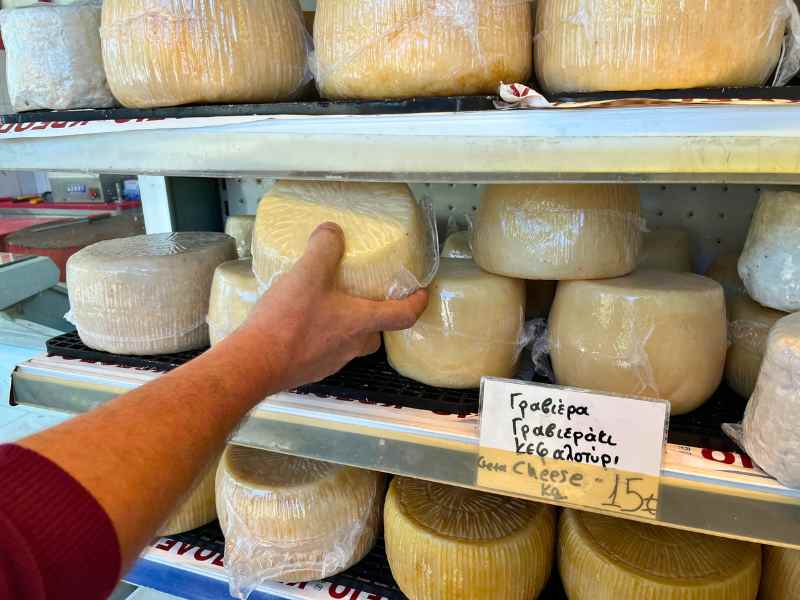
Another delicious Cretan cheese is Malaka (Tiromalama or Malaka Cheese). This is a traditional Cretan curd cheese, typically made from sheep’s milk during the early stages of graviera cheese production, before the curds are aged.
If you ever visit Crete or find a good Greek specialty store, trying malaka cheese in a fried kalitsounia is a must.
Bringing It All Home: Keep the Cretan Heart in Your Cheese
Creating a ricotta-based myzithra lets you honor the Cretan culinary spirit, even when the real deal is out of reach. So go ahead—strain that ricotta, play with flavors, embrace the music of Cretan food—and let your kitchen be lifted by that taste of home, wherever you are.


Pin for Later!
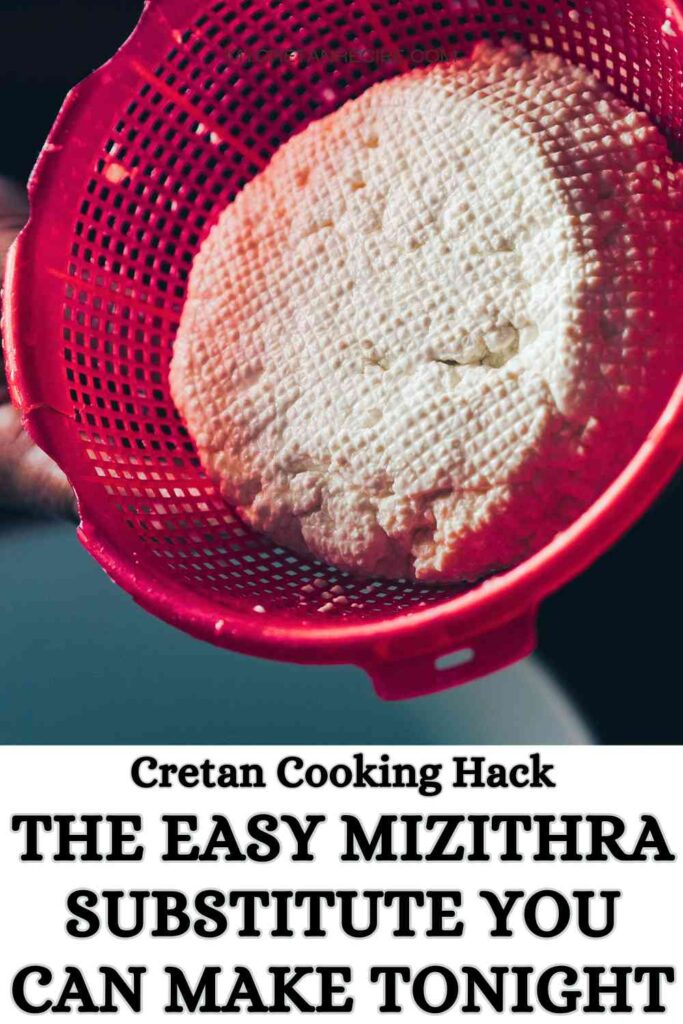
How to Replace Myzithra


Apostolis (Tolis)
Born and raised in Chania, Apostolis is a proud Cretan and devoted foodie with a passion for his island’s flavors. He brings a wealth of local knowledge, from forgotten cooking techniques to rare village recipes, always striving to preserve Crete’s culinary heritage. As the main voice behind most of our Cretan recipes, he prefers to stay behind the scenes, letting the food and its stories take center stage—always real, always authentic.
>> Interested in learning to cook in Crete, or discovering all of the top spots to eat in Chania and around the island? Book a food tour or plan your trip with me.


You May Also Like

Greek-Inspired 4th of July Food Ideas to Pair with Your Barbecue (Plus a Sweet Bonus Treat!)

Authentic Greek Avocado Toast with Feta That’s So Easy to Make!
