
The Ultimate Guide to Essences, Flavors, and Extracts in Baking
Essences, flavors, and extracts are the invisible magic behind every memorable bake. From the warmth of vanilla to almond extract, or orange zest, these ingredients can transform cakes, cookies, breads, and pastries from ordinary to extraordinary. And it’s essential to understand their types, uses, and differences if you want to become a successful home baker!
Join the My Cretan Recipe Facebook group.
When it comes to baking, flavor is just as important as texture or appearance. A perfectly baked cake can fall flat without the right flavoring. This is where extracts, essences, and flavorings come in. While they may seem like small additions, these ingredients have the power to transform a plain cookie into a signature treat or a basic bread into a fragrant artisanal loaf.

Bakers often get confused by the wide array of options: pure extracts, artificial flavors, natural essences, concentrated oils, and infused pastes.
Each type behaves differently, has different strengths, and interacts uniquely with other ingredients. Misunderstanding their properties can lead to overpowering or underwhelming results, wasted ingredients, and frustration… trust me, I’ve been there!

I’ve read a lot and tested in my own kitchen to bring you this comprehensive guide that will demystify flavors, extracts, and essences. I will explain to you their differences, how to use them, their common varieties, and practical tips for achieving maximum flavor in your baking.
Flavors, Extracts, and Essences… Are They The Same Thing?

Before diving into specific types and uses, it’s important to define these terms:
- Flavors
This is a general term to classify ingredients that add taste or aroma to baked goods. Flavors can come naturally from spices, fruits, nuts, herbs, or synthetic sources.
- Extracts
These are concentrated solutions of flavor, usually obtained by soaking the natural ingredients in alcohol or another solvent to pull out the flavor compounds. Examples include vanilla extract, almond extract, and lemon extract.
- Essences
They are similar to extracts but often more concentrated. Sometimes they can be synthetic. They provide strong flavor without necessarily being derived from the original food. Vanilla essence is a common example.
- Oils and Pastes
Concentrated oils (like orange oil or peppermint oil) and nut or spice pastes (almond paste, ginger paste) are also used to impart strong, natural flavor.

- Zest
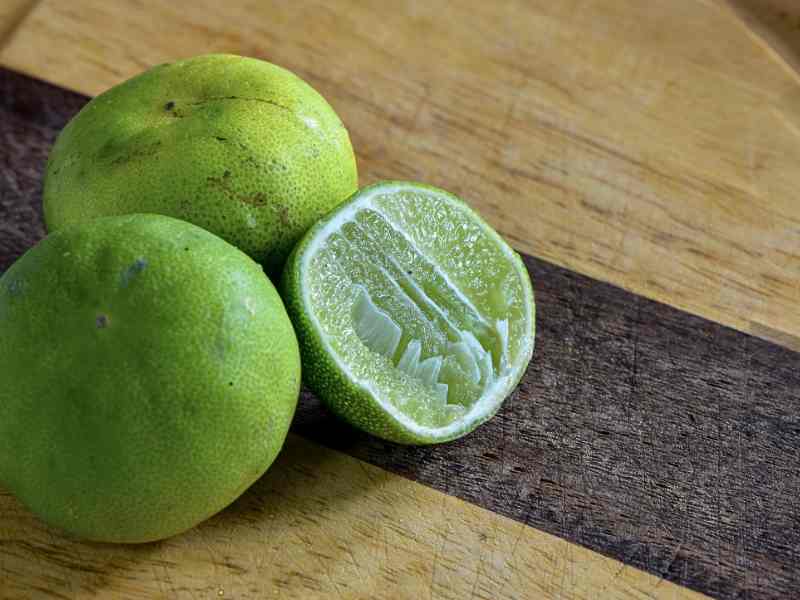
The outer peel of citrus fruits (like lemon, orange, or lime), rich in essential oils. Zest provides a burst of bright, natural flavor and aroma without added liquid or alcohol.
- Floral Waters
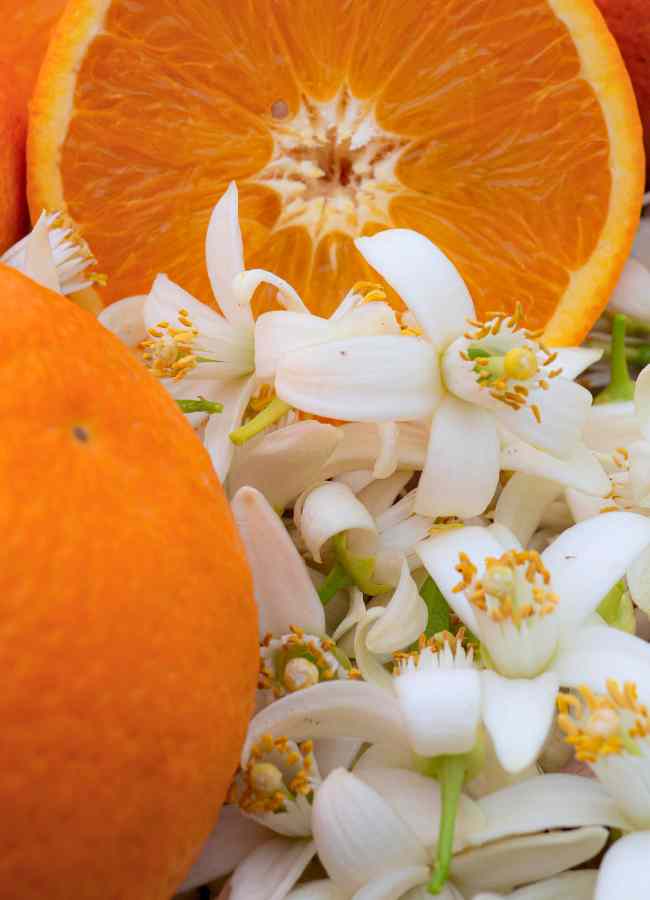
Distilled waters infused with blossoms, such as rose water or orange flower water. They provide a delicate floral aroma and flavor without adding liquid fat or sweetness. They are commonly used in Mediterranean and Middle Eastern baking to add delicate floral notes.
Key difference: Extracts usually contain alcohol and are generally pure, natural flavors, whereas essences can be artificial or imitative. Oils, pastes, zest, and flower waters, on the other hand, are direct natural sources of flavor or aroma; flower waters offer a subtle floral fragrance, zest provides a fresh citrus brightness, oils and pastes can give stronger intensity without processing or dilution.
Types of Flavors, Extracts, and Essences
1. Vanilla

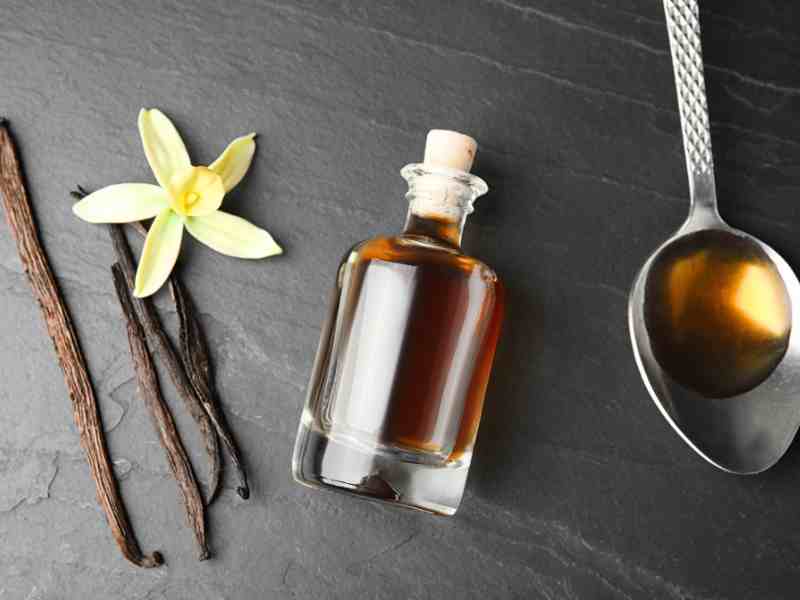
- Forms: Pure vanilla extract, vanilla essence, vanilla paste, vanilla bean.
- Uses: Cakes, cookies, custards, ice creams, frosting, and pastries.
- Notes: Pure vanilla extract has a deeper, more complex flavor than essence. Vanilla bean paste adds visible specks and aroma. Vanilla beans give the most natural flavor, but are more expensive — use them for special recipes.
- Beans: Whole vanilla beans provide the most natural, intense flavor and can be scraped directly into batters or custards for maximum impact.
Did You Know?
Vanilla comes from the orchid family — it’s actually the fruit of a tropical orchid plant! That’s why vanilla beans are technically pods, and the plant itself is a climbing orchid vine.
2. Almond

- Forms: Almond extract, almond oil.
- Uses: Cookies (like amaretti), frangipane, cakes, pastries.
- Notes: Very strong — only a few drops are usually enough. Almond flavor combines beautifully with chocolate, cherries, and other fruit flavors. Almond oil adds intensity without extra liquid.
3. Citrus
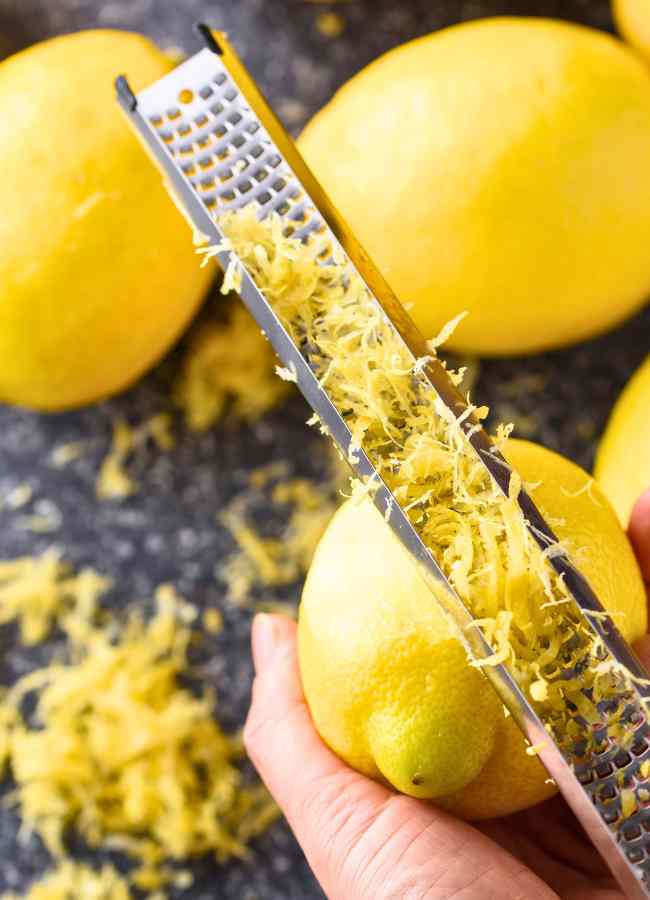
- Forms: Lemon extract, orange extract, citrus oils, zest.
- Uses: Cakes, glazes, meringues, syrups, fillings.
- Notes: Oils are stronger than extracts, while zest provides a bright, natural freshness without added liquid. Freshly grated zest releases essential oils that boost flavor more vividly than bottled extracts.
4. Mint and Herbal

- Forms: Peppermint extract, spearmint oil, rosemary essence.
- Uses: Chocolate desserts, candies, frostings, breads.
- Notes: Use sparingly because they’re often highly concentrated. Using too much can taste medicinal and easily overpower other flavors. Best when paired with chocolate or citrus to balance the sharpness.
5. Spice Flavors

- Forms: Cinnamon extract, ginger extract, clove essence.
- Uses: Cakes, cookies, pies, muffins, festive desserts.
- Notes: These extracts provide a smooth, uniform flavor and are ideal for batters and doughs where whole spices may alter the texture. They are great for holiday baking and warming flavors.
6. Nut and Seed Extracts

- Forms: Hazelnut extract, pecan or walnut extract, sesame oil, and even coconut extract.
- Uses: Cakes, chocolate confections, frostings, pastry fillings.
- Notes: They are strong and concentrated, so it’s better to use them carefully to avoid overpowering. Combine with vanilla or chocolate for depth and balance. Nut oils give a toasted, natural character.
7. Coffee and Chocolate
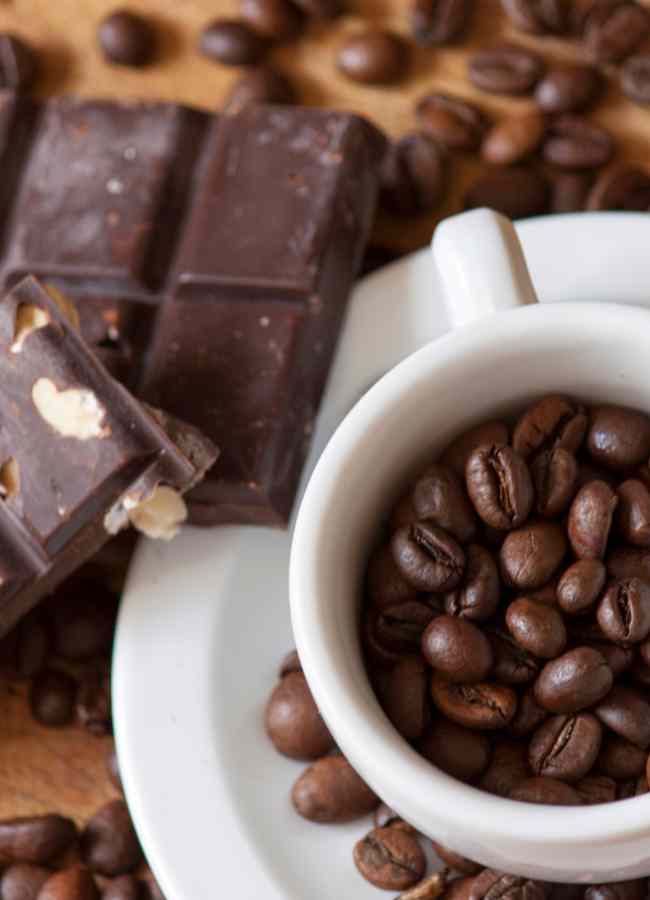
- Forms: Coffee extract, chocolate essence, cocoa nib pastes.
- Uses: Cakes, cookies, frostings, ganaches, mousses.
- Notes: Coffee extracts bring intensity without adding extra liquid or grit, making them ideal for smooth batters. Chocolate essences enhance cocoa flavor, while cocoa nib pastes add both taste and texture.
8. Flower Waters / Rose Water

- Forms: Rose water, orange blossom water, other floral infusions.
- Uses: Syrups, cookies, sweet breads, pastries, regional desserts like melomakarona, panettone, sweets with honey, etc.
- Notes: Very aromatic — a little goes a long way. Adds floral notes without adding fat or sugar; combining with citrus or nuts often brings out depth. Pure flower waters are mild compared to essences (which may be stronger or synthetic).
Natural vs Artificial: What’s the Difference?
- Natural extracts
They come from the original ingredient, usually in alcohol. For that reason, they are often slightly more expensive. Their flavor is rich and nuanced.
- Artificial essences
These are chemically produced compounds that mimic flavor. They tend to be cheaper and have a longer shelf life. They’re also more stable in heat, but can taste a bit flat.
>> REMEMBER: For premium baked goods or when serving guests, natural extracts generally produce a superior flavor profile. Artificial essences work fine for everyday baking or recipes where the flavor is not the star.
Forms and Concentrations

- Liquid extracts: Most common; easy to measure and mix into batters.
- Oils: Highly concentrated; a few drops are enough. Fat-soluble, so better for frostings, doughs, and ganaches.
- Pastes: Blend of extract and sugar or stabilizers; good for visual effect and intense flavor without thinning the batter.
- Powders: Less common; useful for dry mixes or frostings.
- Zest: Natural citrus peel; adds aroma and brightness without liquid. Freshly grated zest releases essential oils and can be incorporated into batters, doughs, glazes, or fillings.
- Floral waters: Delicate distilled waters from blossoms (rose water, orange blossom water are ideal for syrups, sweet breads, pastries, or glazes.
How to Use Flavors, Extracts, and Essences in Baking
Measuring and Adjusting
- Start small — flavorings are powerful. You can always add more, but you can’t take it out.
- Use the recipe’s recommended amount; most vanilla extracts require 1 teaspoon per cup of batter, almond a few drops, zest 1–2 teaspoons, and floral waters a few drops for a delicate aroma.
Timing
- Add extracts near the end of mixing to preserve the aroma.
- Oils, pastes, and floral waters can be added early or late, depending on the recipe.
- Zest can be folded in early to infuse flavor or sprinkled on top for garnish.
Balancing Flavors
- Sweetness and acidity can amplify or mute extracts. Lemon extract or zest brightens flavors; almond enhances richness; floral waters pair great with honey, nuts, and citrus.
- Taste as you go (when safe, e.g., before eggs are added) to adjust intensity.
Heat Sensitivity
- Most extracts are stable in baking temperatures.
- Essential oils, delicate flavors like mint, zest, and floral waters can degrade if exposed to high heat for long periods — for that reason, many recipes add them after baking (some biscuits, frostings, syrups, or glazes).
Pairing Flavors — classic combinations that enhance complexity:
- Vanilla + chocolate
- Almond + cherry
- Orange + ginger
- Orange + chocolate
- Lemon + lavender
- Mint + chocolate
- Rose water + honey
- Orange blossom + citrus
>> REMEMBER: Don’t overcomplicate, two complementary flavors often work better than multiple competing ones.
Common Mistakes and How to Avoid Them
- Too much extract
Overpowering the baked good; sometimes it can give a bitter taste to the finished cake or pastry. Always err on the side of caution.
- Confusing extracts and essences
Don’t assume that essence is the same as extract; check the concentration and the origin.
- Adding too early
Delicate (zest, waters) flavors can fade; consider adding them after baking for frostings, glazes, or fillings.
- Ignoring power
Oils and pastes are concentrated; a little goes a long way.
- Not tasting
Always taste batters or creams before baking to ensure balance.
Specialty Flavors and Modern Trends
Exotic extracts: Rose, lavender, cardamom, yuzu, passionfruit
These are used to improve contemporary pastries.
Homemade infusions: DIY extracts can be made by soaking herbs, spices, citrus peels, or flowers in vodka or glycerin.
Clean-label baking: Many bakers prefer natural or organic extracts to avoid artificial ingredients.
Zest and floral waters: They are popular in artisan and Mediterranean-inspired baking.
They provide natural aroma and subtle complexity without altering the texture.
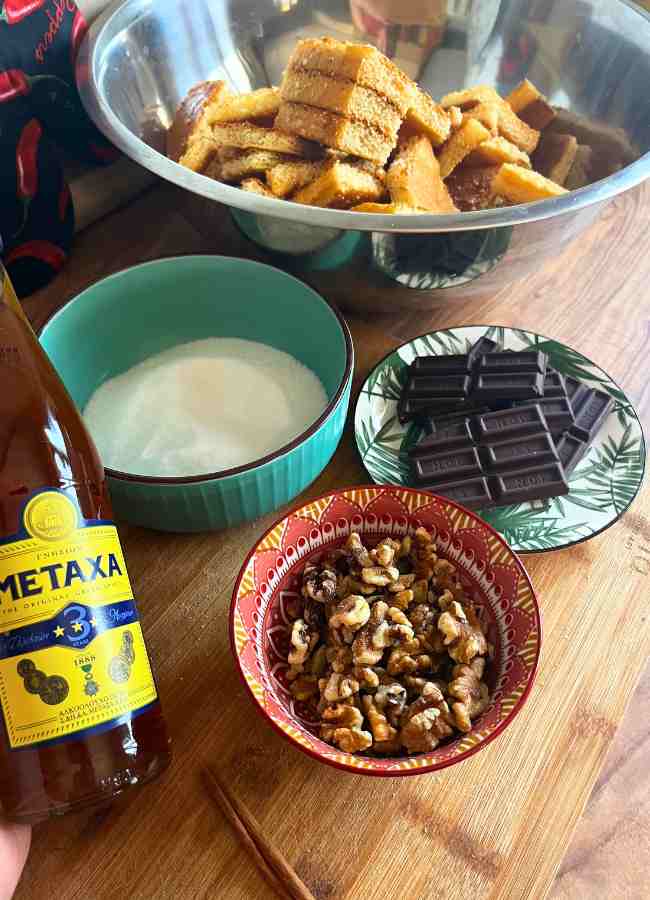
Alcohol for Flavor: Cognac, brandy, rum, or other spirits can enhance flavors in cakes, custards, and pastries. They add depth and aroma even if they’re not essences or extracts. Use them sparingly to avoid overpowering.
Storage Tips
- Keep extracts in a cool, dark place; avoid direct sunlight.
- Properly sealed, extracts can last 2–5 years, depending on the type.
- Oils and pastes may separate; so stir them before you use them.
- Avoid contaminating bottles with wet spoons or utensils to prevent spoilage.
Flavors, extracts, and essences are essential tools for every baker. They can turn simple ingredients into fantastic creations. I hope this guide allows you to craft cakes, cookies, and pastries with depth, balance, and flair.
Remember: start with the basics — vanilla, almond, citrus — and gradually explore exotic extracts and pastes to expand your flavor palette. With the right tips, a few drops of extract can make all the difference in your baking!
MORECOOKING GUIDES




Pin for Later!
Essences, Flavors, and Extracts in Baking

Gabi Ancarola
Gabi is a travel writer who has lived in Crete for over a decade. Through her blog, Crete Insider, she has helped travelers uncover local experiences. Passionate about food and Cretan cuisine, she now attends Greek cooking lessons to bring the island’s flavors straight to your kitchen!
>> Interested in learning to cook in Crete, or discovering all of the top spots to eat in Chania and around the island? Book a food tour or plan your trip with me.


You May Also Like

Best Homemade Thanksgiving Bread: Warm, Fresh, and Festive

Lenten Recipe: Greek Vegan Taramosalata Dip That’s Super Tasty!
