
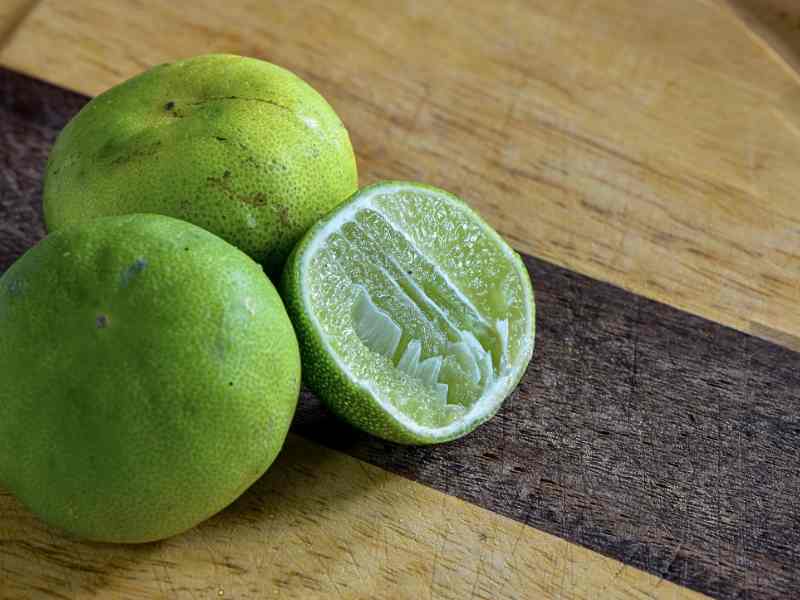
Acids and Sours in Mediterranean Cooking: A Complete Guide
Bright, fresh, and balanced flavors are at the heart of Mediterranean cuisine. Behind many of these flavors is one crucial element: acidity. Whether from vinegars, citrus, or fermented dairy, sourness adds life to a dish. It cuts through fats and oils, lifts herbs and spices, and ties together complex ingredients into something harmonious.
This guide explores the different sources of acidity used throughout the Mediterranean and how to use them to create balance and depth.
Join the My Cretan Recipe Facebook group.
Acidity Matters
Acidity isn’t just about taste — it’s about balance. In a dish with fat, salt, and spice, acid acts as a counterweight. It prevents food from tasting heavy, enhances freshness, and brings subtle ingredients forward. A touch of lemon on grilled fish, a splash of vinegar in lentils, or a dollop of Greek yogurt on roasted lamb can completely change the way a dish feels.
In traditional Mediterranean cooking, acidity is woven into recipes with care, often linked to seasonality, regional preferences, and local ingredients.
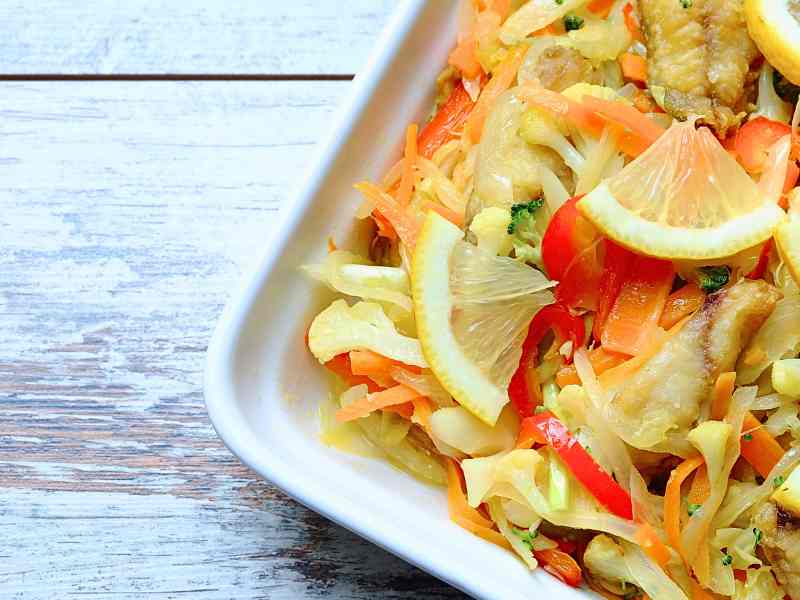
Vinegars
Vinegars bring sharpness and complexity, often with subtle sweetness depending on their origin and fermentation.
Wine Vinegar
- Common in Greece, Italy, France, and Spain, red and white wine vinegars are versatile. Use them in dressings, marinades, and pan deglazing.
- Red wine vinegar is slightly deeper and richer, ideal for meats and robust vegetables.
- White wine vinegar is lighter, perfect for seafood, salads, and delicate sauces.
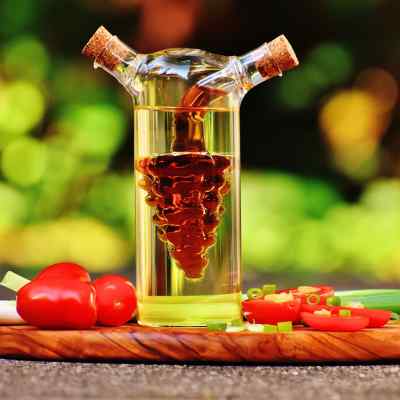
Balsamic Vinegar
- Originally from Italy, balsamic is dark, syrupy, and complex, with sweet and tangy layers.
- It’s excellent in glazes, on grilled vegetables, or drizzled over cheese and fruit.
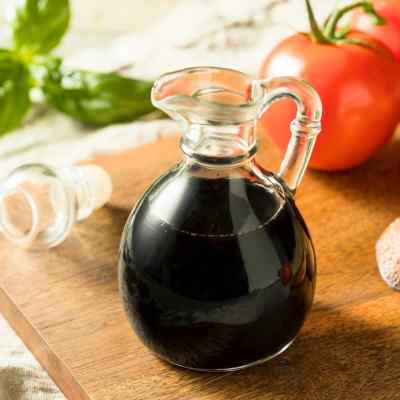
Pomegranate Molasses & Vinegar
- Popular in the Eastern Mediterranean and Middle East, pomegranate’s sweet-tart profile adds both acidity and fruitiness.
- It shines in marinades for poultry and lamb, salad dressings, and dips.
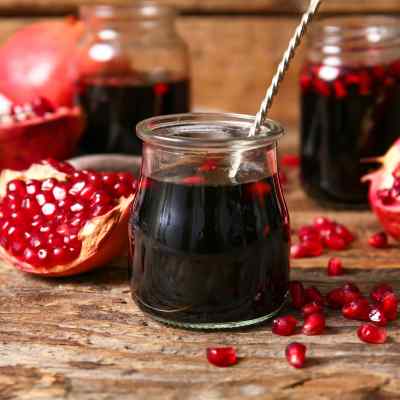
Other regional vinegars include sherry vinegar from Spain and date vinegar from the Levant, each contributing its own signature character.
Citrus Fruits

Citrus delivers clean, bright acidity — often at the final touch of cooking for maximum freshness.
- Lemon
The most universal citrus in Mediterranean cooking. A squeeze of lemon over grilled fish, salads, or soups enlivens a dish instantly. Lemon zest is equally valuable, carrying fragrant oils that provide flavor without extra sourness. - Bitter Orange
Found in certain Greek and Turkish preserves, sauces, and marinades, bitter orange is less sharp than lemon but more complex — a favorite for slow-cooked meats and festive sweets. - Other Citrus
Grapefruit, mandarin, and lime appear in some modern Mediterranean adaptations. Each adds its own balance of sweetness and tartness, influencing marinades, sauces, and dressings.
Fermented Dairy
One of the Mediterranean’s quietest but most influential acidic elements comes from fermented dairy. These ingredients combine richness and tang, simultaneously mellowing spicy or fatty dishes while adding body.
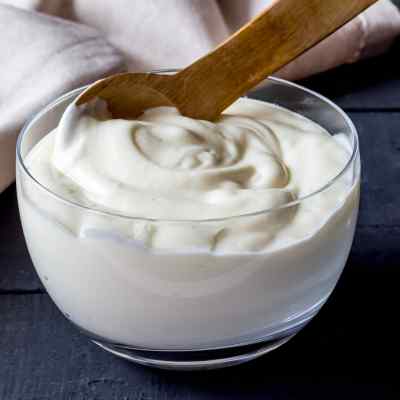
Yogurt
- Used throughout Greece, Turkey, and the Levant, yogurt serves as a cooling dip, sauce base, or marinade tenderizer.
- The natural lactic acid breaks down proteins, making meats juicy and flavorful.
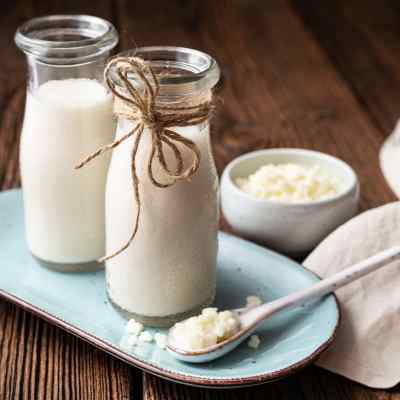
Kefir
- A drinkable fermented milk, kefir brings a tangy complexity to dressings, batters, and even soups.
- Its thinner texture allows it to blend easily.
Ayran
- A Turkish specialty — a simple mix of yogurt, water, and salt — is often served alongside grilled meats and rice dishes.
- It provides a refreshing sour-salty counterbalance to rich, spiced meals.

Buttermilk
- Though more common in Northern European and American kitchens, buttermilk occasionally appears in Mediterranean-inspired baking and batters.
- It’s especially useful in tenderizing doughs, pancakes, and fritters, as the acid helps activate baking soda and soften gluten, resulting in a delicate crumb.

Substitution tip: If you don’t have buttermilk on hand, you can easily make a quick version at home.
Add one tablespoon of lemon juice or white vinegar to one cup of milk, stir, and let it sit for about 10 minutes. The milk will curdle slightly and take on that gentle tang — perfect for baking or marinating.
Balancing Acid with Fat and Salt for Depth
Using acid effectively is about harmony, not dominance. A dish that tastes too sour feels unbalanced, while one with none at all can taste flat or heavy. Here are a few principles:
- Pair acid with fat
Fatty dishes — lamb shanks, creamy dips, fried foods — often need a squeeze of lemon or a splash of vinegar to cut through their weight. The result is a cleaner, more elegant finish.
- Balance with salt
Salt heightens flavor; acid brightens it. Together, they create dimension. For example, a Greek salad with feta (salty) and lemon or vinegar (acidic) tastes layered and complete.
- Use acid at different stages
Add some early (like wine vinegar in a braise) for mellow integration, and some just before serving (like lemon juice) for fresh top notes.
- Combine acids
Sometimes complexity comes from layering different types: a yogurt marinade plus a final squeeze of lemon, or pomegranate molasses balanced with a touch of wine vinegar.

Regional Examples
- Greek Avgolemono Soup
Uses lemon juice tempered into eggs, adding brightness and silky texture to chicken soup.
- Turkish Lentil Salad (Mercimek Salatası)
Combines pomegranate molasses and lemon for a layered, vibrant acidity.
- Italian Caprese Salad
A drizzle of balsamic vinegar enhances ripe tomatoes and mozzarella, balancing sweetness, creaminess, and herbal notes.
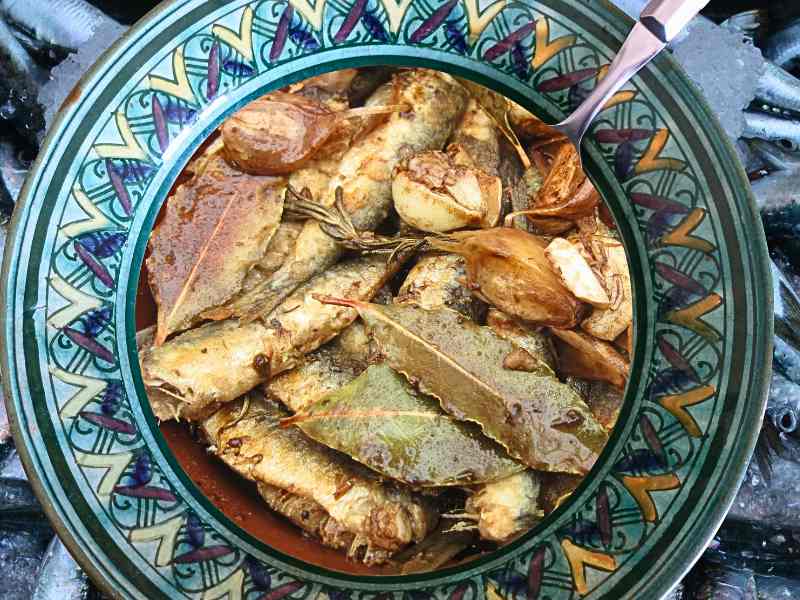
- Spanish Escabeche
Seafood or poultry cooked in a vinegar-based marinade, preserving and flavoring at the same time.
Acidity is one of the quiet forces behind Mediterranean cooking. It doesn’t seek attention on its own, but it shapes how every other flavor is perceived.
Mastering the use of vinegars, citrus, and fermented dairy gives you control over brightness, balance, and depth — both in a simple salad or a slow-cooked feast!
MORE COOKING GUIDES




Pin for Later!
Acids & Sours in Mediterranean Cooking

Gabi Ancarola
Gabi is a travel writer who has lived in Crete for over a decade. Through her blog, Crete Insider, she has helped travelers uncover local experiences. Passionate about food and Cretan cuisine, she now attends Greek cooking lessons to bring the island’s flavors straight to your kitchen!
>> Interested in learning to cook in Crete, or discovering all of the top spots to eat in Chania and around the island? Book a food tour or plan your trip with me.


You May Also Like

Traditional Greek Salad Recipe (Horiatiki Salata) & Unique Creative Variations!

The Ultimate Guide to Eggs in Cooking & Baking
