

Cooking Guide to Mediterranean Spices: Greek, Turkish & Middle Eastern Favorites
The Mediterranean area is a culinary crossroads. Over here, sun-drenched vegetables, olive oil, seafood, and grains meet the warmth and aroma of spices. Spices are the backbone of flavor here, and Middle Eastern cuisine elevates that even further with complex, aromatic blends. I love Mediterranean and Middle Eastern cooking because spices help create balanced dishes with memorable tastes! So, let’s dive deep into the essential spices, their uses, and how to create authentic spice blends at home.
Join the My Cretan Recipe Facebook group.
Spices: Heart of Mediterranean & Middle Eastern Cooking
Spices do more than flavor food. They provide:
- Depth & aroma
Warmth from cinnamon, tang from sumac, earthiness from cumin.
- Cultural identity
Spice combinations reflect centuries of trade and tradition.
- Balance
Sweet, earthy, and tangy notes combine to bring out the most of quite simple ingredients.
>> Mediterranean cooking uses spices to enhance, not overpower.
>> Middle Eastern cuisine adds another layer, balancing sweet, savory, tangy, and earthy flavors in every dish.
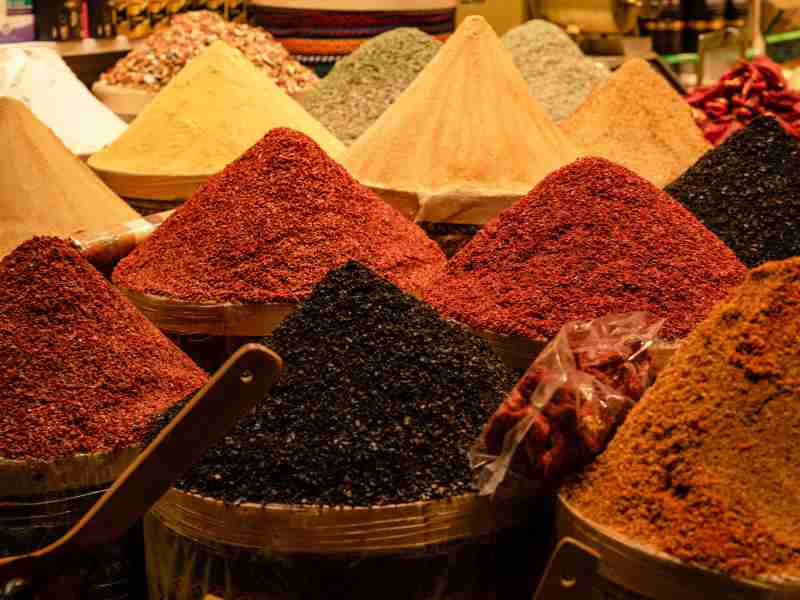
Essential Mediterranean & Middle Eastern Spices
Spices play a central role in Mediterranean and Middle Eastern cuisines. They will add different traits, such as earthy warmth, floral notes, and a bit of exotic flair. These are some of the most essential spices, along with tips on how to use them effectively:
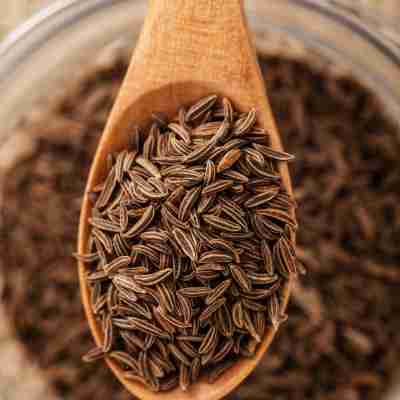
Cumin (Cuminum cyminum)
- Flavor: Earthy, warm, slightly nutty, with a hint of citrus.
- Origin: Native to the Eastern Mediterranean and Middle East.
- Uses: Foundational in Turkish köfte, Greek pilafs, Middle Eastern stews, and spice blends like baharat and ras el hanout. Perfect for roasting vegetables or seasoning meats.
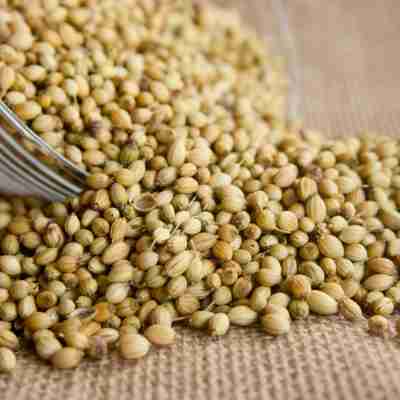
Coriander Seeds (Coriandrum sativum)
- Flavor: Citrusy, slightly sweet, aromatic; toasted seeds deepen the flavor.
- Origin: Native to the Mediterranean; widely used across Middle Eastern and North African cuisine.
- Uses: Ideal in meat rubs, vegetable dishes, curries, and spice blends. Ground coriander brightens soups, stews, and grain dishes.
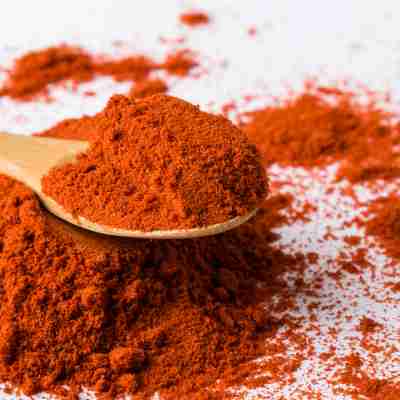
Paprika (Capsicum annuum)
- Flavor: Sweet, smoky, or mildly pungent depending on variety.
- Origin: Introduced to the region via Spain; now integral to Turkish, Greek, and Levantine cooking.
- Uses: Roasted vegetables, soups, stews, and spice rubs. Smoked paprika adds depth to lamb or beef dishes.
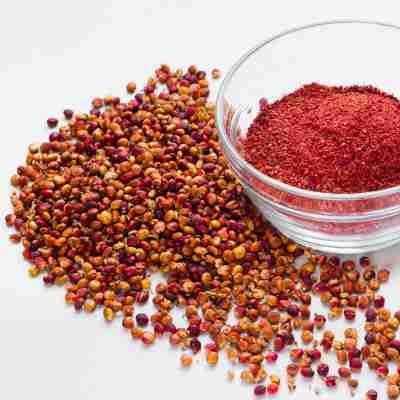
Sumac (Rhus coriaria)
- Flavor: Tangy, lemony, slightly astringent.
- Origin: Native to the Mediterranean and the Middle East.
- Uses: Brightens salads like fattoush, marinades for grilled meats, dips such as hummus or labneh, and sprinkled over roasted vegetables.
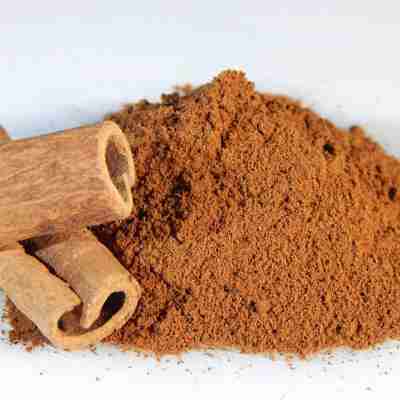
Cinnamon (Cinnamomum verum / C. cassia)
- Flavor: Sweet, woody, warm, slightly peppery.
- Origin: Imported historically via trade from Sri Lanka and India; now integral in Mediterranean and Middle Eastern dishes.
- Uses: In savory stews (lamb tagines, moussaka), pilafs, desserts, and spiced drinks. Adds warmth to sauces and marinades.
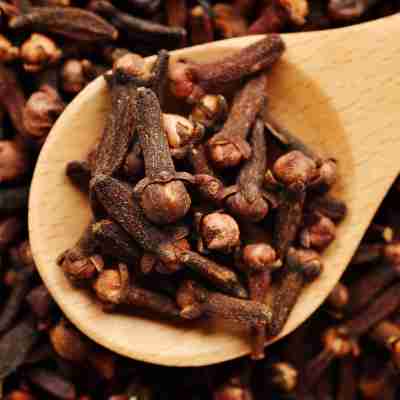
Clove (Syzygium aromaticum)
- Flavor: Warm, pungent, slightly sweet, intense aroma.
- Origin: Native to the Maluku Islands (Indonesia); widely adopted in Mediterranean and Middle Eastern cooking.
- Uses: Enhance stews, pilafs, braised meats, and some desserts. Often used whole or ground in spice blends like baharat or garam masala.
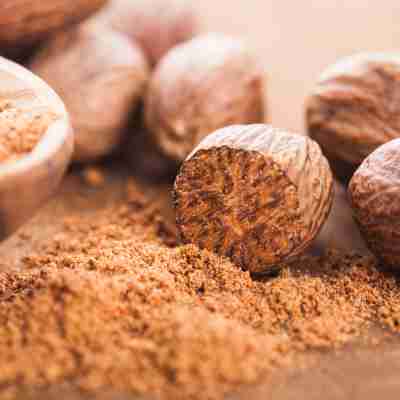
Nutmeg (Myristica fragrans)
- Flavor: Sweet, warm, slightly nutty, aromatic.
- Origin: Native to the Banda Islands in Indonesia (the Moluccas); traded historically across the Mediterranean.
- Uses: Adds depth to desserts, baked goods, savory stews, and rice dishes. Frequently paired with cinnamon, cloves, or allspice for layered flavors.
Allspice (Pimenta dioica)
- Flavor: Combines cinnamon, nutmeg, and clove notes in one warm, aromatic spice.
- Origin: Native to the Caribbean, introduced into Mediterranean and Middle Eastern cuisines through trade.
- Uses: Common in Turkish köfte, Middle Eastern meatballs, stews, pilafs, and even some sweet pastries.
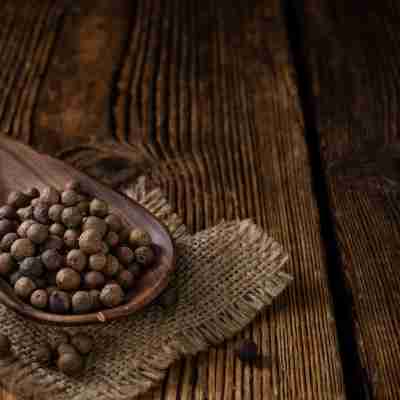
Black Pepper (Piper nigrum)
- Flavor: Pungent, slightly woody, versatile heat.
- Origin: Native to India; traded widely across the Mediterranean.
- Uses: Universal in both savory and some sweet dishes. Can be used whole, crushed, or freshly ground for maximum flavor.
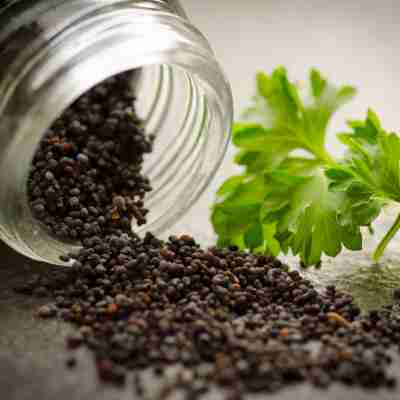
Saffron (Crocus sativus)
- Flavor: Floral, slightly honeyed, earthy undertone.
- Origin: Native to Iran; heavily used across the Mediterranean and Middle East.
- Uses: Elevates rice dishes like paella, Persian and Middle Eastern pilafs, seafood, and desserts. Steep threads in warm liquid before adding to dishes for the best aroma.
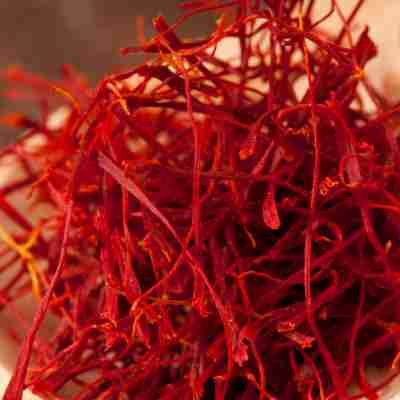
Cardamom (Elettaria cardamomum)
- Flavor: Sweet, slightly minty, aromatic, floral.
- Origin: Native to India; introduced to Mediterranean and Middle Eastern cuisines via trade.
- Uses: In desserts, pastries, spiced coffee, teas, and sometimes in savory stews or rice dishes. Both green and black varieties are used in different applications.
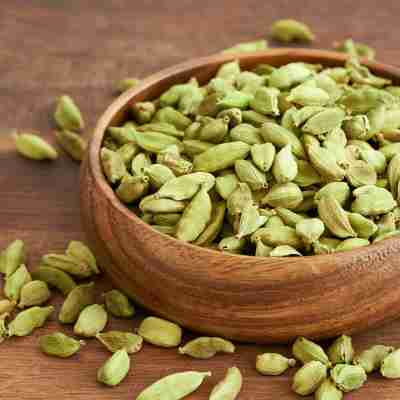
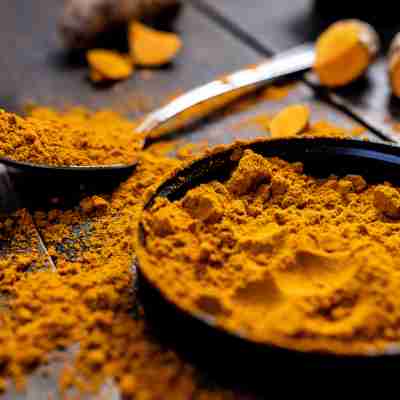
Turmeric (Curcuma longa)
- Flavor: Earthy, warm, slightly bitter, peppery.
- Origin: South Asia; adopted widely in the Middle East for its color and flavor.
- Uses: Middle Eastern pilafs, rice dishes, curries, soups, and spice blends. Adds golden color and subtle warmth.
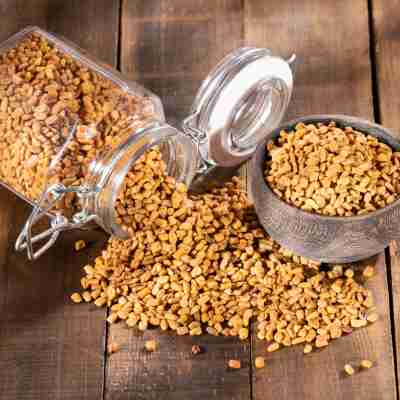
Fenugreek (Trigonella foenum-graecum)
- Flavor: Bitter-sweet, nutty, slightly maple-like aroma when toasted.
- Origin: Ancient cultivation in the Mediterranean, the Middle East, and India.
- Uses: Enhances lentil soups, vegetable stews, spice blends like baharat, and certain breads. Seeds or leaves may be used.
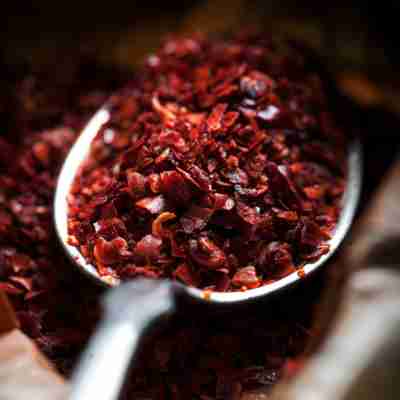
Aleppo Pepper / Pul Biber
- Flavor: Mild heat with fruity, slightly tangy notes.
- Origin: Syria and Turkey.
- Uses: Sprinkled over meats, roasted vegetables, soups, and salads. Adds gentle heat without overpowering a dish.
Optional Heat Additions
- Dried Chilies / Chili Flakes: For a fiery kick in stews, sauces, and marinades.
- Peperoncino: Small Italian chilies used in olive oil infusions, pasta, and roasted dishes.
- Harissa: North African chili paste, sometimes blended with cumin, coriander, and garlic for heat and complexity.
Spices in Greek Cuisine

Greek cooking favors subtle spice use:
- Cinnamon, Cloves, Nutmeg: Warmth in moussaka, meat pies, and stuffed vegetables.
- Paprika & Black Pepper: Adds color and gentle heat.
- Saffron: Island specialties like seafood risotto.
Greek cuisine highlights simplicity. Spices often accentuate olive oil, lemon, garlic, and fresh vegetables rather than dominate.
Spices I Love from Turkish Cuisine

Turkish cuisine uses bolder spice combinations, layering flavors in savory dishes:
- Cumin + Paprika: Core in meat, vegetables, and soups.
- Sumac: Tangy brightness for kebabs and salads.
- Allspice, Cloves, Cinnamon: Fragrant warmth in stews and pilafs.
- Nutmeg & Aleppo Pepper: Subtle depth and mild heat.
- Fenugreek: Slight bitterness in stews or lentil soups.
Layering spices in Turkish dishes creates complex, aromatic flavors that are both bold and harmonious.
Middle Eastern Spices I Enjoy Using in my Kitchen
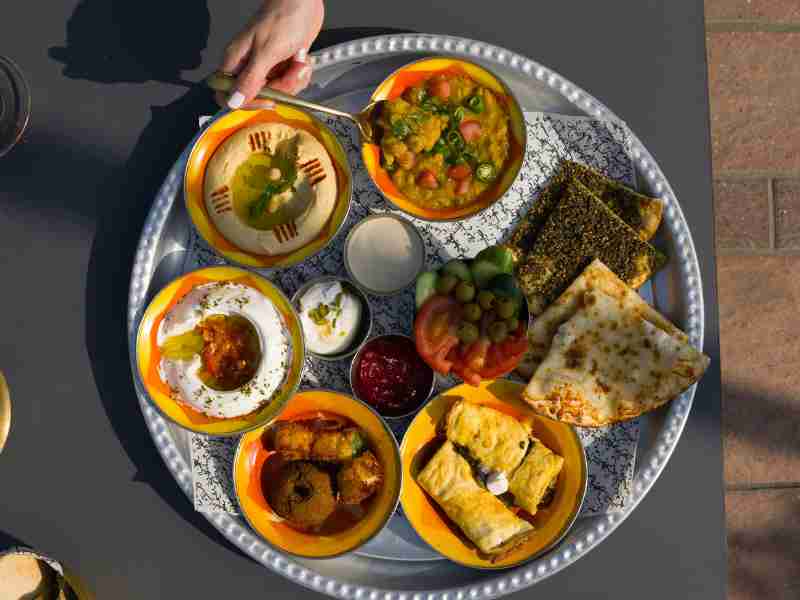
Middle Eastern cooking is all about spice blends. Dishes balance warmth, sweetness, tanginess, and earthiness:
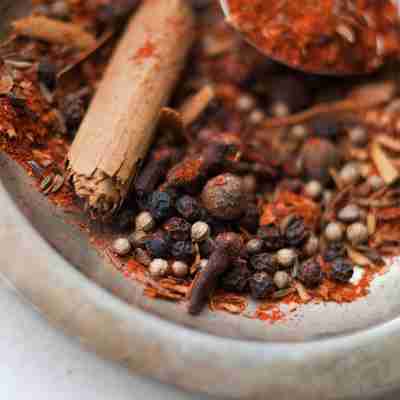
- Baharat: Traditional mix of black pepper, cumin, coriander, cinnamon, cloves, paprika, and nutmeg. Perfect on lamb, chicken, and roasted vegetables.
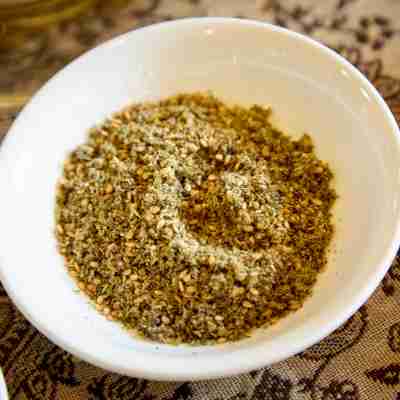
- Za’atar: Oregano, thyme, sumac, sesame seeds; sprinkled on bread, salads, or roasted meats.
- Ras el Hanout: Moroccan blend with up to 30 spices including cardamom, cinnamon, ginger, and turmeric; great for tagines.
What I love about Middle Eastern cooking is the harmony of spices, where sweet, earthy, and tangy notes are entwined, creating dishes that are aromatic, layered, and comforting.
How to Make Your Own Spice Blends
Baharat (Middle Eastern All-Purpose Spice Blend)
Ingredients:
- 2 tbsp black pepper
- 2 tbsp paprika
- 1 tbsp cumin
- 1 tbsp coriander seeds
- 1 tsp cinnamon
- ½ tsp cloves
- ½ tsp nutmeg
Instructions:
- Toast coriander and cumin seeds lightly in a dry pan.
- Grind toasted seeds with the remaining spices in a mortar or spice grinder.
- Store in an airtight jar for up to 6 months.
Uses: Sprinkle on lamb, chicken, roasted vegetables, or stews.
Za’atar (Mediterranean & Middle Eastern Herb-Spice Blend)
Ingredients:
- 2 tbsp dried oregano or thyme
- 1 tbsp sumac
- 1 tbsp toasted sesame seeds
- ½ tsp salt
Instructions:
- Combine ingredients in a small bowl.
- Use immediately or store in an airtight container.
Uses: Sprinkle on flatbreads, hummus, roasted vegetables, or grilled meats.
Greek Spice Blend
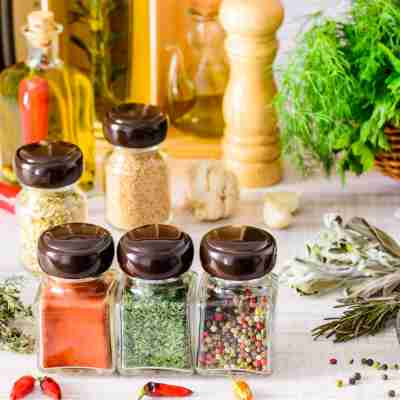
- 2 tsp ground oregano
- 1 tsp dried thyme
- ½ tsp paprika
- ½ tsp garlic powder
- ¼ tsp black pepper
Instructions:
- Mix all ingredients thoroughly.
- Use for lamb, chicken, roasted potatoes, or vegetable dishes.
Tips for Blending & Using Spices
- Toast seeds like cumin, coriander, or fennel for a deeper aroma.
- Mix small batches to preserve freshness.
- Layer spices: combine warm (cinnamon, allspice) with earthy (cumin, paprika) and bright (sumac) notes.
- Combine with olive oil or yogurt to make marinades or sauces.
- Adjust intensity according to taste; Mediterranean cooking favors aromatic depth over heat.
Unique Flavor Enhancers
Beyond traditional spices, some less common but distinctive Mediterranean and Middle Eastern ingredients add complex and unusual flavors:
Sesame Seeds (Sesamum indicum)
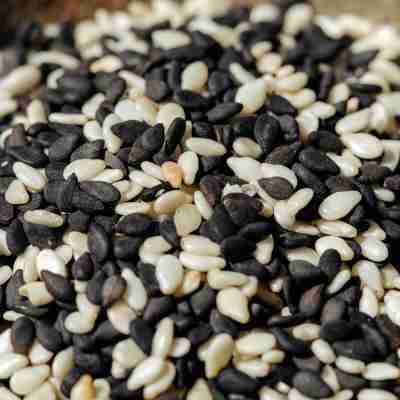
- Nutty and slightly sweet, these are sprinkled over breads, pastries, and cookies; ground into tahini for sauces, dips, and dressings; and added to savory dishes for crunch and flavor.
- White Sesame Seeds: Mild, sweet, nutty; more delicate than black sesame.
- Black Sesame Seeds: Stronger, nuttier, slightly bitter, more earthy than white sesame.
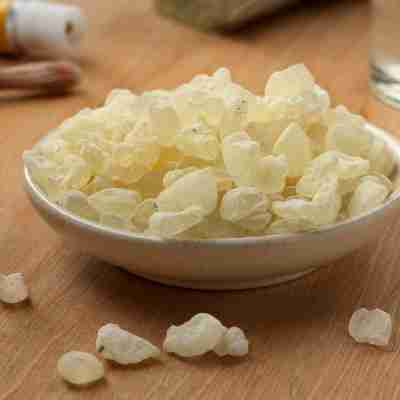
Masticha (Mastiha / Mastic Gum)
- Native to Chios, Greece. It has a pine-like, slightly sweet aroma and is used in desserts, breads, liqueurs, and even savory sauces. Adds subtle resinous warmth.
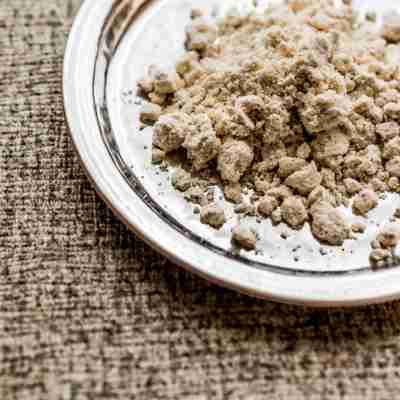
Mahlep or Maxlepi (Ma’aleppi / Carob Gum / Gum Tragacanth)
- Traditionally, from the Middle East, used as a stabilizer in desserts, drinks, and pastries, adding a unique mouthfeel and a slight earthy flavor.
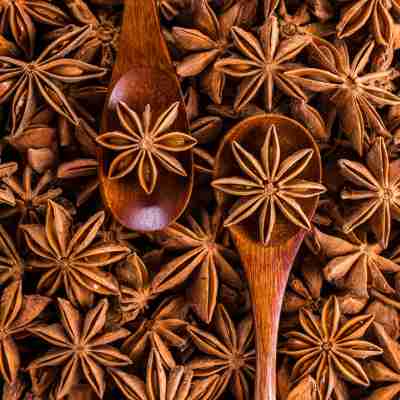
Star Anise
- Sweet, licorice-like; used in some Turkish and Middle Eastern stews, spice blends, and desserts. Adds depth and warmth.
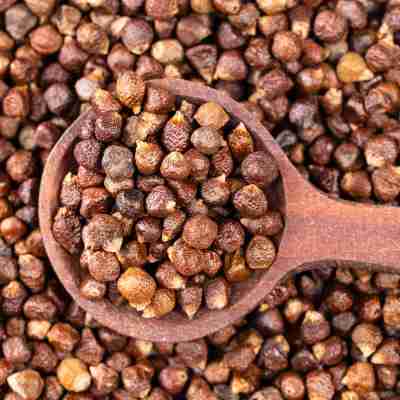
Grains of Paradise
- Peppery, slightly citrusy; sometimes used in Moroccan and Levantine cooking for subtle heat.
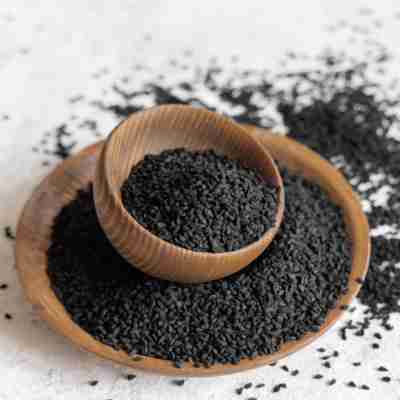
Nigella Seeds (Black Cumin / Kalonji)
- Slightly bitter, nutty; sprinkled on breads, pastries, and in some spice blends.
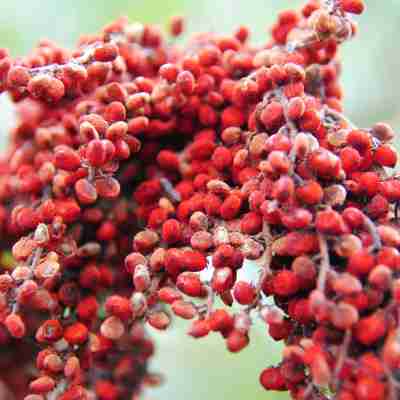
Sumac Berries (Whole)
- Can be toasted lightly to release aroma; adds extra acidity and fruitiness in spice blends.
These ingredients enhance dishes, offering flavors that are both aromatic and layered, perfect for replicating authentic Mediterranean and Middle Eastern dishes at home.
Tips for Storing Spices & Blends
- Use airtight containers and keep them away from heat, sunlight, and moisture.
- Prefer whole spices, and grind them as needed to preserve flavors and essential oils.
- Label with purchase dates; most last 6–12 months at peak flavor.
- Store delicate enhancers like mastiha in a cool, dry place to preserve aroma.
Spices are the soul of Mediterranean and Middle Eastern cooking. Greek cuisine uses them subtly, while they add layers and complexity in Turkish dishes and Middle Eastern cuisines. Aromatic blends are perfect if you seek subtle, nuanced flavors.




Pin for Later!
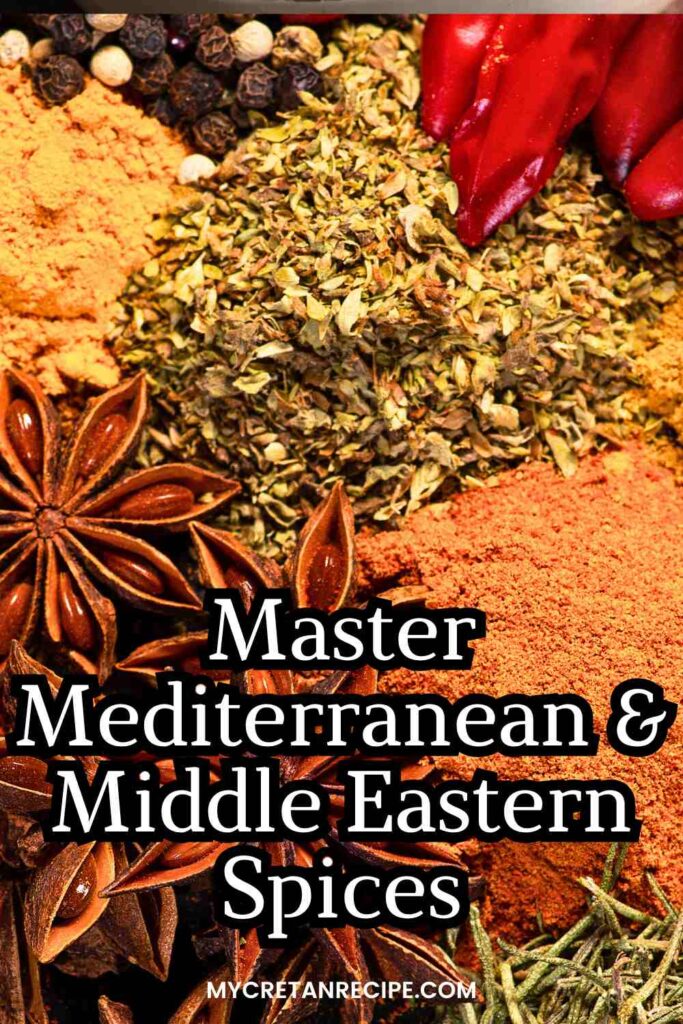
Spices in Mediterranean Cuisine

Gabi Ancarola
Gabi is a travel writer who has lived in Crete for over a decade. Through her blog, Crete Insider, she has helped travelers uncover local experiences. Passionate about food and Cretan cuisine, she now attends Greek cooking lessons to bring the island’s flavors straight to your kitchen!
>> Interested in learning to cook in Crete, or discovering all of the top spots to eat in Chania and around the island? Book a food tour or plan your trip with me.


You May Also Like

Melomakarona: Delicious Greek Christmas Cookies That You’ll Love!

Chocolate Chip Pumpkin Muffins – Soft, Spiced & Perfect for Fall
