
Cretan Wild Greens: The Ultimate Guide to Their Varieties, Benefits, and Culinary Uses
Cretan wild greens are a delicious and nutritious part of the island’s natural heritage. With around 300 different types of edible greens and herbs, these plants offer health benefits deeply rooted in Cretan culture and the Mediterranean diet.
Join the My Cretan Recipe Facebook group.
For centuries, Cretans have gathered these nutritious greens, locally known as “horta,” from the wild and have celebrated these foraged greens.
Today, many of these wild herbs, like Stamnagathi, are also cultivated, making them easy to find in local markets and restaurants.

Tasting and learning about Cretan wild greens can open up a new world of flavors and traditions, especially if you’re looking for new ingredients or you’re simply interested in local culinary practices.
Cretan Wild Greens
Cretan wild greens have held an important place in the culture and diet of Crete for centuries. Their significance goes back to ancient times when they were valued not just for their taste but also for their nutritional benefits.
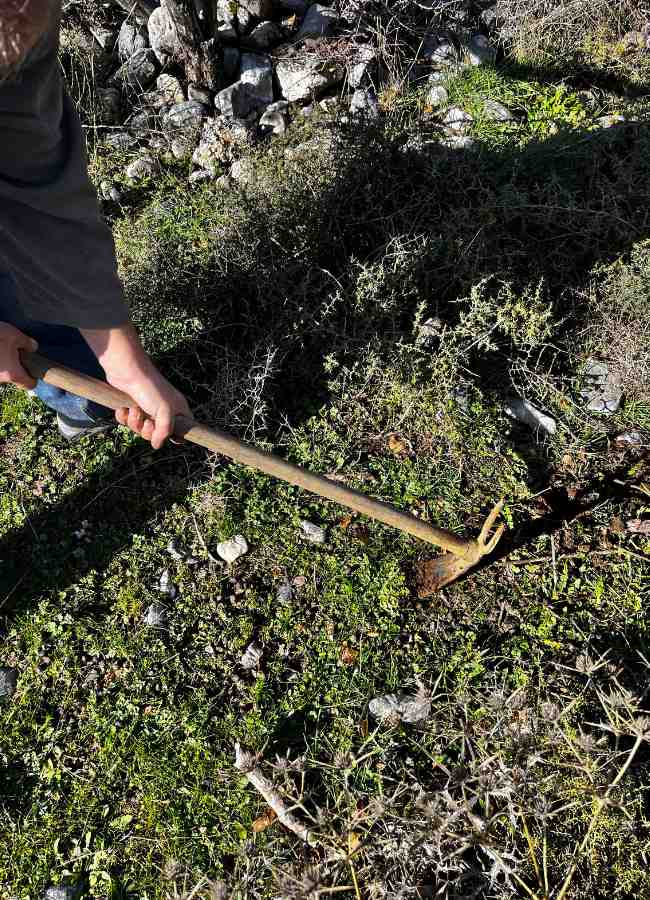
Traditionally, families would forage for these plants in the wild, connecting them to the land and its history. This practice has been passed down through generations, reflecting the island’s rich agricultural heritage.
Many wild greens are featured in local festivals and culinary traditions. They are often used in dishes that symbolize Cretan hospitality and communal eating. This cultural connection emphasizes the importance of maintaining these practices today, as they are crucial for the identity of the island’s residents.

Rich in minerals and vitamins, wild greens helped provide essential nutrients when, in ancient times, diets were heavily reliant on grains.
You can find references to these greens in ancient artwork and literature, highlighting their importance in ceremonial feasts and everyday meals.
In modern times, the historical knowledge of these greens continues to influence Cretan cuisine. You’ll often find dishes prepared with boiled or sautéed wild greens, showing that their nutritional legacy is still alive and well.

Varieties of Cretan Wild Greens
Cretan wild greens offer a rich diversity of flavors and textures, providing both nutrition and culinary delight. Let’s explore three popular varieties that define Cretan foraging culture.
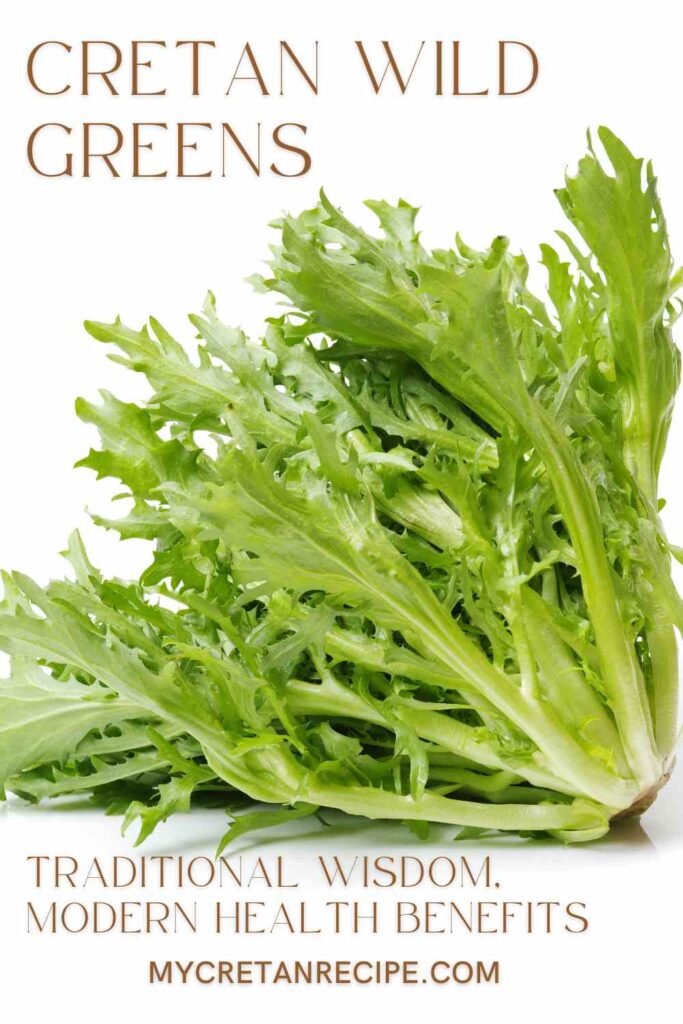
Horta refers to a broad category of wild greens found in Greece. You can find around 300 different edible greens, making it a forager’s paradise. Common types of horta include:
- Chicories: Slightly bitter, these greens are great in salads or cooked.
- Dandelion: Nutrient-rich, it offers a robust flavor.
- Purslane: These succulent leaves provide a unique texture.
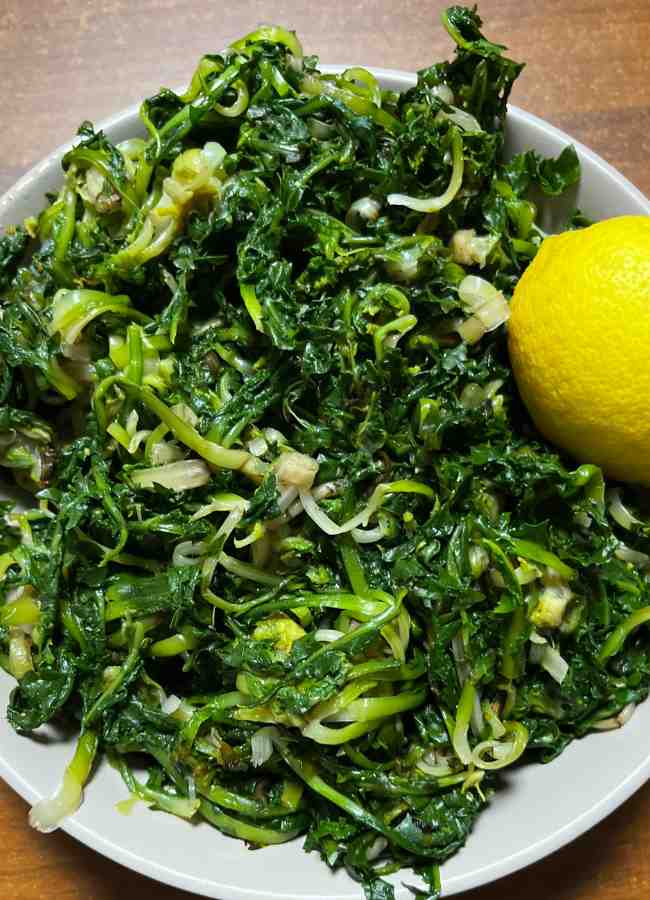
Horta is usually prepared simply by boiling or sautéing. It’s often served with olive oil and lemon, enhancing its flavors. This dish is not only tasty but also packed with vitamins and minerals, making it a staple in many Cretan homes.
Stamnagathi
Stamnagathi is a specific type of wild green that grows abundantly on Crete. Known for its sharp, spiky leaves, it has a slightly bitter taste and a crunchy texture.
You can enjoy stamnagathi sautéed, in pies, or steamed alongside other greens. Stamnagathi is often praised for its health benefits. It is rich in iron and other essential nutrients, making it a favorite among locals. Winter is the best time to forage for this green, as it is when it is most tender.
Vlita
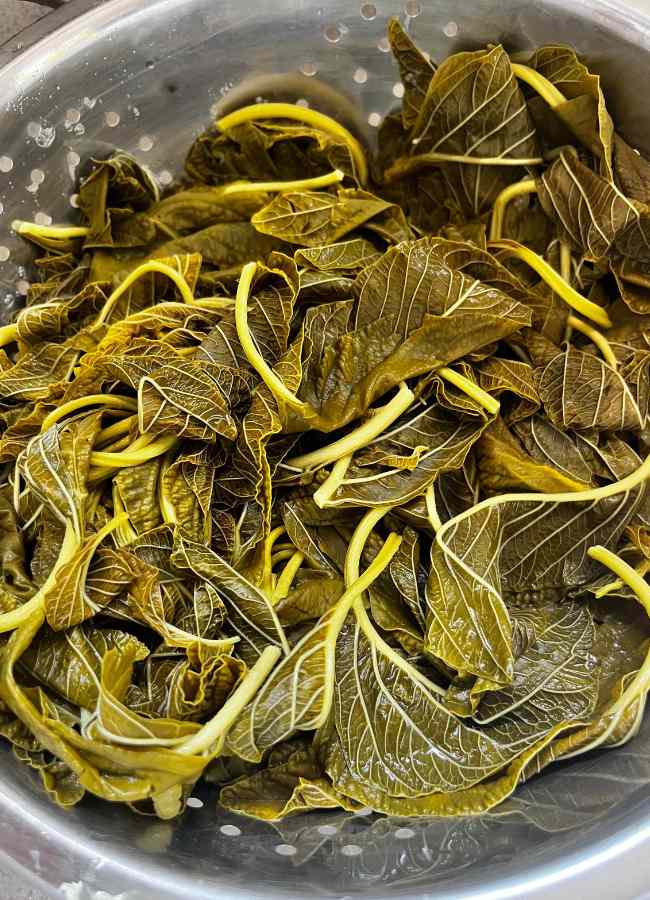
Vlita, also known as Cretan spinach or amaranth, is another popular wild green. This plant has broad leaves and a mild flavor, making it versatile in the kitchen.
Key uses of vlita include:
- Soups: They add depth and nutrition.
- Stews: Cooked vlita enhances many dishes.
Health-wise, vlita is a great source of vitamins A and C, along with iron and calcium. You can easily find it growing in fields and hillsides throughout Crete. Its mild taste makes vlita a great option for those looking to incorporate more greens into their meals without overwhelming flavors.

Benefits
Cretan wild greens are rich in vitamins, minerals, and other nutrients that contribute to your overall health. These greens not only provide essential dietary components but also have unique properties that support well-being.
Vitamins and Minerals
Cretan wild greens, such as stamnagathi and various species of horta, are packed with vitamins and minerals. They are especially rich in vitamins A, C, and K.
- Vitamin A: Supports vision and immune function.
- Vitamin C: Boosts your immune system and aids in collagen production.
- Vitamin K: Important for blood clotting and bone health.
Additionally, these greens contain essential minerals like iron, calcium, and magnesium. Iron is vital for creating red blood cells. Calcium supports bone health, and magnesium helps with muscle function. Including wild greens in your diet adds nutritious value to your daily needs.
Antioxidant Properties
Wild greens offer significant antioxidant benefits. They are rich in carotenoids, such as lutein and beta-carotene. These antioxidants help to combat oxidative stress in your body, protecting cells from damage caused by free radicals.
The presence of vitamin C also enhances these properties. Regular consumption of these greens may lower the risk of chronic diseases and support your overall health by neutralizing harmful substances in the body.
Dietary Fiber
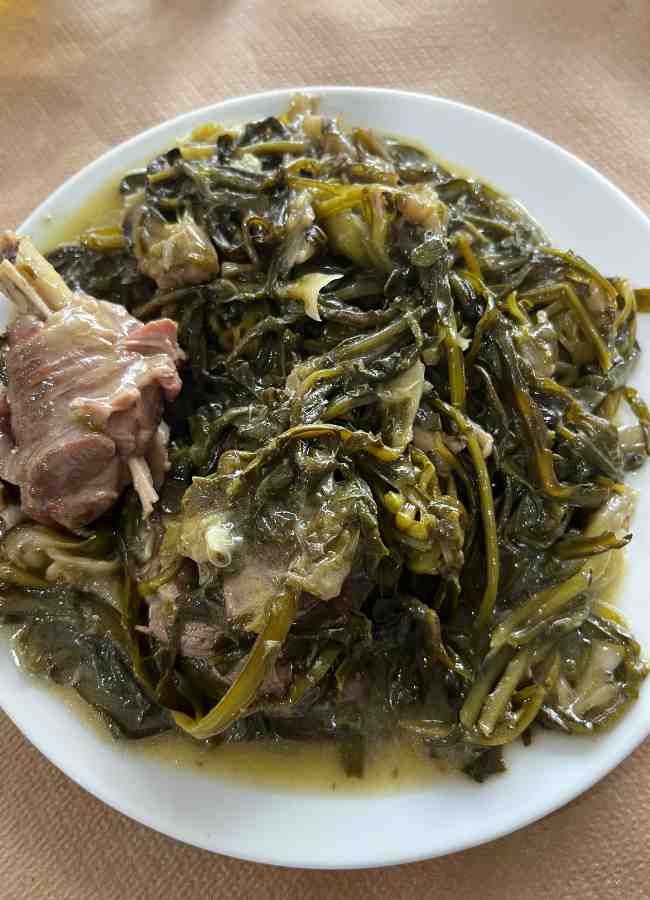
Cretan wild greens are a good source of dietary fiber, which helps maintain a healthy digestive system but also aids in weight management by promoting a feeling of fullness. Besides, fibers also help slow down the absorption of sugar, preventing spikes in blood sugar levels, and offering an overall improvement in your diet.




Pin For Later!
Cretan Wild Greens

Gabi Ancarola
Gabi is a travel writer who has lived in Crete for over a decade. Through her blog, Crete Insider, she has helped travelers uncover local experiences. Passionate about food and Cretan cuisine, she now attends Greek cooking lessons to bring the island’s flavors straight to your kitchen!
>> Interested in learning to cook in Crete, or discovering all of the top spots to eat in Chania and around the island? Book a food tour or plan your trip with me.


