

The Cretan Cheese Guide
If there’s one thing that captures the soul of Crete on a plate, it’s cheese. Honestly, I don’t think there’s a Cretan table—whether it’s breakfast with honey, a village feast, or a meze spread—that doesn’t feature at least one local cheese. From creamy myzithra to the nutty depth of graviera, these cheeses are a must-try!
Join the My Cretan Recipe Facebook group.
When I first moved to Crete, I quickly learned that cheese here isn’t just something you sprinkle over pasta—it’s an everyday staple. And what makes it so special?
The sheep and goats roaming freely across the island! Feeding on wild herbs, thyme, oregano, and mountain greens… That diet passes directly into the milk, giving Cretan cheeses their unforgettable flavor.

Here’s a tour of Crete’s most beloved cheeses—both famous and lesser-known—plus ideas on how to enjoy them like a local.
A History Carved in Stone
Cheesemaking in Crete is ancient—really ancient. We’re talking around 4,000 BC, when the first shepherds started domesticating sheep and goats.
Imagine those early cheesemakers working in their mitata—stone huts high in the mountains, still used today by shepherds to make and age cheese.
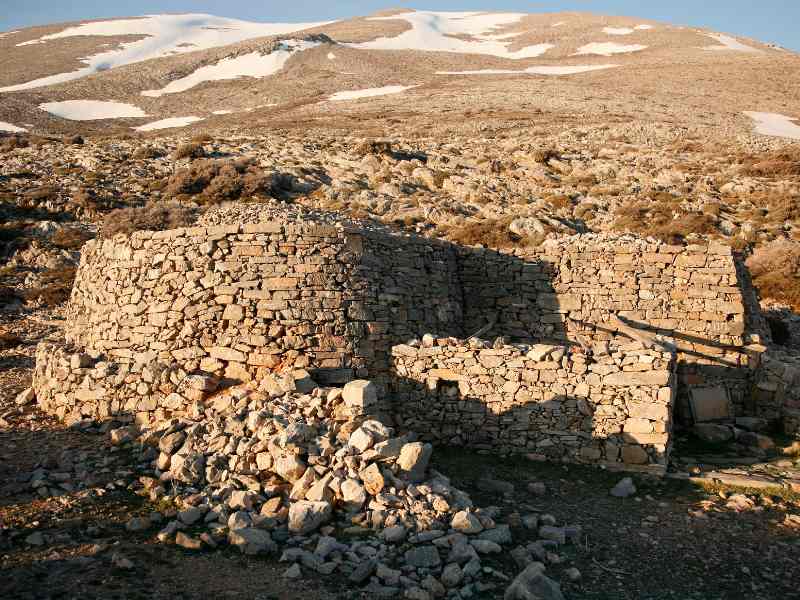
Archaeologists have even uncovered evidence of cheesemaking in Minoan sites, proving that cheese was not just sustenance but a way of life.
And if you ask me, there’s something so fascinating about the continuity—how the same land, animals, and methods are still part of daily life thousands of years later.
Cheese as Culture
In Crete, cheese is never “just cheese.” It carries identity, community, and ritual. From religious fasting dishes to festive celebrations, cheese is always on the table.
Sharing it—whether it’s a slice of graviera at a wedding feast or a spoonful of sweet myzithra in a pastry—creates bonds.
Each variety also reflects the local landscape: mountain pastures, coastal plains, and dry hillsides covered in herbs. Eating cheese here is like tasting the island itself.
The Big Players: Cretan Cheeses You Must Try
Graviera (Γραβιέρα)
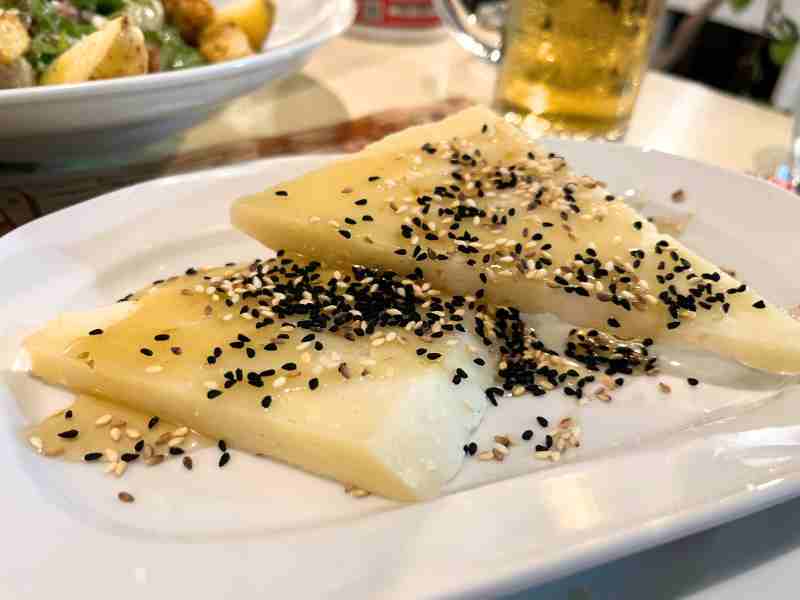
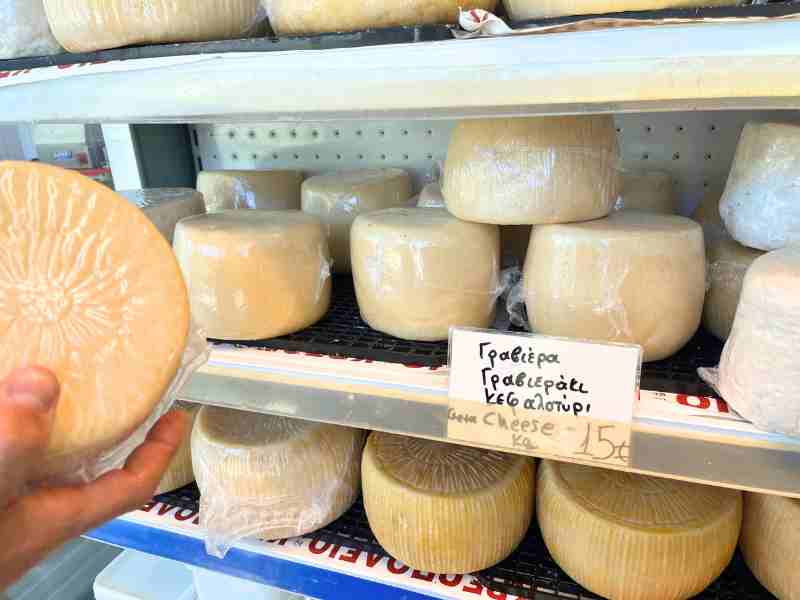
The king of Cretan cheeses! Semi-hard, golden, and rich with a slightly sweet nuttiness. Made mostly from sheep’s milk (sometimes blended with goat’s), graviera is aged for 3–6 months. Slice it and drizzle it with honey, grate it over pasta, or enjoy it with wine—it shines in every role.
>> Please note that we’re talking about Cretan Graviera (Γραβιέρα Κρήτης); other varieties are produced in the rest of Greece too.
Myzithra (Μυζήθρα)
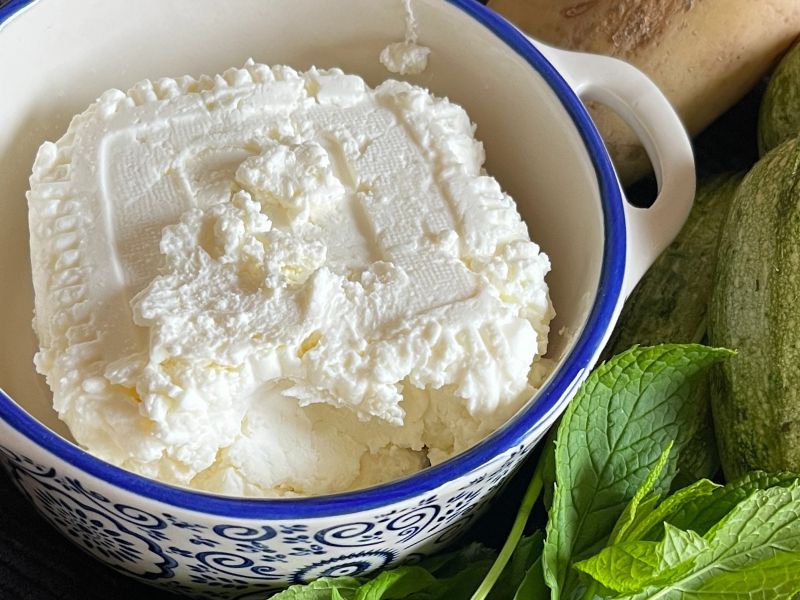
Soft, fresh, and slightly sweet. This cheese is made from sheep or goat milk (or both) and comes in two forms: fresh and aged. The fresh version is creamy, crumbly, and mild—perfect in pies and desserts. The aged version is hard, salty, and tangy, fantastic for grating over pasta.
Kefalograviera (Κεφαλογραβιέρα)

This robust, salty cheese is all about bold flavor. Firm and slightly tangy, it’s the star of saganaki—pan-fried until golden and served sizzling as an appetizer. It also grates beautifully over baked dishes.
Anthotyros (Ανθότυρος)
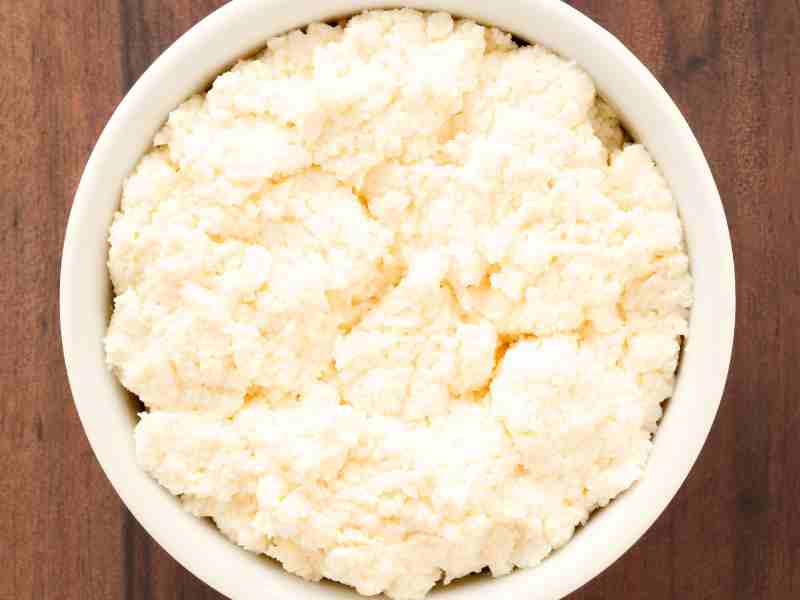
Think of this as Crete’s version of cottage cheese. Made from whey, it’s light, soft, and delicate in flavor. Spread it on bread, toss it into salads, or tuck it inside pastries. A cheese that feels both rustic and refreshing.
Hidden Gems & Local Treasures
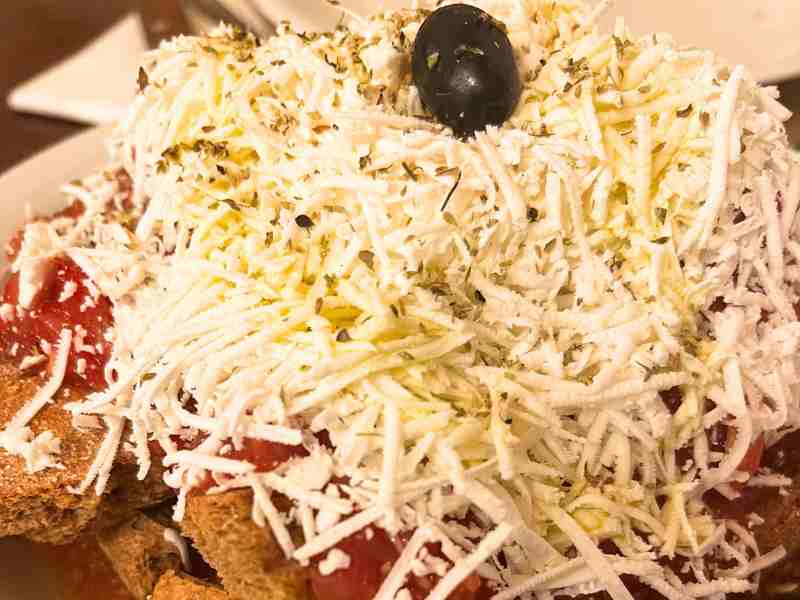
Pichtogalo Chanion (Πηχτόγαλο Χανίων): A soft, creamy PDO cheese from Chania with a slightly tangy flavor, often used in the same preparations you can use myzithra. It’s made from sheep’s or goat’s milk, and it goes great spread on bread or dakos (the Cretan barley rusk).
Malaka (Μαλάκα): A rare, fresh, elastic cheese made during the graviera production. It’s mild and slightly chewy, and fantastic in pies.
Xynomyzithra (Ξινομυζήθρα): This is a slightly sour, soft cheese. PDO-protected and deeply tied to Cretan tradition. It is used in savory pies or salads.
Tyrozouli (Τυροζούλι): A rustic, homemade-style cheese. Semi-hard, lightly salted, sometimes smoked. It goes well with bread, olives, and even grilled.
How to enjoy: Sliced with bread and olives, or grilled.
The Craft of Cheesemaking
The secret to Cretan cheese lies in the milk. Free-grazing sheep and goats give milk the flavors of thyme, oregano, sage, and other wild herbs. Traditionally, cheesemakers use a mix of 50% sheep milk and 50% goat milk, each balancing richness with brightness.
The process remains deeply hands-on: gently heating milk, adding cultures, waiting for curds to form, and carefully pressing and draining.
Once shaped, cheeses are placed in cool, humid cellars to age and develop character. For some, like graviera, a few months is enough. For others, the longer the better, as time deepens both texture and taste.
Why Cretan Cheese Matters
Cretan cheeses are a local heritage that represents sustainability, tradition, and the skills that still honor methods passed down for centuries.
As you explore these cheeses, you’ll discover the traditional methods used to make them. You will also find that these cheeses pair well with various dishes and can inspire new recipes in your cooking.

Cheese the Cretan Way
What’s cheese without the right pairing? In Crete, cheese is rarely eaten alone—it’s matched with honey, bread, wine, fruit, and herbs to bring out its best. Here’s how I love to enjoy them:
- Graviera + Thyme Honey + Red Wine
The nutty sweetness of graviera pairs beautifully with local thyme honey, walnuts, and rusks.
Add a glass of Cretan red (like Kotsifali or Mandilari) and you’ve got magic!
- Fresh Myzithra + Fruit + Raki
Soft, creamy myzithra loves company—especially fresh figs, grapes, or watermelon. When visiting the island, instead of asking for a Greek salad, choose a Cretan salad with myzithra.
For something truly Cretan, sip a little raki alongside.
- Aged Myzithra + Pasta + Olive Oil
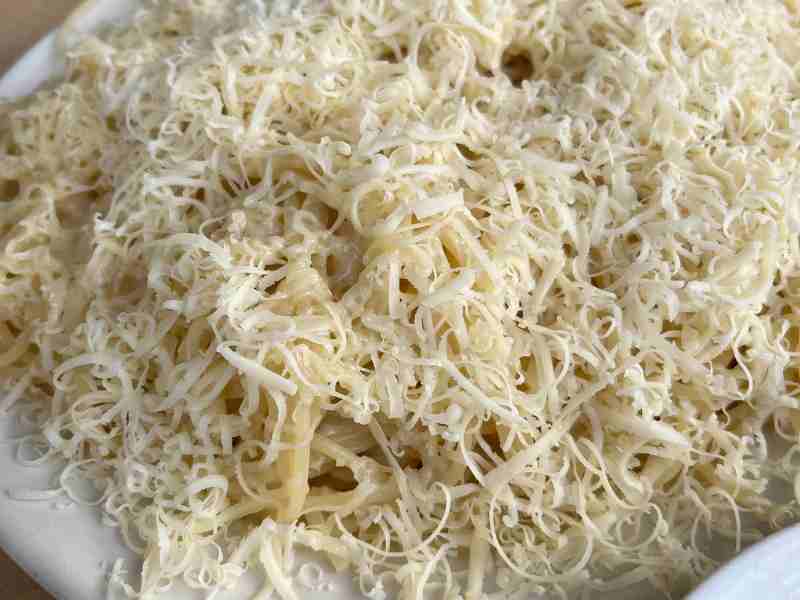
Grate it generously over a dakos, or even spaghetti (tossed with olive oil). Simple, rustic, and the perfect comfort food.
- Kefalograviera + White Wine (Vidiano)
Pan-fry kefalograviera for saganaki and pair it with a white wine like Cretan Vidiano. The contrast of salty and fruity is excellent.
- Anthotyros + Fresh Bread + Mountain Tea
Enjoy this light cheese spread on warm bread with a drizzle of olive oil. I love pairing it with a cup of mountain tea for a winter snack!
- Pichtogalo + Summer Vegetables
It’s great to replace myzithra on dakos with tomato + oregano.
Serve it with a glass of local rosé wine.
- Malaka (or Tyromalama) + Greens + Other cheese types
This is the right cheese for pies with greens (or spinach pies), but it also works wonders in a tyropita, a pie made with two or more varieties of local cheese (mine has feta, myzithra, and a bit of malaka cheese!)
It goes well with a young red wine.
- Xynomyzithra + Vegetables
This is another excellent cheese to give structure to vegetable pies, and also goes well with grilled veggies.
Assyrtiko is a Santorini wine that pairs really well with this cheese.
- Tyrozouli + Grill
Think of it as a kind of halloumi-style cheese that can be grilled and served with herbs.
To drink? A local Cretan beer or tsikoudia.
For me, discovering Cretan cheeses was like unlocking the island’s soul. For me, nothing beats nibbling graviera with honey in winter, or savoring a Greek salad with fresh myzithra instead of feta!


Pin for Later!
Guide to Cretan Cheese



Gabi Ancarola
Gabi is a travel writer who has lived in Crete for over a decade. Through her blog, Crete Insider, she has helped travelers uncover local experiences. Passionate about food and Cretan cuisine, she now attends Greek cooking lessons to bring the island’s flavors straight to your kitchen!
>> Interested in learning to cook in Crete, or discovering all of the top spots to eat in Chania and around the island? Book a food tour or plan your trip with me.


