

Everything About Cretan Pasta
Journey through Crete via its pasta — humble ingredients, unique shapes, ancestral flavors — and discover how simple dough transforms into something extraordinary, carrying echoes from ancient Greece itself.
Join the My Cretan Recipe Facebook group.
When you prepare dishes with Cretan pasta, you tap into a culinary tradition. The versatility of this pasta allows it to pair well with many flavors. And on Crete, pasta carries a bit of the island’s heritage, making it an important part of our meals.
Ancient Greece & Rome
The Greek word laganon (λαγάνον) described flat sheets of dough, cut into strips, often layered with sauces or ingredients. Romans adopted this as laganum and used it in dishes resembling layered casseroles — the direct linguistic ancestor of lasagna. This suggests that making, boiling, or baking sheets or strips of dough as a meal existed in the Mediterranean at least 2,000 years ago.
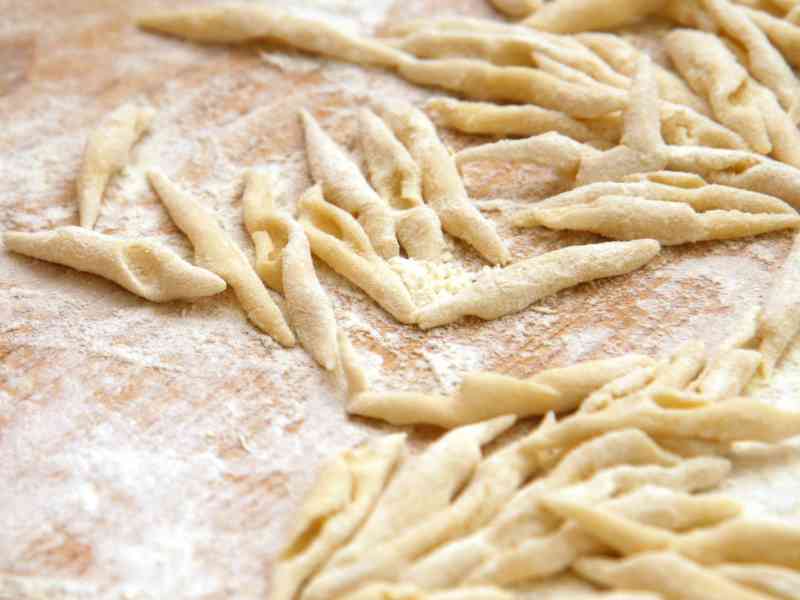
Of course, Italy refined pasta-making — using hard durum wheat semolina and creating a massive variety of shapes. By the Renaissance, pasta was a staple in southern Italy and became associated with Italian identity. However, its origins can be traced a long way back in time!
Pasta is not from one place or one moment —the ancient Greek laganon shows that boiling or layering wheat dough is Mediterranean and very old. The Arab world contributed drying techniques, while Italy perfected and globalized pasta.
And in other parts of the world, like China and Japan, noodle traditions grew independently, shaped by local grains and flavors.
Cretan Pasta
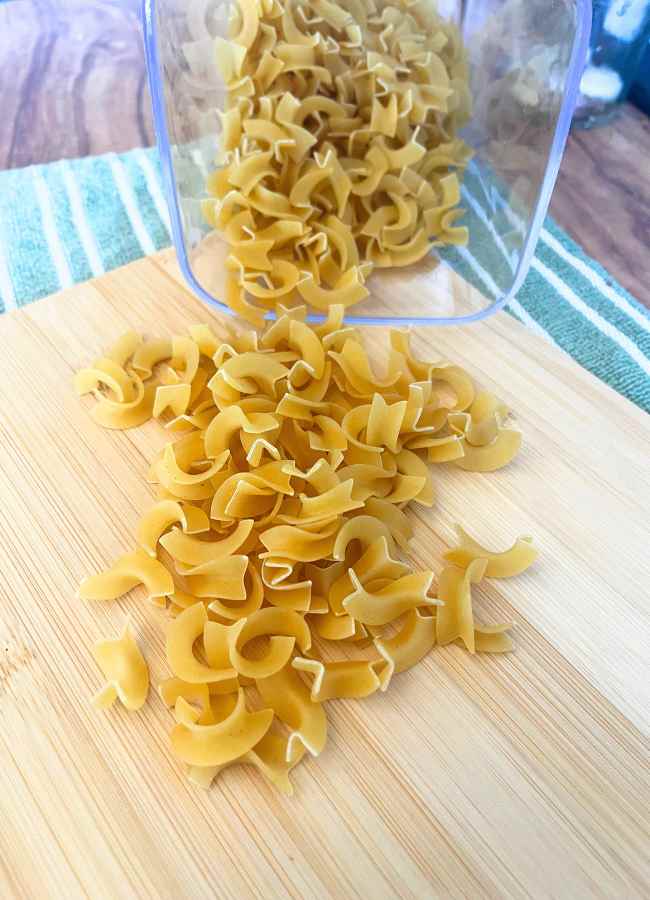
At its core, traditional Cretan pasta is made simply: quality hard wheat flour (often spelt or semolina), olive oil, salt, and lukewarm water. The dough is kneaded until smooth, hand-shaped, and either cooked fresh or dried in the sun to preserve for months—a practice rooted in the rhythms of harvest and rural life.
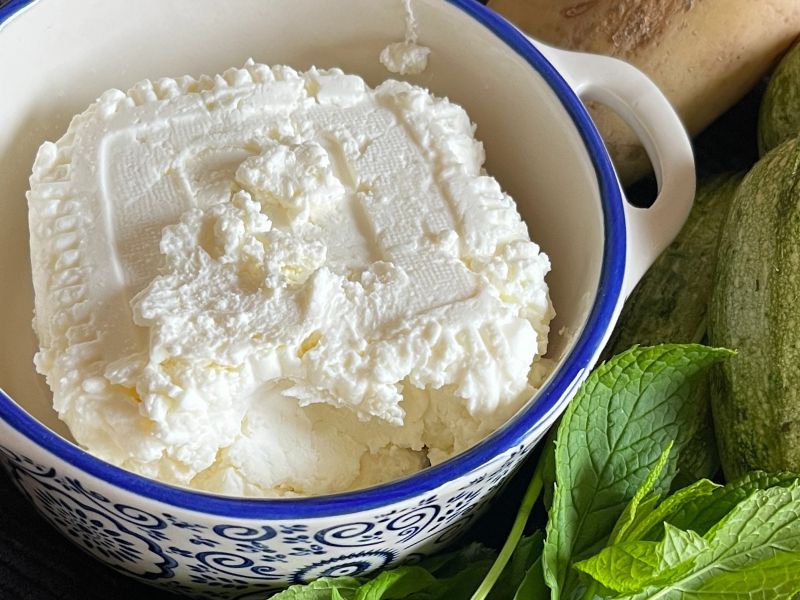
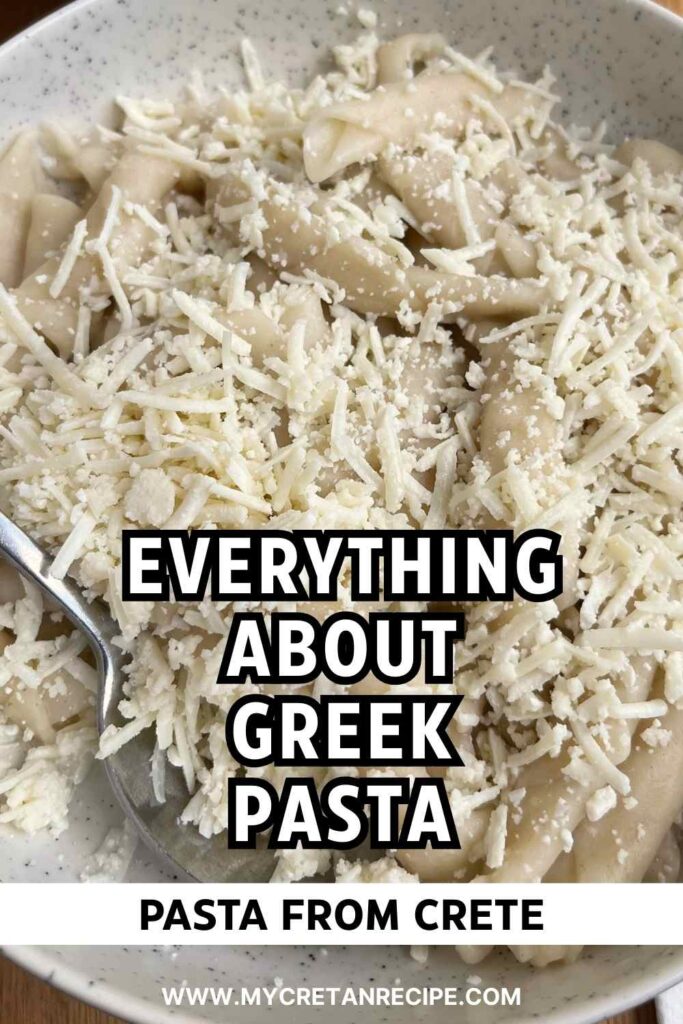
Often, the pasta is cooked in meat broth—lamb, goat, rooster—to infuse rich flavor, then topped with grated hard Cretan cheese like anthotyros or tirozouli.
Signature Types of Cretan Pasta
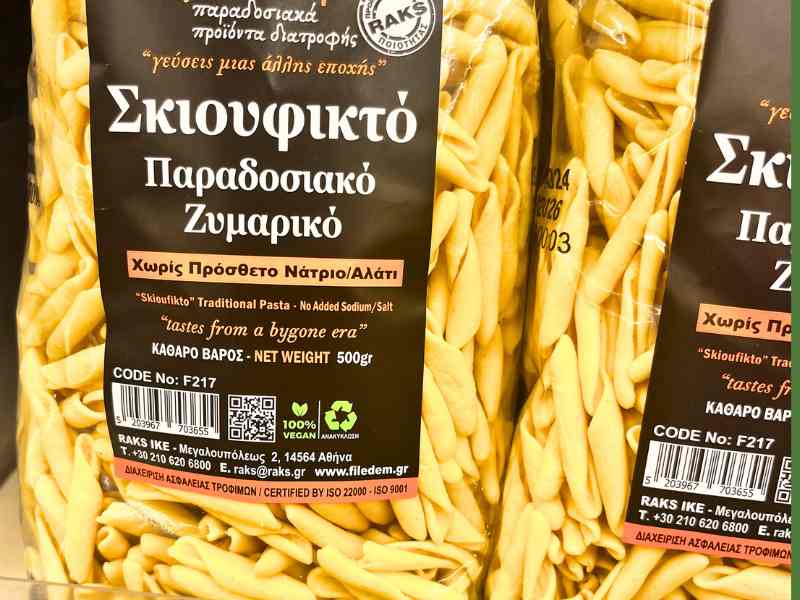
Skioufikta (“twisted pasta”)
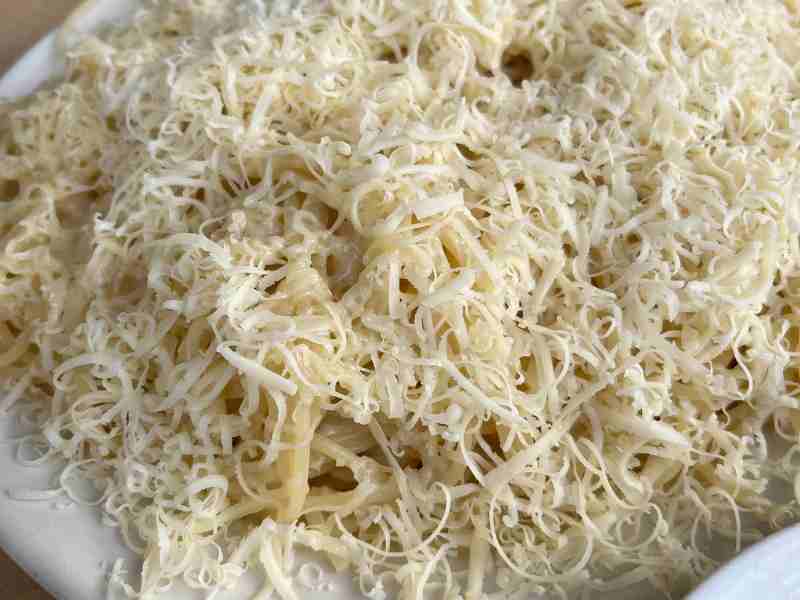
Hand-rolled strips twisted into spirals; the name derives from “skioufizo,” meaning “to twist.” Rustic and chewy, they cling beautifully to cheese.
Traditionally tossed in hot stakovoutiro (milk-cream butter) and sprinkled with grated anthotyros or mizithra cheese. In festive dishes like makaronia syzouma, skioufikta is cooked in slow-simmered meat broth and served with cheese—a celebratory dish for weddings and village feasts.
Chylopites (Hilopites)
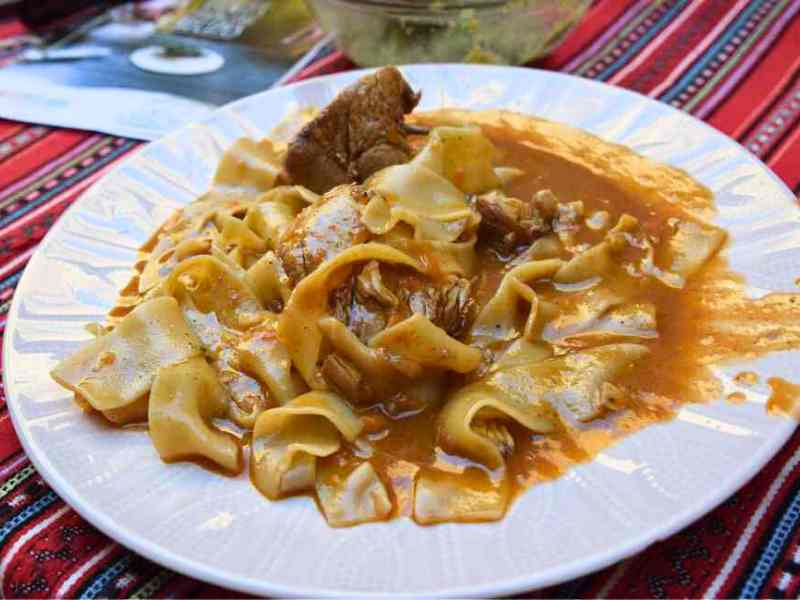
Small egg-based pasta strips (or sometimes squares), often cooked in brothy dishes or combined with cheese and vegetables.
Chylopites can also be made with meat in red sauce, a famous Cretan dish is made with this type of pasta with chicken or rooster, all cooked in tomato sauce.
Although skiufichta and chylopites are the two most used types of pasta, other varieties are also popular:
Avgochylos: A Cretan form of ribbon pasta, shaped similarly to short tagliatelle.
Chylofta: Long, linguini-like strands, often paired with olive oil sauces or cheeses.
Triftoudia: Rice-shaped pasta, similar to orzo, used in soups or casseroles.
Maggiri: Small square-shaped pasta, often fried or broiled in broth, then mixed with cheese—creamy and textured.
Xinohondros (Trahanas): Made with fermented milk and cracked wheat, in sweet or sour versions; used in soups, stews, or as a side—an ancient form of pasta with tang and texture.
Origins and Evolution
The roots of pasta in Greece stretch back over 2,000 years, while later on, the Romans adopted and adapted the concept, using laganum in layered preparations that centuries later evolved into lasagna.
Crete, strategically placed between East and West, preserved and refined its own wheat-based traditions while absorbing influences from Venetians, Ottomans, and trade routes across the Mediterranean.

In rural Crete, pasta evolved as a practical food: summer households would make large batches, drying them for long-term storage. The continuity from laganon to today’s Cretan varieties shows how a basic idea—shaping and cooking dough—survived, adapted, and stayed delicious.
Ingredients That Define the Flavor

Cretan pasta is often served with locally sourced accompaniments:
- Meat broth: Used in festive pasta like makaronia syzouma.
- Cheese: Grated anthotyros, mizithra, and tirozouli are essential toppings.
- Wild greens: Stamnagathi, horta, and other mountain greens—bitter, earthy, and aromatic—contrast beautifully with cheese and pasta.
- Olive oil & herbs: Crete’s extra virgin olive oil, along with thyme, oregano, and rosemary, enriches every dish.
Across Crete, practices vary: some villages favor thicker noodles; others prefer drying pasta meticulously on boards. For skioufikta, kneading to develop gluten is key, then hand-twisting each piece and drying for proper texture.
Everyday Uses & Festive Occasions
- Daily life: Xinohondros or triftoudia in soups, chylopites with greens seasonally—pasta is versatile and integral.
- Celebrations: At weddings or gatherings, makaronia syzouma or brothy pasta with meat sauce unites food, flavor, and tradition.

While deeply traditional, Cretan pasta is gaining attention. Travel guides highlight Crete as a culinary destination rooted in Minoan tradition, where pasta stands among iconic dishes like snails, wild greens, and dairy delights.
Cretan pasta is often featured in traditional festivals and is a source of pride for local cooks.




Pin For Later!
Cretan Pasta


Gabi Ancarola
Gabi is a travel writer who has lived in Crete for over a decade. Through her blog, Crete Insider, she has helped travelers uncover local experiences. Passionate about food and Cretan cuisine, she now attends Greek cooking lessons to bring the island’s flavors straight to your kitchen!
>> Interested in learning to cook in Crete, or discovering all of the top spots to eat in Chania and around the island? Book a food tour or plan your trip with me.


