

Traveler’s Guide to Cooking in Greece: Stocking Your Airbnb Kitchen In Crete & Other Islands
Traveling to Greece, especially the islands like Crete, offers more than beaches and ancient ruins—it’s a culinary adventure. Staying in an Airbnb or rental apartment often means you have access to a kitchen, but cooking in a foreign country can feel daunting. What should you buy first at the local shop? Which utensils are available, and what’s usually missing? How can you plan simple, authentic meals without being overwhelmed? This guide will help you confidently stock your Greek island kitchen and enjoy delicious, stress-free meals while on vacation.
Join the My Cretan Recipe Facebook group.
Traveling to Greece, and especially exploring its stunning islands like Crete, isn’t just about sun-soaked beaches or wandering through ancient ruins—it’s also a journey for your taste buds. From fresh feta to locally pressed olive oil, Greek cuisine is an experience in itself, and this experience is a lot more memorable in Crete!

Staying in an Airbnb or a rental apartment opens up a whole new way to connect with the local culture. However, stepping into a foreign kitchen can feel intimidating. Where do you start? How can you plan simple, authentic meals without turning cooking into a stressful chore? After all, you’re on holiday!
Let me help you take the guesswork out of stocking your Greek island kitchen. I’ll show you what to prioritize at local markets and supermarkets, how to make the most of what your Airbnb provides, and give you tips for planning easy, delicious meals that are essentially local.
Planning a Cretan escape? Start here.
Find practical travel tips, local activities, packing guides, and the tastiest places to eat on the islands recipes—hand-picked for those who who love to cook and explore.
Stock Your Vacation Kitchen with this Checklist
1. Start with the essentials: What to buy first at the local shop
Walking into a Greek supermarket or local market can be exciting but overwhelming. Here’s how to prioritize:
A. Fresh Produce
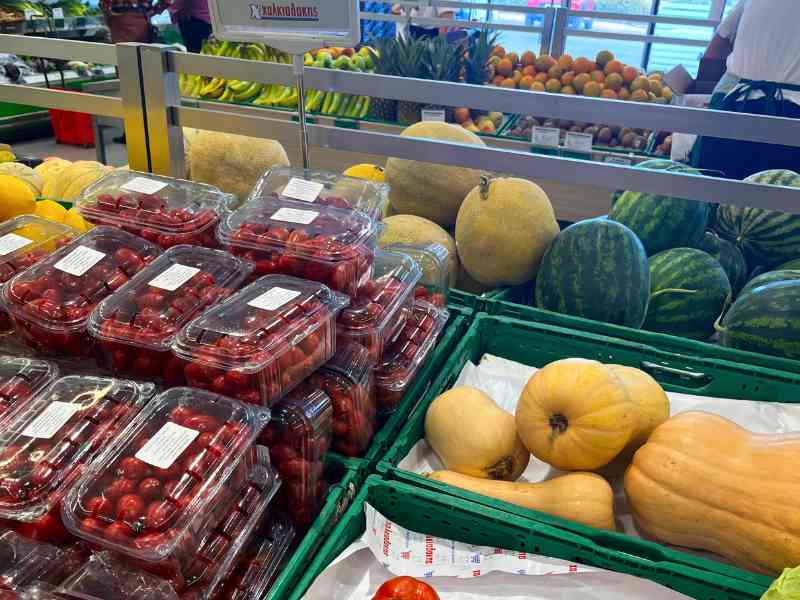
Greek cuisine relies heavily on fresh vegetables and fruits. Focus on staples that keep well for a few days:
- Tomatoes, cucumbers, bell peppers, onions, and garlic – the base for salads and sauces.
- Lemon – essential for dressings, marinades, and seafood.
- Seasonal fruits – peaches, figs, grapes, or oranges for breakfast, snacks, or dessert.
B. Pantry Staples
- Olive oil – Greek extra virgin olive oil is a must.
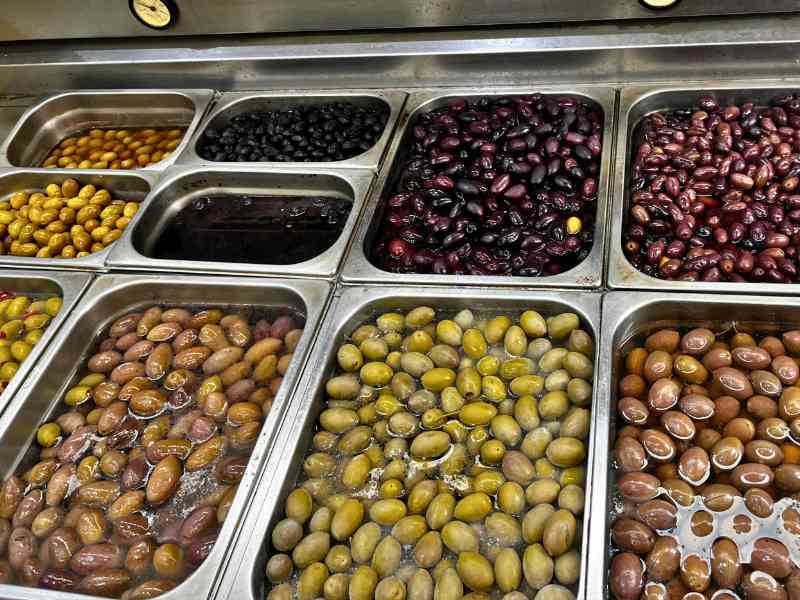
- Olives – Kalamata olives are great for salads or snacking. But in Crete, try the local Tsounato or Koroneiki varieties.
- Rice, pasta, or bulgur – versatile for quick meals.
- Canned tomatoes – perfect for sauces and braises.
- Herbs and spices – oregano, thyme, rosemary, and dried chili flakes.
C. Proteins
- Eggs – universally available, easy for breakfast, salads, or frittatas.
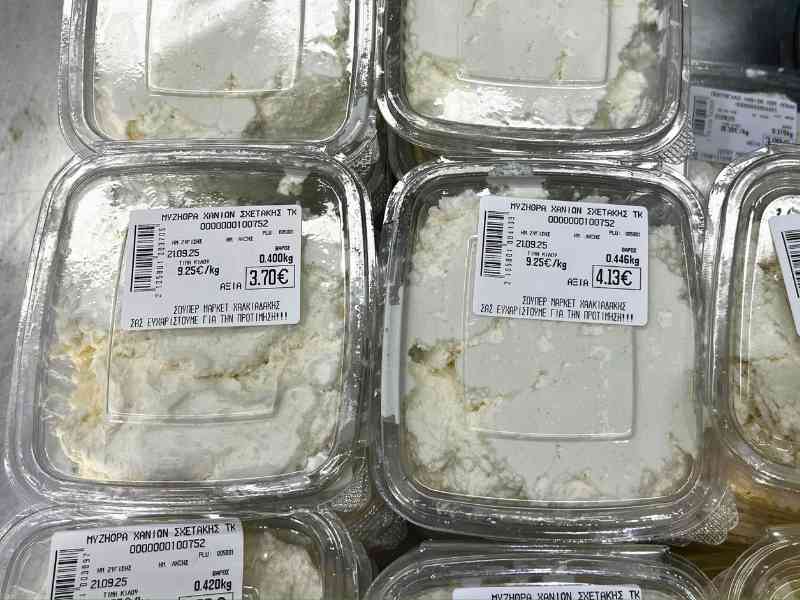
- Local cheeses – feta, graviera, and halloumi.
- Yogurt – plain Greek yogurt is perfect for breakfast or sauces like tzatziki.
- Seafood or meat – check local markets for fresh fish, chicken, or lamb.
D. Bread and Grains
- Local bread – bakeries often sell fresh loaves daily.
- Pita or flatbreads – useful for sandwiches, wraps, or quick meals.
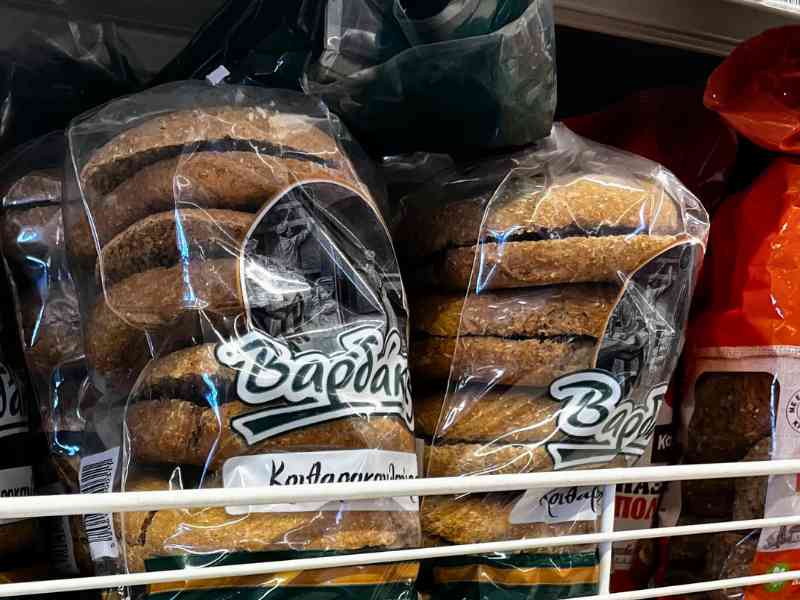
- Paximadia and rusks – perfect for Cretan dakos.
Pro Tip: Visit a nearby farmer’s market (laiki agora) for fresh, seasonal produce and authentic local flavor. Prices are often better than supermarkets, and you’ll get the freshest ingredients.
2. Basic Utensils You Can Usually Count On
Airbnb kitchens in Greece are often equipped, but not always. Here’s what you can expect and what you might need to bring or buy locally:
A. Usually Available
- Pots and pans (sometimes limited sizes)
- Basic knives
- Cutting board
- Plates, glasses, and basic cutlery
- Stove and oven
B. Often Missing or Limited
- Sharp chef’s knife – many rentals have a small, dull knife.
- Non-stick frying pan – sometimes missing or old.
- Oven mitts or trivets – check before cooking.
- Salad spinner or large mixing bowls – useful but uncommon.
Tip: If you cook frequently while traveling, consider bringing a small knife and a foldable cutting board—they don’t take up much luggage space but make cooking easier.
3. Stocking Your Kitchen for Quick, Authentic Greek Meals
Once you have the essentials, you can create a versatile mini-pantry. Here’s a suggested Crete (and Greece) grocery list for travel:
- Olive oil – 500ml bottle
- Sea salt and black pepper
- Oregano, thyme, rosemary
- Lemon juice or fresh lemons
- Garlic
- Onions and shallots
- Tomatoes (fresh or canned)
- Greek yogurt – 2-3 small tubs
- Feta cheese – 200–300g
- Halloumi (optional)
- Eggs – 6–12
- Pasta or orzo – 250–500g
- Rice – 250–500g
- Olives – small jar or fresh
- Bread – 1–2 loaves
- Seasonal vegetables – peppers, cucumbers, zucchini, eggplant
- Fresh herbs, if available – parsley, mint, dill
Pro Tip: Keep a small shopping bag or basket handy for daily trips. Many locals prefer buying fresh produce daily rather than stocking up.
4. Sample 3-Day Cooking Plan for Your Greek Holiday
Greek Vacation Meals
Here’s a practical plan for travelers cooking in a Greek Airbnb. All meals are simple, fresh, and adaptable based on what’s available.
Day 1

Breakfast: Greek yogurt with honey, walnuts, and fresh figs or grapes.
Lunch: Greek salad with tomatoes, cucumbers, olives, red onion, and feta, dressed with olive oil and lemon.
Dinner: Spaghetti with garlic, olive oil, and cherry tomatoes, topped with fresh herbs. Optional: add canned tuna or grilled chicken.
Day 2
Breakfast: Toast with feta or graviera, fresh tomato slices, and a drizzle of olive oil.
Lunch: Pita wrap with tzatziki, cucumbers, tomatoes, and grilled halloumi or leftover chicken.
Dinner: Baked fish with lemon, olive oil, garlic, and oregano, served with roasted vegetables (zucchini, peppers, onions).

Day 3
Breakfast: Boiled eggs, fresh fruit, and a slice of local bread.
Lunch: Greek-style omelet (strapatsada) with spinach or tomatoes, olive oil, and feta, plus a small side salad.
Dinner: Vegetable stir-fry with rice or orzo, flavored with garlic, olive oil, and herbs. Optional: add shrimp or small pieces of chicken. Alternatively, try making a simple Chania boureki.

Pro Tip: Keep meals simple and flexible. Use fresh produce in salads, omelets, and pasta dishes. Greek cuisine relies on fresh, high-quality ingredients rather than complex cooking techniques.
5. Tips for Cooking in a Greek Airbnb

- Check what’s available first
Before buying, see what utensils, pots, and pans the kitchen has.
- Shop daily if possible
Fresh produce tastes better and keeps your fridge light.
- Learn local terms
“Laiki agora” (farmer’s market), “psomi” (bread), “alati” (salt), “elies” (olives). Knowing certain words makes shopping easier.
- Keep it simple
Greek cooking is often just olive oil, fresh vegetables, herbs, and seafood. Don’t overcomplicate recipes.
- Make use of leftovers
Yesterday’s roasted vegetables can go into today’s omelet or pasta.
- Enjoy the experience
Cooking in a foreign kitchen is part of the adventure!
6. Where to Shop on a Greek Island

- Supermarkets: Chains like AB, Lidl, or Sklavenitis offer convenience and packaged goods. Particularly in Crete, look for Xalkiadakis and Synka supermarket chains.
- Local bakeries: Fresh bread daily. Try “horiatiko psomi” (village bread) or “koulouri” (sesame bread rings).
- Farmer’s markets (laiki agora): Best for fruits, vegetables, cheese, herbs, and olive oil.
- Specialty shops: Olives, cheese, and meat shops are scattered across towns and villages.
7. How to Store Ingredients in a Vacation Rental
- Olive oil: Keep in a cool, dark spot.
- Cheese and yogurt: Store in the fridge, check expiration dates.
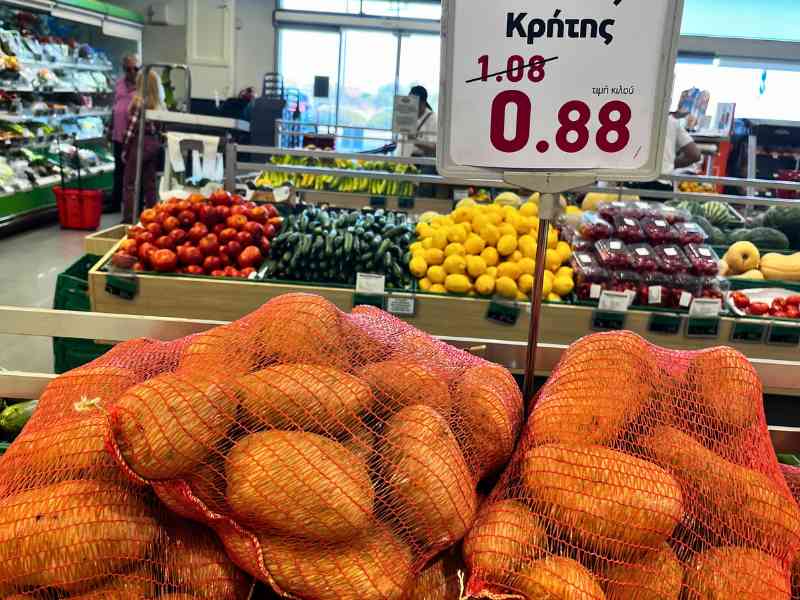
- Vegetables: Use quickly or store in the fridge’s crisper. Tomatoes taste better at room temperature; cucumbers and peppers last longer in the fridge.
- Bread: Store in a paper bag or bread box to avoid sogginess; consume within 2–3 days.
8. Practical Cooking Hacks
- Use one pot for multiple meals
Boil pasta, then sauté vegetables in the same pot.
- Make simple dressings
Lemon, olive oil, salt, and pepper are enough to make any dish better.
- Use leftovers creatively
Roasted vegetables become pasta toppings or frittatas. >> Check out this post with more tips
- Embrace cold meals
Salads, dips, and sandwiches are perfect on hot days.
9. Benefits of Cooking While Traveling
- Save money – eating out every meal can be expensive, especially on popular islands.
- Experience local flavors – shopping at markets and cooking dishes with fresh, local ingredients connects you to the culture.
- Flexible mealtimes – cook what you want, when you want.
- Healthier meals – control your ingredients and avoid overly processed foods.
Cooking in a Greek island Airbnb doesn’t have to be intimidating. With a few essentials, knowledge of local markets, and a flexible meal plan, you can enjoy fresh, authentic Greek meals while on vacation.
Keeping this guide at hand ensures that you spend more time enjoying your holiday and less time worrying about what to eat. Embrace local ingredients, explore fresh produce, and savor every homemade bite—it’s an essential part of the Greek experience!
SIMPLE MEAL IDEAS



Pin for Later!
Greek Island Airbnb Kitchen: Ultimate Grocery List & Tips for Travelers


Gabi Ancarola
Gabi is a travel writer who has lived in Crete for over a decade. Through her blog, Crete Insider, she has helped travelers uncover local experiences. Passionate about food and Cretan cuisine, she now attends Greek cooking lessons to bring the island’s flavors straight to your kitchen!
>> Interested in learning to cook in Crete, or discovering all of the top spots to eat in Chania and around the island? Book a food tour or plan your trip with me.


You May Also Like

The Most Famous Recipes from the Greek Islands… and Everything You Must Try When You Visit!

Super Easy No-Egg Tiramisu: The Creamy Classic Made Simple
