

Meat & Mountains: Traditional Ways Cretans Cook Meat
When most people think of Greek cuisine, their minds jump straight to seafood and island life by the sea. But Crete tells a different story. This rugged island is more about mountains than beaches when it comes to food. Life here is rooted in the hills and valleys, where locals have raised sheep and goats for generations.
So if you’re dreaming of fresh fish, you might want to explore some of Greece’s other islands. But if you’re craving slow-cooked lamb, bold flavors, and recipes passed down through families, Crete is where you’ll find your feast.
Join the My Cretan Recipe Facebook group.
Cretans have a deep-rooted tradition of cooking meat, blending their mountain lifestyle with local herbs, olive oil, and age-old techniques.
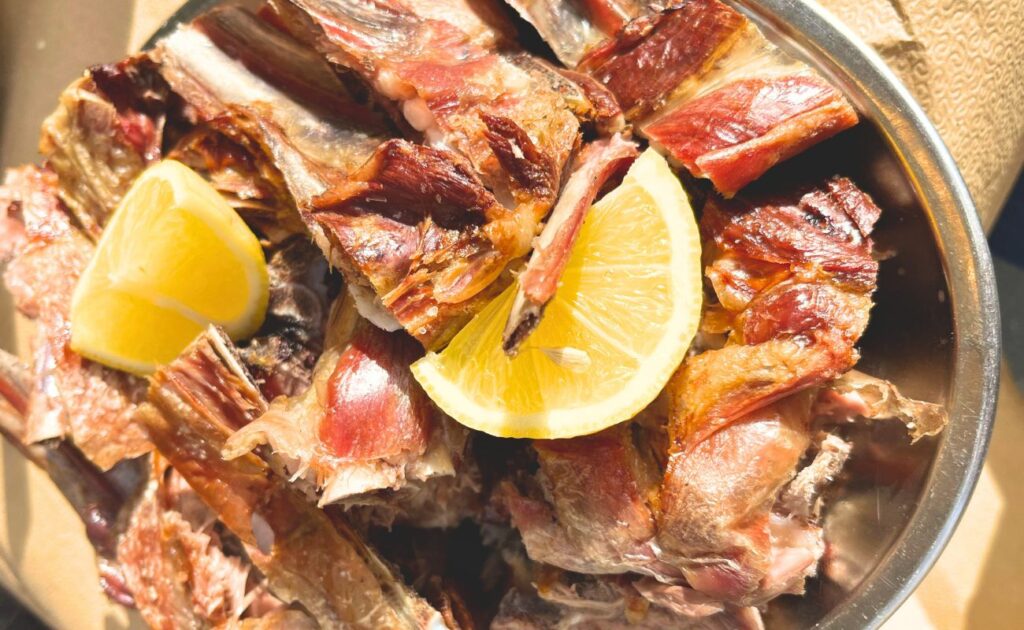
One of the most iconic ways they prepare meat is with a method called Antikristo. A young lamb is cut into large pieces, salted, and placed upright around a wood fire, where it cooks slowly.

Marinating meat with herbs and olive oil is another signature of Cretan cooking. Lamb and goat are often cooked in egg-lemon stews (avgolemono) or combined with fresh vegetables from the garden. No matter the preparation, the focus is always on seasonal ingredients.
But cooking meat in Crete is about more than just technique — it’s about gathering.
Meals stretch late into the evening, shared with family and friends around a long table, with laughter, conversation, and plenty of local wine.
Cretan Cuisine Overview
Cretan cuisine is all about seasonality. The island’s climate is ideal for growing plenty of different fruits and vegetables, which play a central role in many dishes.
The Cretan Diet, celebrated for its health benefits, puts emphasis on local and seasonal foods.
Key Elements of Cretan Cooking
- Meat Preparation
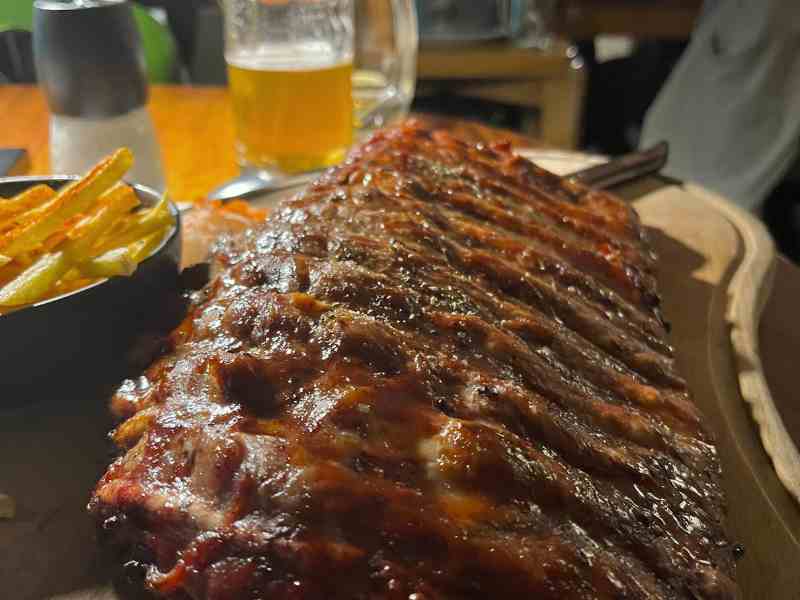
Traditionally, Cretans use techniques like roasting, grilling, and slow cooking. Common meats include lamb, goat, and pork, often marinated with local herbs.
- Herbs and Spices
Oregano, thyme, and rosemary are frequently used to enhance the flavors of meat.
- Olive Oil
Extra virgin olive oil is a staple, used in cooking and as a dressing.
Popular Meat Dishes
- Kleftiko
Slow-cooked lamb, usually marinated and wrapped in parchment with herbs and vegetables.
- Gyro
Spiced meat cooked on a vertical rotisserie, served in pita with fresh vegetables and sauces.
- Souvlaki
Skewered and grilled meat, often served with dips like tzatziki.
Cretan cuisine reflects the island’s history, gathering influences from various cultures over the centuries. Each dish tells a story through its flavors and ingredients, making it a unique culinary experience.

Traditional Methods Used in Crete to Cook Meat
Cretan cooking embraces traditional methods. On the island, it’s common to use wood-fired ovens and outdoor grilling practices, each bringing unique tastes and textures to the dishes.
Wood-fired ovens are central to Cretan cooking. These ovens create high heat, which is ideal for roasting various meats.
- Temperature control: You can adjust the temperature by regulating the amount of wood burned.
- Flavor: The wood adds a smoky flavor that enhances the taste of the meat.
- Cooking variety: You can roast lamb, goat, or chicken, often marinated with local herbs.
This method reflects the simple, wholesome cooking style that characterizes Cretan cuisine.
Grilling is another traditional method that showcases Cretan culinary skills. One notable technique is called Antikristo.
- Setup: Meats, often young lamb or goat, are cut into large pieces, salted, and skewered.
- Cooking style: The large skewers are placed around a fire in a circular position, allowing the meat to cook evenly.
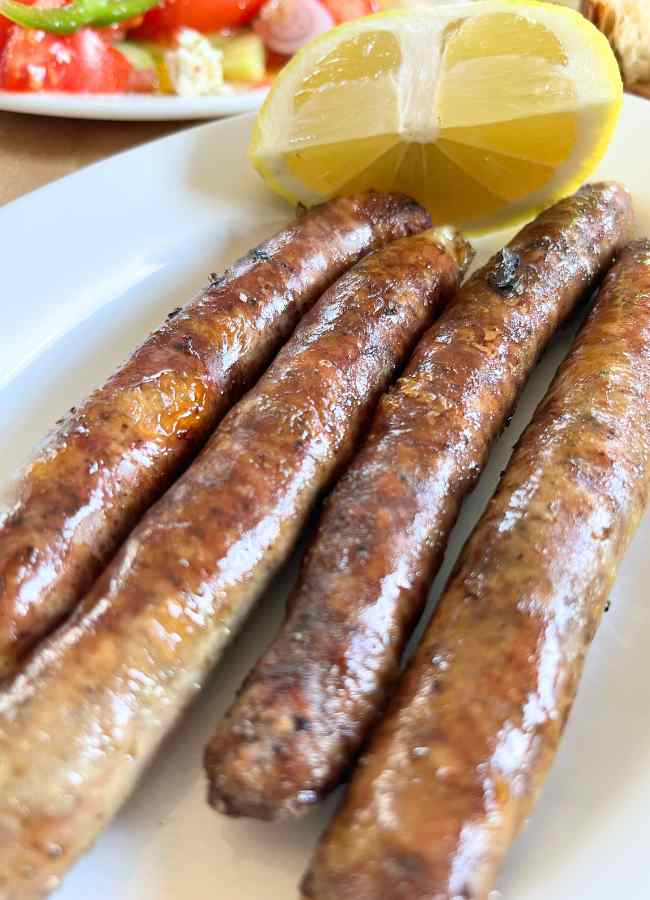
Grilled meats are typically served with fresh salads and local dips, embodying the region’s flavors and culinary heritage.

Popular Cretan Meat Dishes
Here are three popular meat dishes that showcase these practices.
Antikristo
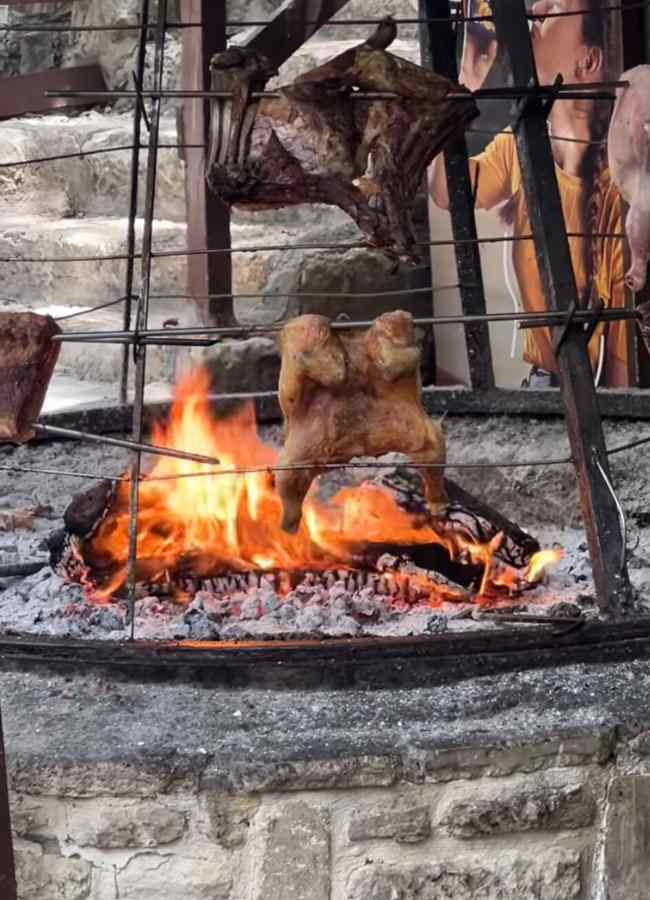
Antikristo is an ancient Cretan method for cooking meat, often lamb or goat. The preparation involves cutting the meat into large pieces, known as goulidia. These pieces are salted and then placed on long metal skewers.
The skewers are arranged around an open fire. Careful attention is given to the wind direction and fire intensity. This method allows the meat to cook slowly, resulting in a tender and flavorful dish. The smoky aroma from the fire enhances the natural taste of the meat, making it a favorite at celebrations and gatherings.
Gamopílafo

Gamopílafo is a traditional dish often served at weddings and special occasions in Crete. It features rice cooked in meat broth, making it savory and hearty. The dish is usually served with pieces of lamb.
The rice absorbs the flavors of the meat and spices during cooking. Often, lemon is added for depth and brightness. Gamopílafo is hearty and filling, making it a perfect centerpiece for festive meals. Each bite combines tender meat with flavorful rice, showcasing Cretan hospitality.
Tsigariasto
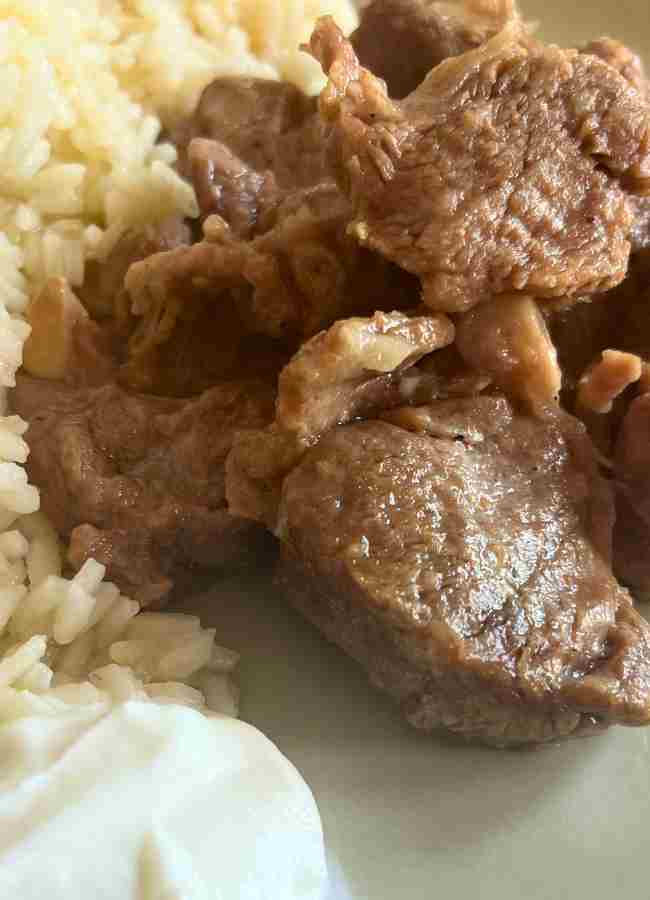
Tsigariasto is one of those simple dishes that speaks of mountain kitchens, honest flavors, and the heart of Cretan tradition. It features a few ingredients that, wisely combined, result in one of the most authentic tastes of the island.
Ofto
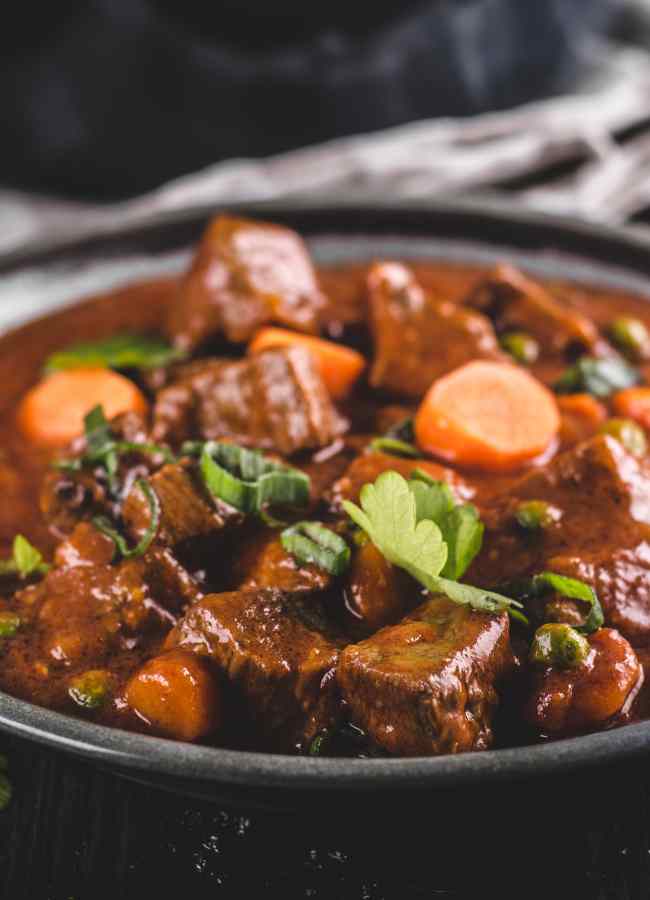
Ofto, also known as “stewed meat,” is a dish prepared with lamb or goat in which the meat is slowly cooked with a variety of herbs and spices, including garlic and rosemary, and sometimes even cinnamon. This slow-cooking method results in super-tender meat.
Ofto is usually served with bread to soak up the sauce. It embodies comfort food and is commonly enjoyed in winter.
Marinades
Two key components in preparing Cretan meat dishes are herbs and spices, along with olive oil and citrus.
- Oregano: Cretan oregano has a strong, robust flavor and is often sprinkled on meats before cooking.
- Thyme: One of the most common herbs on the island, it offers earthy notes, pairing well with grilled or roasted meats.
- Rosemary: Another local staple, this herb is perfect when marinating lamb or pork.
Other herbs like sage and mint are also common and add freshness and complexity to marinades. Seasoning blends also feature garlic and pepper, often mixed with oil for marinating meats.
Olive oil is the main staple in Cretan cooking, serving as a primary fat for cooking and marinating, while citrus fruits, such as lemons and oranges, are frequently included in marinades. The acid helps to tenderize the meat while imparting a refreshing brightness.
MORE GUIDES




Pin For Later!
How Do Cretans Cook Meat?


Gabi Ancarola
Gabi is a travel writer who has lived in Crete for over a decade. Through her blog, Crete Insider, she has helped travelers uncover local experiences. Passionate about food and Cretan cuisine, she now attends Greek cooking lessons to bring the island’s flavors straight to your kitchen!
>> Interested in learning to cook in Crete, or discovering all of the top spots to eat in Chania and around the island? Book a food tour or plan your trip with me.


