

Spices That Bring Heat to Your Cooking
Spice is one of the most exciting elements in cooking. Beyond flavor, it can awaken your palate, enhance aromas, and give dishes a memorable kick. Spice can be subtly warm or fiercely intense; in fact, the world of hot spices is vast and diverse. Understanding the types of ingredients that add heat and how to use them effectively allows you to control spiciness and create balanced and tasty dishes.
Join the My Cretan Recipe Facebook group.
Adding heat to food isn’t just about making it “spicy.” It plays several important roles in cooking. Heat can enhance flavor by amplifying aromas and balancing sweet, sour, or salty elements.
It adds complexity, with mild to intense spices contributing depth and layers to a dish. Many spicy ingredients also release aromatic oils that make a dish smell as good as it tastes.
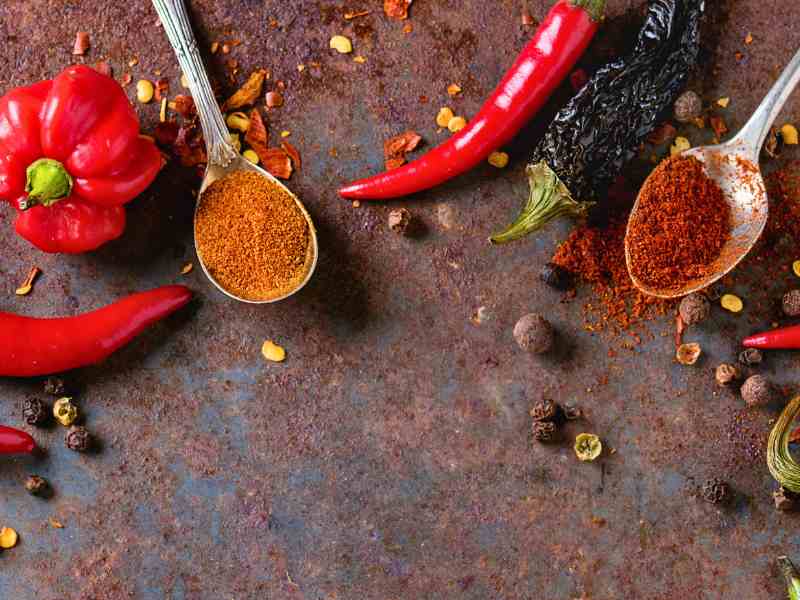
Beyond flavor, heat is often essential for cultural authenticity, appearing in traditional recipes from Mexican salsas to Mediterranean dishes.
Pepper: The Classic Heat Source
Pepper is one of the most universal spices and comes in multiple forms, each with unique characteristics:
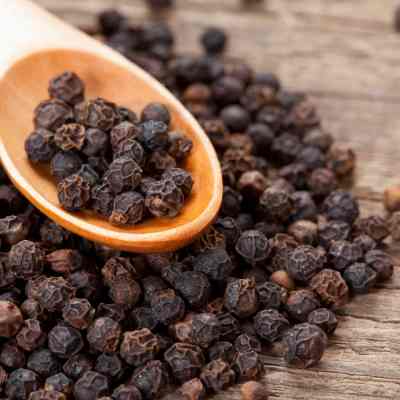
Black Pepper
- Dried unripe berries of the pepper plant, ground or whole.
- Flavor: Pungent, mildly woody heat.
- Uses: Everyday cooking, seasoning meats, soups, pasta, and sauces.
- Notes: Freshly cracked black pepper releases aromatic oils for maximum flavor.
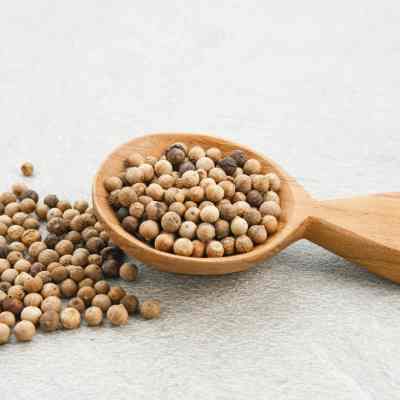
White Pepper
- Ripe pepper berries with the outer skin removed.
- Flavor: Earthy, slightly milder heat than black pepper.
- Uses: Light-colored sauces, mashed potatoes, soups where black specks are undesirable.
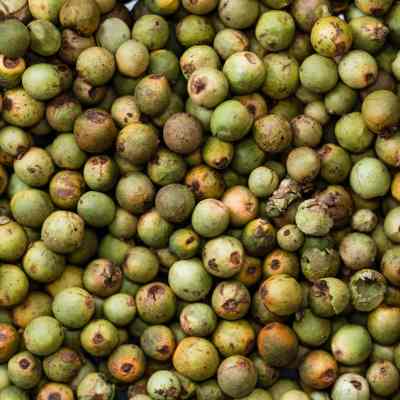
Green Peppercorns
- Pickled or freeze-dried unripe berries.
- Flavor: Fresh, bright, lightly pungent.
- Uses: Sauces, steak au poivre, salads.
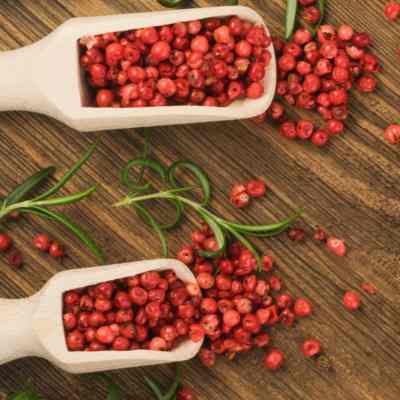
Pink Peppercorns
- Not a true pepper, but dried berries of the Peruvian or Brazilian pepper tree.
- Flavor: Fruity, slightly sweet, mild heat.
- Uses: Salads, seafood, finishing dishes for color and aroma.
Chili Peppers: The Heat Titans
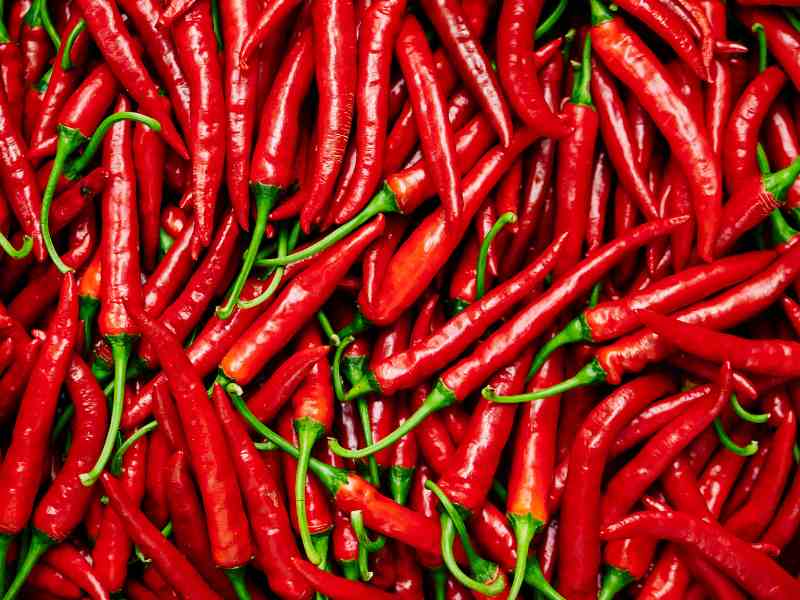
Chili peppers contain capsaicin, which gives the sensation of heat. They vary in flavor, heat level, and color.
Common Chili Types
- Cayenne: Hot and pungent; used in sauces, stews, and spice blends.
- Bird’s Eye (Thai Chili): Small but fiery; essential in Southeast Asian cuisine.
- Jalapeño: Medium heat; fresh or pickled for salsas, tacos, and dips.
- Habanero: Very hot; fruity flavor for Caribbean and Latin dishes.
- Chipotle: Smoked jalapeño; adds smoky heat to Mexican dishes.
- Anaheim / Poblano: Mild heat; ideal for stuffing and roasting.
Tips for Using Chilies
- Adjust the quantity based on heat tolerance.
- Remove the seeds and veins to reduce spiciness.
- Dry, roast, or smoke chilies to enhance their flavor.
- Combine them with fat (oil or butter) to distribute the heat evenly in dishes.
Peperoncino: The Italian Spice
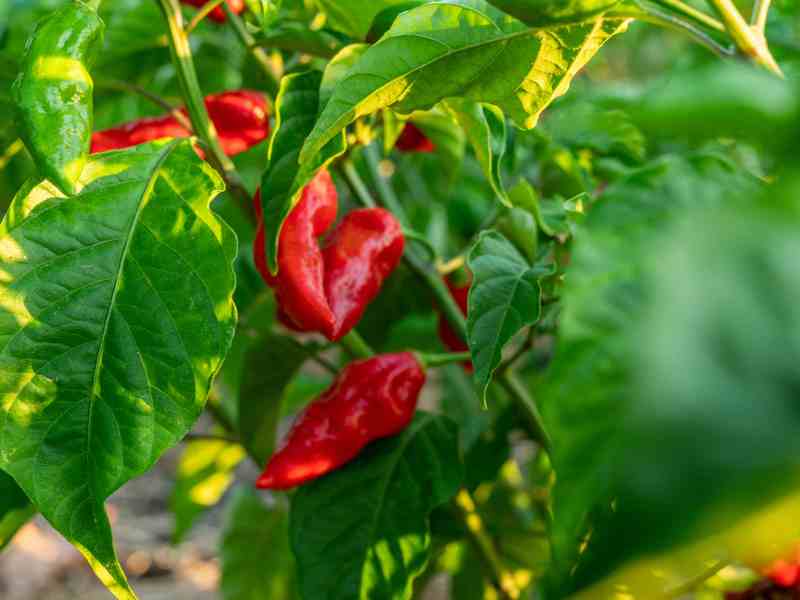
- Small, dried Italian chili peppers that are used whole or crushed.
- Flavor: Mild to medium heat with bright, slightly smoky notes.
- Uses: Pasta aglio e olio, pizzas, soups, and olive oil infusions.
- Notes: Add late in cooking for fresh heat or early for infused oil.
Aleppo Pepper / Pul Biber
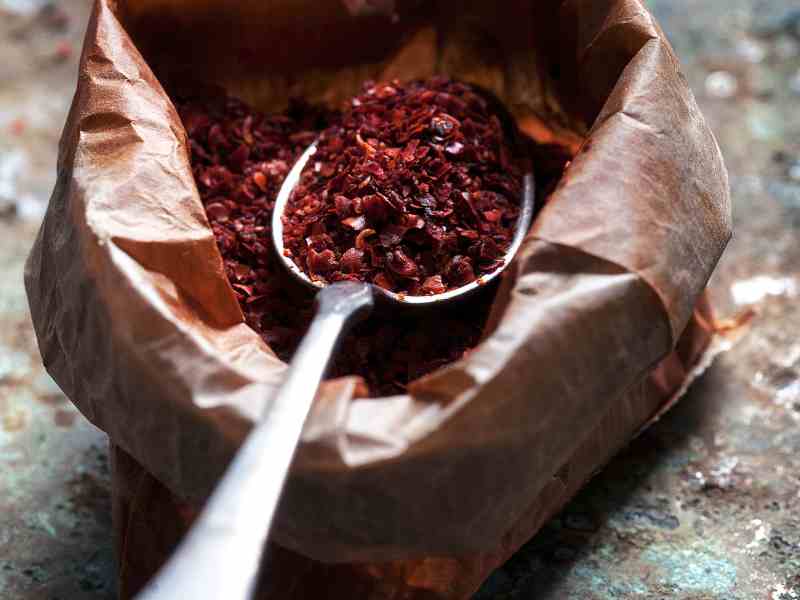
Aleppo pepper, also called Pul Biber, is a staple in Mediterranean and Middle Eastern kitchens. It has a moderate heat level with a fruity, slightly smoky flavor that adds depth without overwhelming a dish.
You’ll often find it sprinkled on meats, vegetables, and even in spice blends like baharat. Its gentle heat makes it perfect for stews, roasted vegetables, and sauces where you want warmth and complexity rather than sharp fire.
Tabasco & Bottled Chili Sauces
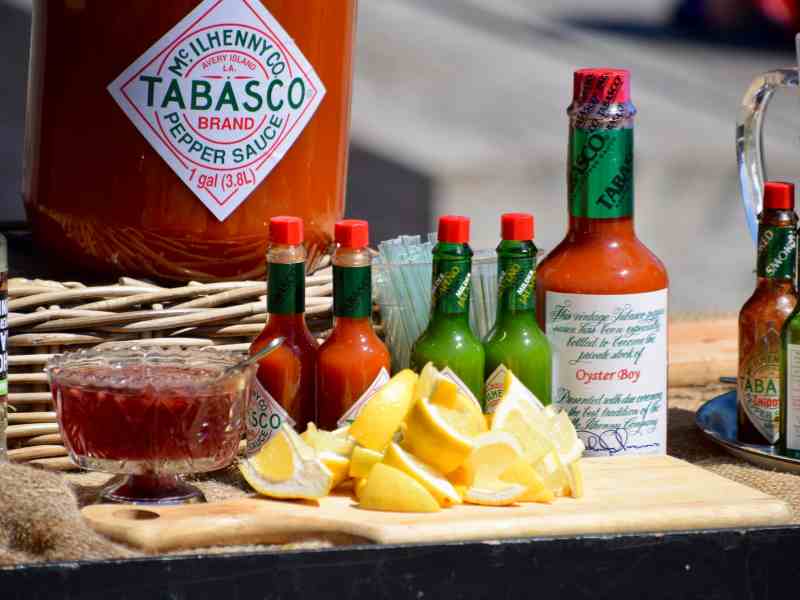
Modern chili sauces like Tabasco have become popular in Mediterranean-inspired cooking. They provide a consistent, sharp heat and a touch of acidity, making them ideal for quick marinades, dressings, or a splash in pasta sauces.
While not traditional, sauces like Tabasco complement classic spices and allow to add controlled heat without measuring chili flakes or powders.
Other Ingredients That Add Heat
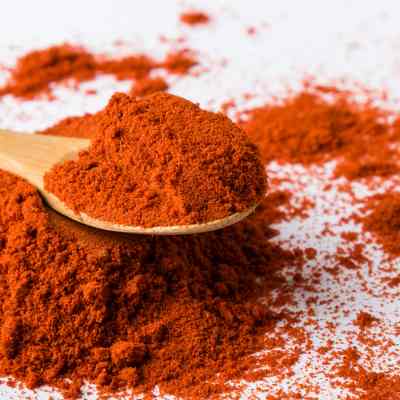
Paprika
- Varieties: Sweet, smoked, or hot.
- Uses: Stews, soups, roasted vegetables, spice rubs.
- Notes: Mild paprika adds color and sweetness, while hot paprika adds gentle heat.
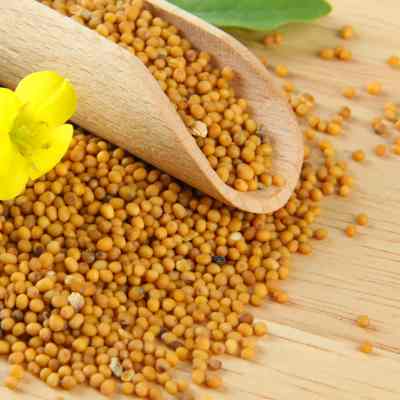
Mustard Seeds
- Description: Tiny seeds from mustard plants, pungent when crushed or toasted.
- Uses: Indian curries, pickles, sauces, salad dressings.
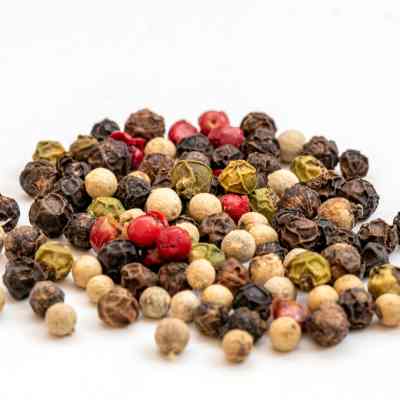
Black and White Peppercorns in Blends
- Examples: Sichuan pepper (not truly pepper; creates tingling heat), peppercorn medleys for finishing meats.
Hot Spice Blends
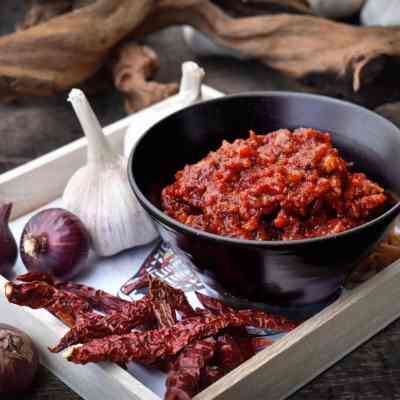
- Harissa: North African chili paste with cumin, coriander, and garlic.
- Baharat: Middle Eastern spice mix often including black pepper, cayenne, and paprika.
- Cayenne & Chili Powder: Standard powders for stews, meats, and rubs.
Tips for Controlling Heat in Cooking
- Balance flavors
Add sugar, acid, fat, or dairy to tame excessive heat.
- Layer your spice
Introduce some heat early for infused flavor, then adjust late for freshness.
- Know your chili
Different varieties provide unique heat profiles and aromas.
- Handle safely
Wash your hands after handling hot peppers, and avoid touching your eyes.
Spicy Drinks
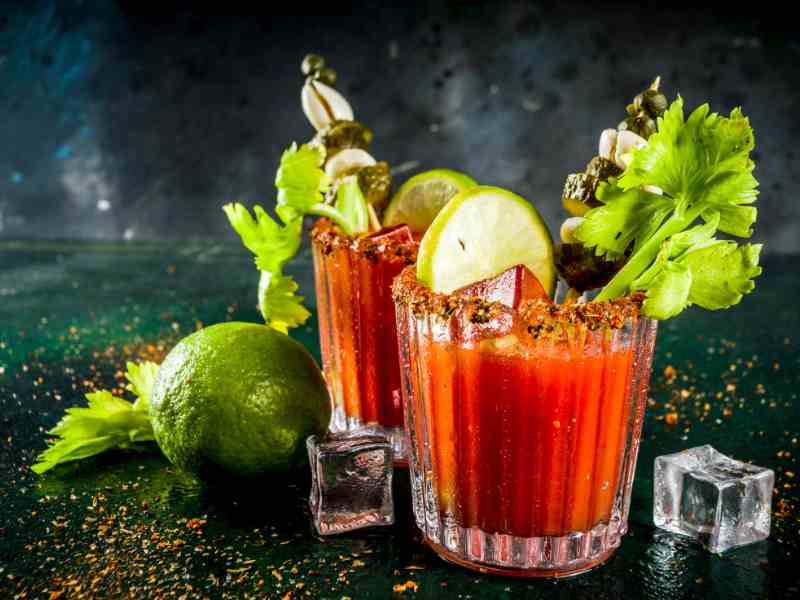
Spices aren’t just for food — they can transform beverages too.
Traditional and modern Mediterranean-inspired drinks sometimes feature subtle heat, from chili-infused lemonades to spiced teas and cocktails.
Adding black pepper, chili flakes, or even a drop of Tabasco can give drinks a warming kick that complements citrus or sweet flavors.
Spicy in Cold Cuts (Salame Piccante, ‘Nduja, Schiacciata, etc.)
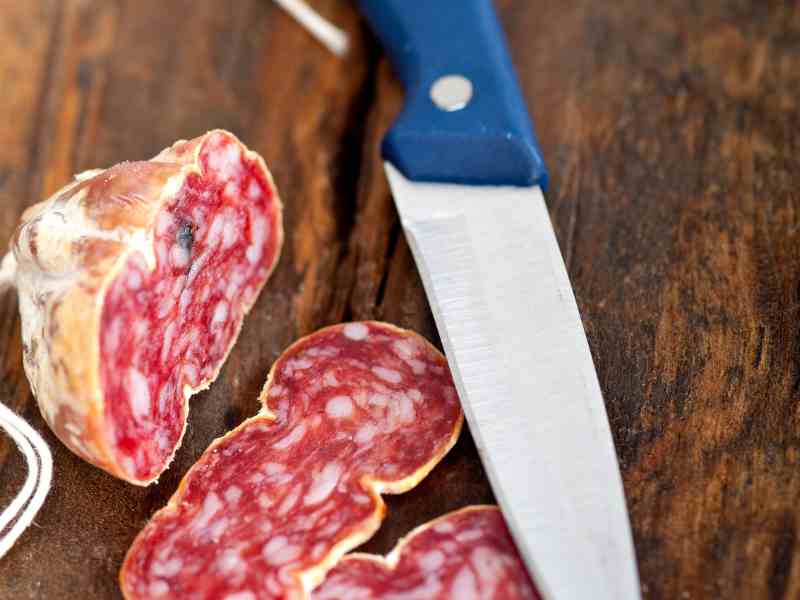
Heat is also celebrated in cured meats. Italian salame piccante, ‘nduja, schiacciata piccante, and other spiced cold cuts are infused with chili flakes or black pepper to create a fiery flavor.
In Mediterranean cuisine, these meats pair wonderfully with cheeses, breads, and olives, offering a bold punch in charcuterie boards.
Spicy Pasta Sauces
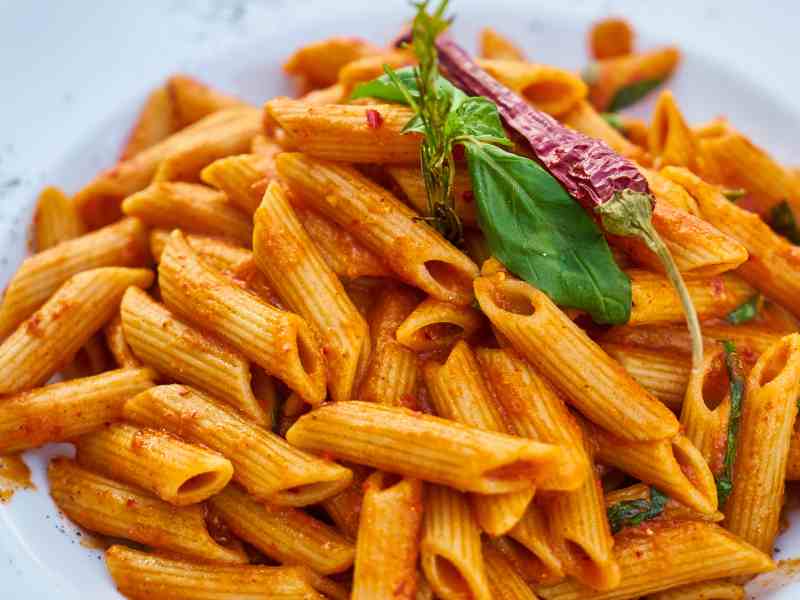
Spices are often key in pasta sauces across the Mediterranean. Peperoncino or chili flakes in tomato sauces bring depth and heat, especially in Southern Italian dishes like spaghetti aglio, olio e peperoncino, or penne all’arrabbiata.
Balancing the spice with olive oil, garlic, and fresh herbs allows the flavors to shine without overwhelming the palate.
Spicy in Middle Eastern Cuisine
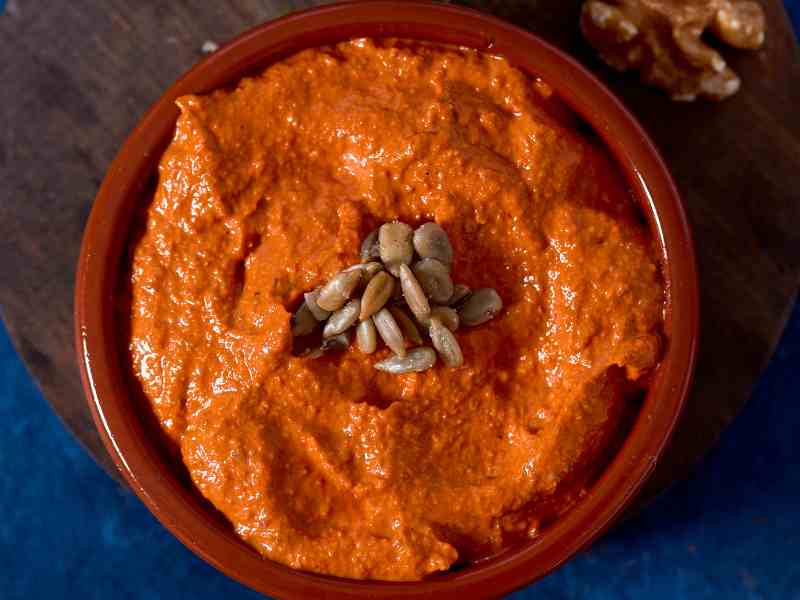
Middle Eastern cuisines embrace spice in both subtle and fiery ways. Harissa, chili pastes, and smoked peppers are added to stews, grilled meats, and vegetable dishes.
Dishes like shakshuka, muhammara, or spiced lamb kebabs use spice to enhance aroma, texture, and flavor without relying solely on heat.
Spicy Flavors in Greek Cuisine

Greek cuisine generally leans toward fresh, herb-forward flavors rather than intense heat, but there are a few exceptions.
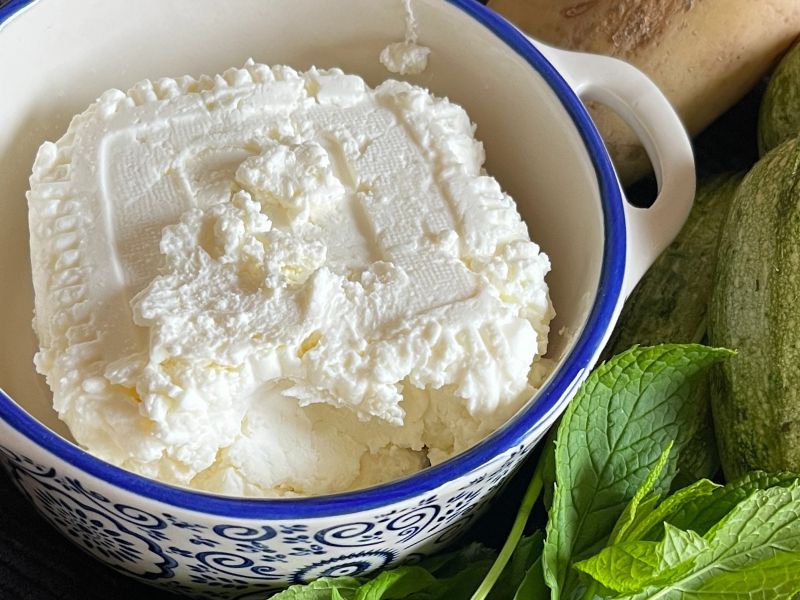
One of the most popular spicy dishes is Tyrokafteri, a creamy, tangy cheese spread made with feta, roasted red peppers, and chili flakes. It’s perfect as a meze or appetizer.
Chili flakes also appear sparingly in other dishes, adding gentle warmth to traditional recipes like fasolada (white bean soup) and other stews and soups. This restrained use of spice highlights the natural flavors of the ingredients without overpowering them, creating a subtle, balanced heat that is unique to Greek cooking.
Spicy in Sweets (Chocolate + Pepperoncino, etc.)
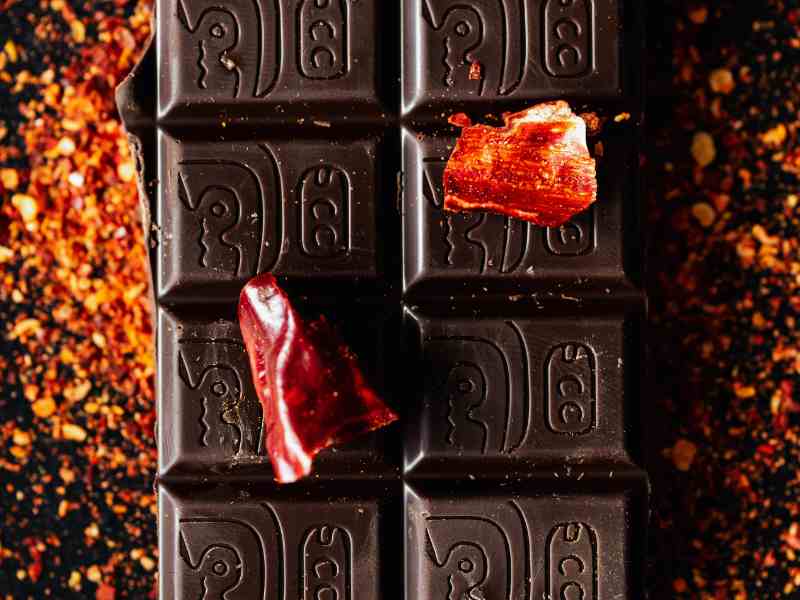
Spices don’t only belong in savory dishes. Mediterranean chefs and home cooks alike experiment with chili and pepperoncino in desserts.
A pinch of chili in chocolate cake or ganache enhances the richness, while spicy chocolate truffles or chocolate-pepper ice cream create an unexpected balance of heat and sweetness.
Spicy Ice Cream
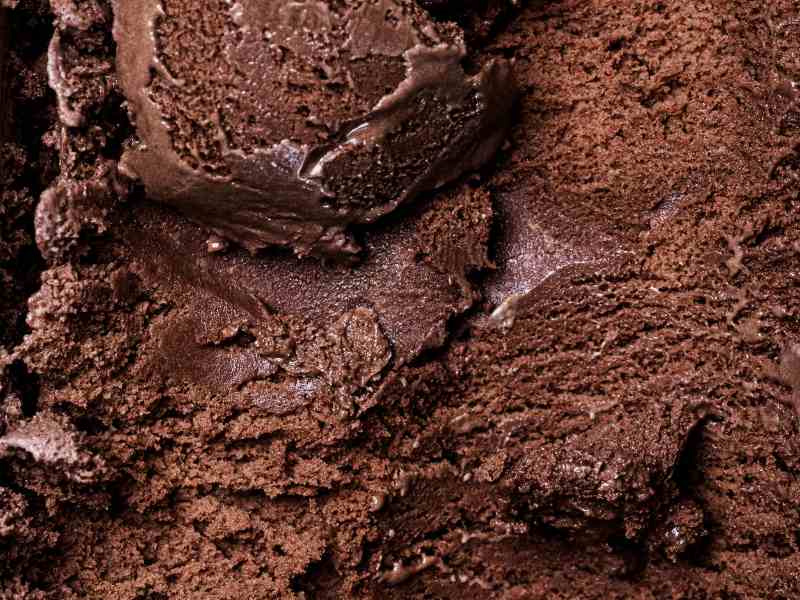
For adventurous eaters, chocolate and pepperoncino ice cream is a decadent treat. The spicy heat contrasts with creamy chocolate, offering a layered flavor experience.
It’s a modern twist inspired by Mediterranean and Latin traditions, showing how spices can transcend savory cooking and gie way to unique desserts!
Spicy ingredients bring depth and excitement to your cooking. Understanding the types of heat, their intensity, and their best culinary uses allows you to make balanced dishes. So, next time you cook, don’t shy away from heat — embrace it, taste it, and adjust it to your liking for dishes that sing with flavor!




Pin for Later!
Guide to Adding Spice to Your Meals

Gabi Ancarola
Gabi is a travel writer who has lived in Crete for over a decade. Through her blog, Crete Insider, she has helped travelers uncover local experiences. Passionate about food and Cretan cuisine, she now attends Greek cooking lessons to bring the island’s flavors straight to your kitchen!
>> Interested in learning to cook in Crete, or discovering all of the top spots to eat in Chania and around the island? Book a food tour or plan your trip with me.


One Comment
Patricia Maio
Great recipes!