

The Ultimate Guide to Eggs in Cooking & Baking
Eggs are one of the most powerful and versatile ingredients in the kitchen. They bind, lift, emulsify, enrich, and even transform textures — all from a simple shell. You will use them to bake a light sponge, whisk up a hollandaise, or prepare a custard. So let’s try to understand how eggs behave to master both cooking and baking.
Join the My Cretan Recipe Facebook group.
This guide covers everything you need to know: egg sizes, what each part does, reliable substitutes, and expert techniques.
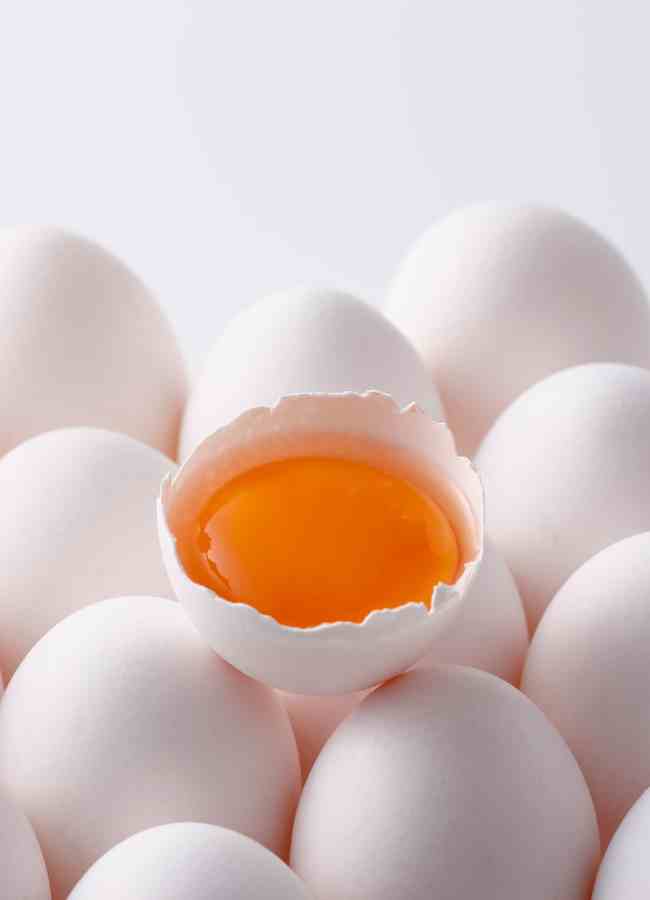
You’ll also find sections on eggs in bread and yeast doughs, regional size differences, and what to know if you’re cooking for someone with an egg allergy.
This guide breaks down everything you need to know about eggs: sizes, how different parts function, smart substitutions, and professional tips to use them with confidence.
Egg Sizes — And Why They Matter
Not all eggs are created equal — and in baking, size really matters. Most recipes are written for “large” eggs (about 50–60 g per egg without shell). If you use a smaller or larger size, it can throw off moisture, fat, and structure.
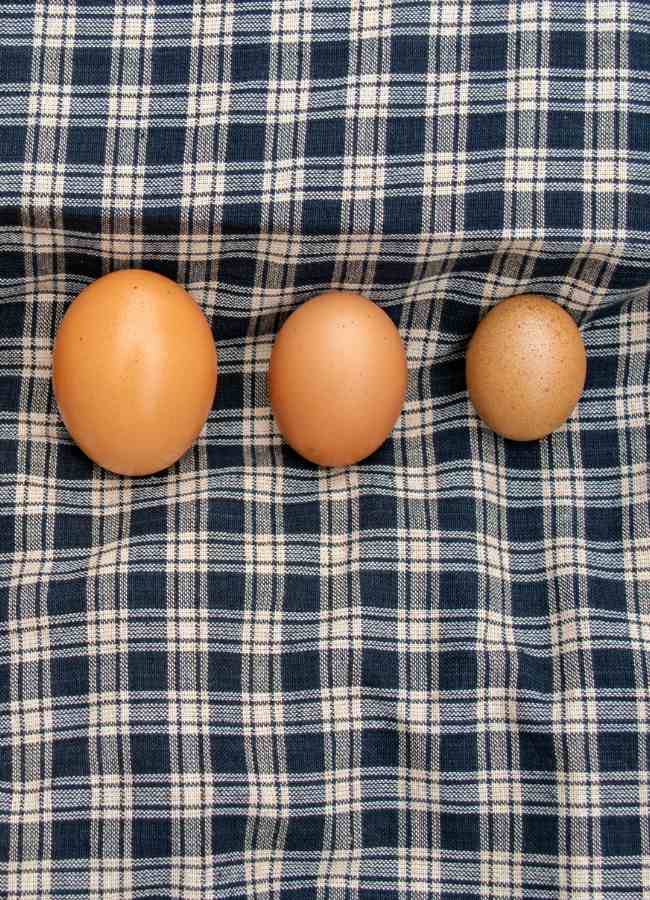
Here’s a quick reference chart:
| Size | Weight (without shell) | Typical Use |
|---|---|---|
| Small | ~40 g | Rare in baking; use 1 extra if substituting for large |
| Medium | ~45–50 g | Works for general cooking; increase slightly in baking |
| Large | ~50–60 g | Standard in most recipes |
| Extra-large / Jumbo | 65+ g | Adjust down; 1 XL ≈ 1 large + ½ yolk removed |
>> Tip: If precision matters (macarons, soufflés, delicate cakes), weigh your eggs — especially when scaling recipes.
Regional Egg Size Standards
Egg sizing varies around the world, and it’s important to adjust if following international recipes.
| Region | Size | Average Weight (with shell) |
|---|---|---|
| EU / UK | Small < 53 g | Medium 53–63 g |
| US / Canada | Small 38–43 g | Medium 44–49 g |
| Australia / NZ | Standard “Large” ≈ 58 g | Extra-Large ≈ 68 g |
Conversion tip:
If you’re baking from an American recipe in Europe, 1 US large ≈ a European medium egg. Always match the total weight of eggs when possible rather than relying on the label.
Yolks, Whites, and Whole Eggs — Different Roles
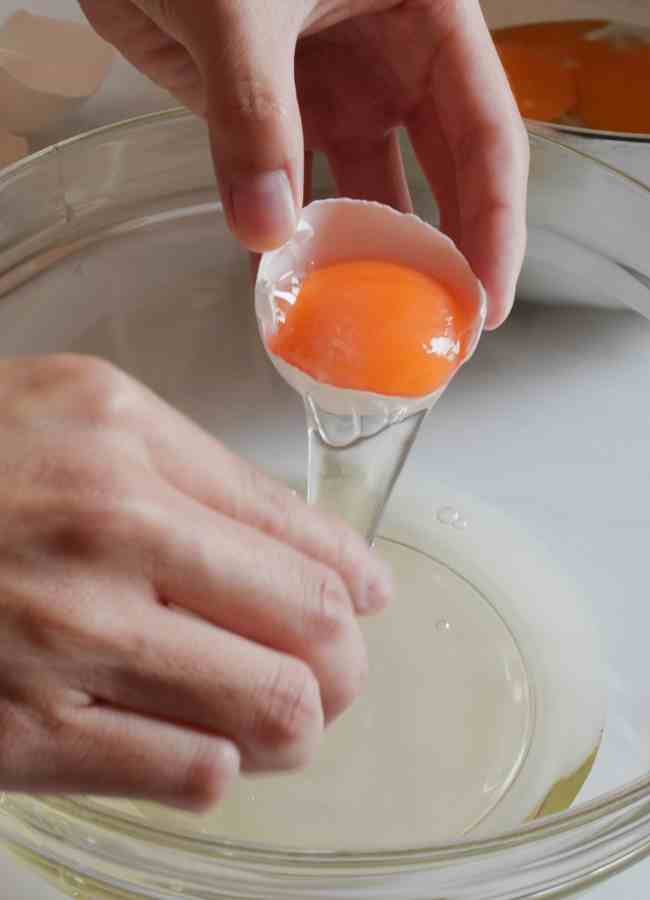
Each part of the egg contributes something unique:
- Yolks
- Rich in fat and emulsifiers (lecithin)
- Add moisture, tenderness, and color
- Key in custards, sauces (hollandaise, mayonnaise), and enriched doughs
- Whites
- Mostly protein and water
- Provide structure, aeration, and lift
- Essential in meringues, soufflés, angel food cake, pavlova
- Whole Eggs
- Balanced fat and protein
- Bind ingredients, contribute to both structure and richness
- Used in cakes, cookies, batters, pancakes, and quiches
Understanding this helps you adjust recipes — for example, swapping a whole egg for just yolks makes a custard richer; using more whites makes baked goods lighter but less tender.
Eggs in Bread & Yeast Doughs
Eggs play a crucial role in enriched doughs — think brioche, challah, tsoureki, or sweet rolls.
While many lean doughs (baguette, ciabatta) have no eggs, enriched ones rely on them for flavor, texture, and color.

Functions of eggs in yeast dough:
- Structure: Egg proteins strengthen the gluten network, improving the dough’s ability to trap gas from yeast.
- Moisture & richness: Yolks add fat, resulting in a soft, tender crumb and golden crust.
- Color: Carotenoids in yolks deepen the dough’s yellow tone and enhance browning during baking.
- Leavening: Beaten eggs can introduce extra air, helping the dough rise higher.
- Shelf life: The fats and emulsifiers in yolks help bread stay moist and fresher for longer.
Pro Tip:
If substituting or reducing eggs in enriched bread, replace each egg with 45–50 g total of a mix of liquid (milk or water) and fat (butter or oil) for similar hydration and tenderness, though flavor and rise will be slightly different.
Common Egg Substitutes
Sometimes you can’t (or don’t want to) use eggs. Here are tried-and-true substitutes, especially for baking:
| Substitute | Best For | Notes |
|---|---|---|
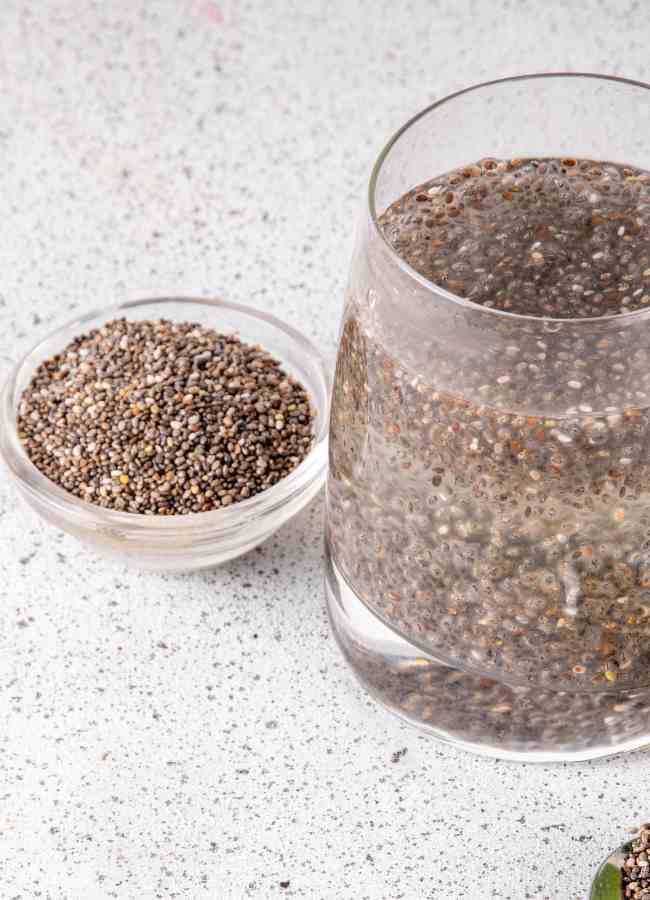
| Chia gel (1 tbsp ground chia + 3 tbsp water) | Similar to chia, a slightly earthy taste | Mild nutty flavor |
| Flaxseed gel (1 tbsp ground flax + 3 tbsp water) | Similar to chia, slightly earthy taste | Works best in hearty baked goods |
| Aquafaba (liquid from canned chickpeas) | Whipping like egg whites (meringues, macarons) | 3 tbsp ≈ 1 egg white |
| Mashed banana (¼ cup) | Moisture in cakes, quick breads | Adds banana flavor, reduces browning |
| Unsweetened applesauce (¼ cup) | Moisture in cakes, muffins | Neutral taste, slightly denser crumb |
| Commercial egg replacers | All-purpose | Formulated for structure and lift; read label carefully |
>> These substitutes mimic binding and moisture, but none replace eggs’ full range of properties — adjust fat, sugar, and leavening when experimenting.
Pro Tips: Tempering, Emulsifying, Binding, Enriching
Eggs are delicate — treat them well, and they’ll reward you with perfect texture.
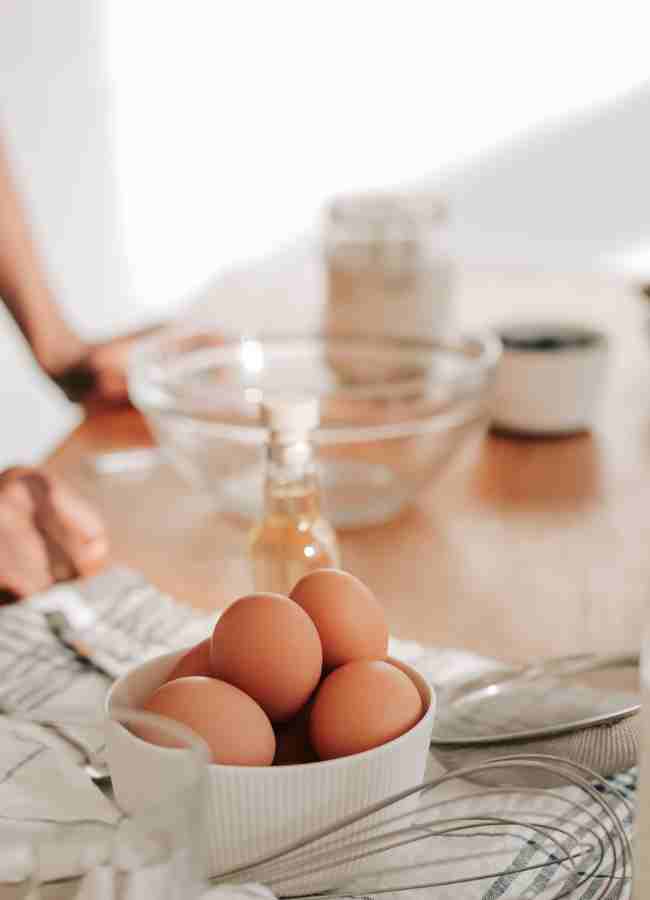
Tempering
When adding eggs to hot liquids (custards, sauces), whisk a small amount of the hot mixture into the eggs first, then gradually combine. This prevents scrambling.
Emulsifying
Yolks can blend fat and water beautifully. Slowly whisk oil or butter into yolks (as in mayonnaise or hollandaise) to create a stable sauce.
Binding
Eggs hold ingredients together in meatballs, croquettes, and batters. Whites tighten and firm as they cook, setting structure.
Enriching
Yolks make doughs richer, sauces silkier, and desserts creamier. Adding extra yolks to cakes or pastries boosts tenderness and flavor.
Always cook eggs gently: too much heat makes proteins seize and turn rubbery.
Storage, Freshness & Safety

- Refrigerate eggs to slow bacterial growth (ideally ≤ 7 °C / 45 °F).
- Use-by date: Eggs can stay fresh 3–5 weeks after purchase.
- Freshness test: Place egg in water — if it floats, it’s old; if it lies flat, it’s fresh.
- Raw or lightly cooked dishes: Use pasteurized eggs (especially for tiramisu, Caesar dressing, homemade mayo).
- Temperature: Whites begin to set at ~60 °C (140 °F), yolks at ~65 °C (149 °F).
Egg Allergy & Intolerance
Eggs are one of the most common food allergens, especially in children. Fortunately, most outgrow it by adolescence.
Egg allergy basics:
- Caused by an immune reaction to egg proteins (usually ovalbumen in whites).
- Symptoms can include hives, stomach upset, or respiratory reactions.
- Even trace amounts can cause a reaction in severe cases.
Cooking & substitution tips:
- Heat can sometimes denature allergenic proteins, so some people tolerate baked eggs but not raw or soft-cooked ones.
- Always use clearly egg-free substitutes (see list above) and check labels on packaged foods — eggs often appear in pasta, breads, and sauces.
- Commercial vegan egg replacers (like JUST Egg or Orgran) provide a more consistent texture in baking.
- For savory cooking, silken tofu (¼ cup per egg) works well as a protein-rich replacement.
Quick Troubleshooting

- Cakes too dense?
You may not have whipped enough air into the eggs.
- Custard scrambled?
The heat was too high or no tempering.
- Hollandaise split?
The fat was added too quickly, or the temperature was too hot or too cold.
- Meringue weeping?
The sugar was added too late or whipped in a humid environment.
Eggs are the architects of texture in cooking and baking. Once you understand how size, parts, and techniques affect your recipes, you can adapt with confidence to make delicate pastries or sauces.




Pin for Later!
Eggs in Cooking & Baking

Gabi Ancarola
Gabi is a travel writer who has lived in Crete for over a decade. Through her blog, Crete Insider, she has helped travelers uncover local experiences. Passionate about food and Cretan cuisine, she now attends Greek cooking lessons to bring the island’s flavors straight to your kitchen!
>> Interested in learning to cook in Crete, or discovering all of the top spots to eat in Chania and around the island? Book a food tour or plan your trip with me.


You May Also Like

How to Make Saganaki Cheese: A Show-Stopping Appetizer!

Cretan Cheese-Stuffed Peppers (Piperies Yemistes me Tyri)
